Tamil Nadu allocates Rs 15,828 crore for energy sector in 2026-27 budget
The Tamil Nadu government has allocated Rs 15,828 crore to the Energy Department in its Revised Budget Estimates 2026-27, with the power sector agenda covering renewable energy, battery storage, transmission and distribution upgrades, new generation capacity, electric vehicle infrastructure and consumer subsidies.
Finance Minister Dr. N. Marie Wilson presented the budget on August 5, 2026. The government has also projected that the state’s peak power demand will exceed 37,000 MW by 2035-36, pointing to the need for continued investment across generation, transmission and distribution infrastructure.
Solar and storage
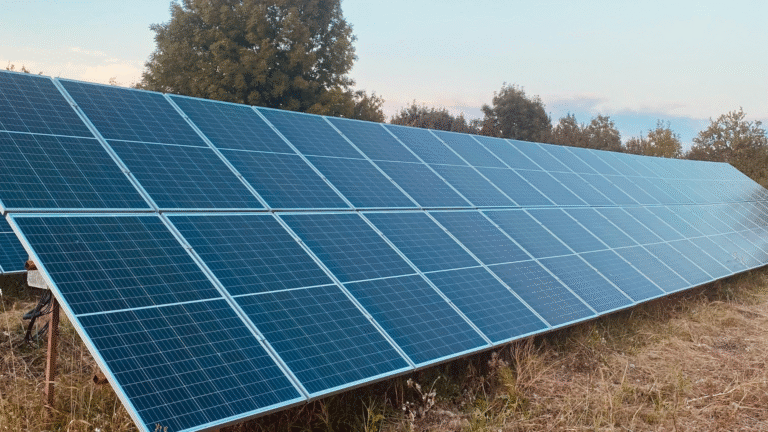
The government has introduced a new “Rooftop Solar Subsidy Scheme” that will be implemented in convergence with the central government’s Pradhan Mantri Surya Ghar Muft Bijli Yojana (PM-SGMBY).
A subsidy of up to Rs. 1 lakh will be provided to domestic consumers for installing solar panels, significantly reducing their electricity bills and supporting the transition to renewable energy. The state has allocated Rs 50 crore for the scheme in the current financial year.
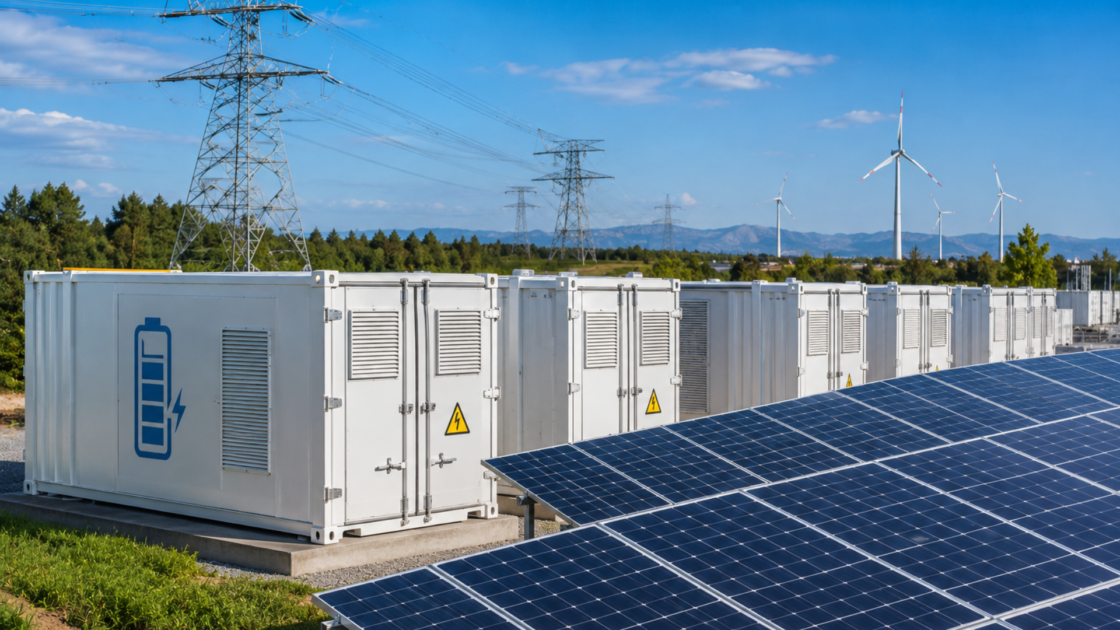
Tamil Nadu will also introduce a new Battery Energy Storage Systems (BESS) Promotion Policy aimed at attracting private investment in energy storage.
“This Government will issue a New BESS Promotion Policy to facilitate private investment in this sector and transform Tamil Nadu into India’s ‘BESS Hub’,” the budget document stated.
The policy is intended to support the deployment of storage capacity needed to integrate variable renewable energy generation and manage peak power demand.
Transmission
The budget includes several major transmission projects to expand power evacuation and transfer capacity.
A 765 kV Coimbatore-Ariyalur transmission line, estimated to cost Rs 4,000 crore, will be implemented through the Public-Private Partnership (PPP) mode. The Rs 1,640 crore Virudhunagar-Coimbatore 765 kV transmission project will be expedited, while a Rs 1,390 crore project will strengthen ultra-high voltage capacity in Chennai and surrounding areas.
The Phase-II Green Energy Corridor has been allocated Rs 1,187 crore to support renewable energy evacuation from the southern districts. Phase-III of the corridor, estimated at Rs 6,884 crore, is designed to handle 11,760 MW of renewable energy. The state will seek financial assistance for the project.
These transmission investments are intended to support the evacuation of increasing renewable generation, particularly from Tamil Nadu’s southern districts, which have significant wind and solar potential.
Generation
The government has reaffirmed plans to expedite two thermal power projects. Udangudi Stage-I will add 1,600 MW, while the Ennore SEZ Thermal Power Project will add 1,040 MW. Together, the projects will provide 2,640 MW of additional generation capacity.
The ETPS Expansion Project, estimated at approximately Rs 8,000 crore, is being developed through the PPP mode.
The Rs 5,050 crore Vellimalai Pumped Storage Hydroelectric Project will also be expedited to provide flexible generation capacity.
Consumer support
The government has allocated Rs 1,545 crore to increase the free electricity entitlement for domestic consumers from 100 units to 200 units for households with bi-monthly consumption of up to 500 units.
Total electricity subsidy for domestic households and agricultural farmers stands at Rs 18,860 crore in the Revised Budget Estimates.
The government will introduce a smart meter installation system for all consumers in Chennai city and for 50 lakh industrial and commercial consumers across Tamil Nadu.
Distribution and EVs
Tamil Nadu will construct 178 new substations at an investment of Rs 1,543 crore to strengthen the distribution network. The government will also replace 40,000 old transformers in phases at a cost of Rs 2,000 crore.
For electric mobility, the government plans to establish 20,000 public electric vehicle (EV) charging stations over the next five years through the PPP mode. Rs 50 crore has been allocated for this programme in the current financial year.
A separate subsidy will be provided to Resident Welfare Associations (RWAs) for installing EV charging stations in residential complexes, with Rs 5 crore allocated for the purpose.
Finances
The budget includes an allocation of Rs 5,000 crore as compensation to the Tamil Nadu Generation and Distribution Corporation (TANGEDCO) to address its financial stress.
The state’s outstanding liability is estimated at Rs 10.98 lakh crore for 2026-27. Against this fiscal backdrop, the government plans to seek central financial assistance for large infrastructure projects, including the Phase-III Green Energy Corridor.
The energy sector measures combine renewable energy expansion and storage with large-scale transmission investments, additional thermal generation, distribution upgrades and expanded consumer support as Tamil Nadu prepares for higher electricity demand over the coming decade.
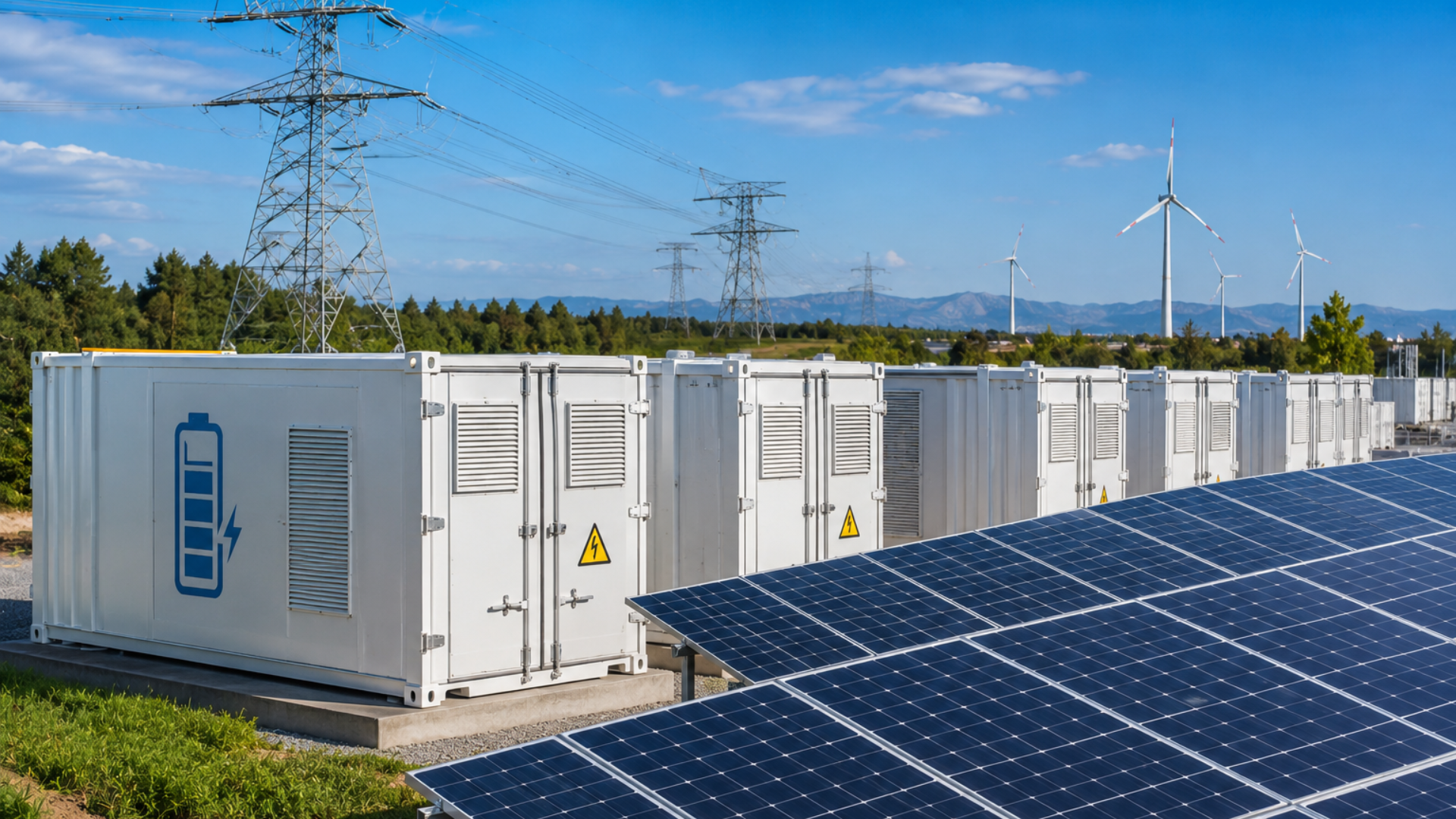
The featured photograph is for representation only.