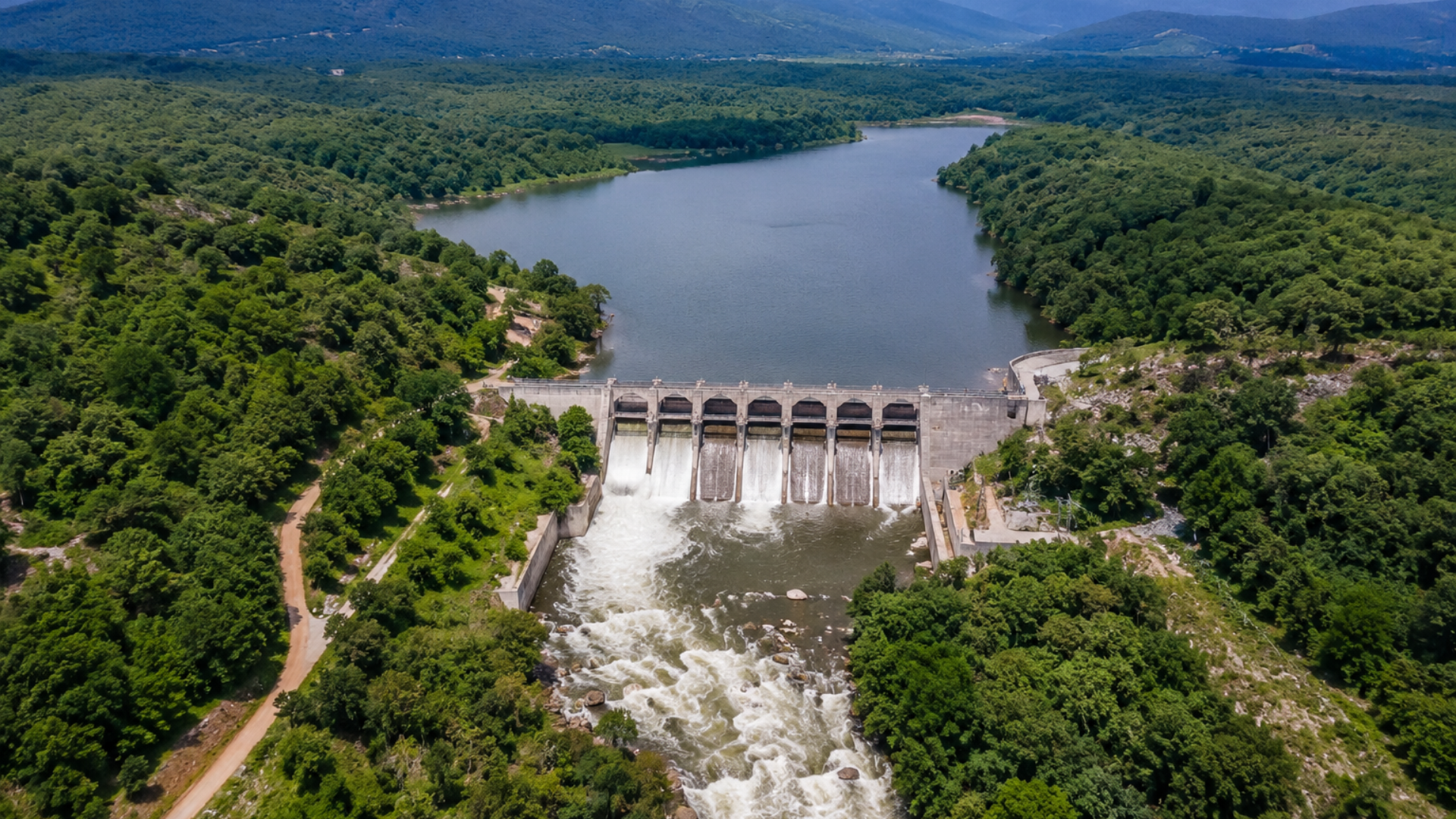
Rivers and waterfalls in Jharkhand may soon generate electricity for rural homes
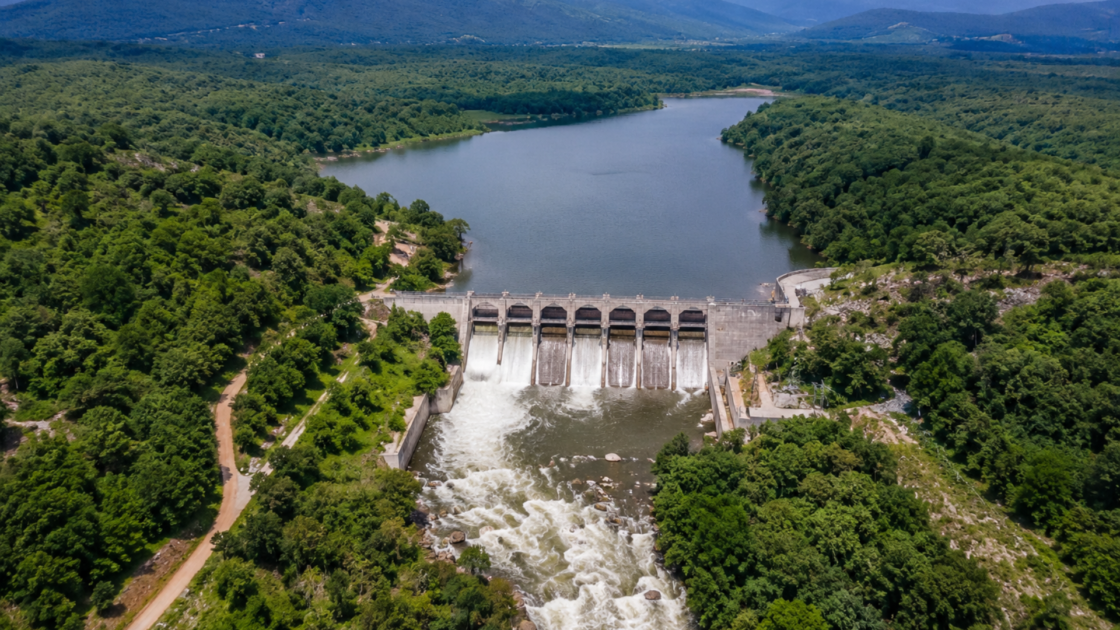
Jharkhand has taken a step towards expanding clean energy generation and creating new economic opportunities in rural areas, with the Jharkhand Renewable Energy Development Agency (JREDA) initiating the process for development of 16 small, mini and micro hydro power projects across the state.
The agency has invited developers to conduct detailed surveys and prepare Detailed Project Reports (DPRs) for potential hydro power projects located across Ranchi, Simdega, Gumla, Latehar and West Singhbhum districts.
Potential benefits for local communities
If developed, the projects could bring investment, employment and infrastructure development to remote areas located near rivers and waterfalls. Construction activities are expected to create local jobs, while long-term operation and maintenance could generate sustained employment opportunities.
Many of the identified sites are located in districts with significant rural and tribal populations, where infrastructure and industrial development remain limited.
Hydro projects planned on rivers and waterfalls
The proposed projects include sites on the Karo, Sankh, Koel, Burha, Kanchi, Raru, Tajana, Subarnarekha and Brahmi rivers.
JREDA has also identified waterfall-based locations including Dasham Fall, Jonha, Sita Fall and Hundru, some of Jharkhand’s best-known natural attractions.
The projects are expected to harness local water resources for electricity generation without relying on fossil fuels.
Supporting Jharkhand’s energy needs
Small hydro projects can provide a reliable source of renewable energy while reducing dependence on conventional power generation. They can also help strengthen electricity supply in regions experiencing rising demand.
The initiative aligns with India’s broader push to increase renewable energy capacity and improve energy security through locally available resources.
PPP model proposed
The projects are proposed to be developed through a Public-Private Partnership (PPP) model on a Build-Own-Operate-Transfer (BOOT) basis.
As part of the first stage, developers will conduct technical and commercial assessments before participating in a subsequent bidding process for project development.
The featured photograph is for representation only.