CEA to mandate grid-forming inverters for new BESS projects
The Central Electricity Authority (CEA) has decided to mandate Grid Forming Inverters (GFM) for all new Battery Energy Storage Systems (BESS) above 50 MW and for 25% of the capacity of all new renewable energy (RE) plants, following concerns over grid stability amid rising renewable energy integration.
The decision was taken during the recent meeting of the National Committee on Transmission (NCT). The move follows a major grid disturbance in the Khavda Renewable Energy (RE) complex on May 13, 2026, which GRID-INDIA described as the largest single-event generation loss in the history of the Indian grid.
Khavda disturbance
According to GRID-INDIA’s presentation before the NCT, the disturbance at 14:09 hrs caused a complete outage of three pooling stations — KPS-1, KPS-2 and KPS-3 — with a combined installed capacity of 15.9 GW, including 14.8 GW of Variable Renewable Energy (VRE) and 1.1 GW of BESS.
The event led to tripping of around 17 Extra High Voltage (EHV) transmission lines, comprising eight 765 kV lines and nine 400 kV lines, within 16 seconds.
The resulting renewable energy generation loss was estimated at around 9,000 MW. Grid frequency fell by 0.56 Hz from 49.953 Hz to 49.398 Hz, triggering automatic load shedding of around 6,000 MW under the Under Frequency Load Shedding (UFLS) mechanism.
GRID-INDIA informed the committee that low system strength, measured through Short Circuit Ratio (SCR), in the Khavda, Rajasthan and Pachora RE complexes was contributing to recurring low-frequency oscillations. The organisation also pointed to improper tuning of RE plant controllers as a contributing factor.
New technical requirements
Following deliberations, the NCT agreed that the CEA’s Grid Management (GM) Division would issue an Office Memorandum (OM) mandating deployment of GFM inverters in all new BESS projects above 50 MW.
The committee also decided that all new renewable energy projects would be required to deploy GFM inverters for at least 25% of their installed capacity. In addition, the CEA will expedite amendments to the Connectivity Standards to formally incorporate these technical requirements.
The measures are intended to strengthen grid stability in high renewable energy penetration regions.
Shift in inverter approach
The decision represents a shift toward grid-forming inverter technology for large-scale renewable energy and storage integration. Unlike conventional grid-following inverters, GFM inverters can independently establish voltage and frequency references and actively support grid stability during disturbances.
The issue has gained importance as India expands renewable energy capacity and reduces dependence on conventional synchronous thermal generation.
The NCT also referred to ongoing plans for large-scale renewable energy and storage integration, including approved connectivity of 12 GW at the Bikaner-V pooling station comprising 6 GW solar and 6 GW non-solar capacity.
According to the committee, wider deployment of GFM inverters is expected to improve SCR conditions, reduce low-frequency oscillations and lower the risk of large-scale generation loss events similar to the Khavda disturbance.
The OM will be issued by the CEA in coordination with the Ministry of Power and will apply to all new transmission-connected BESS and renewable energy projects.
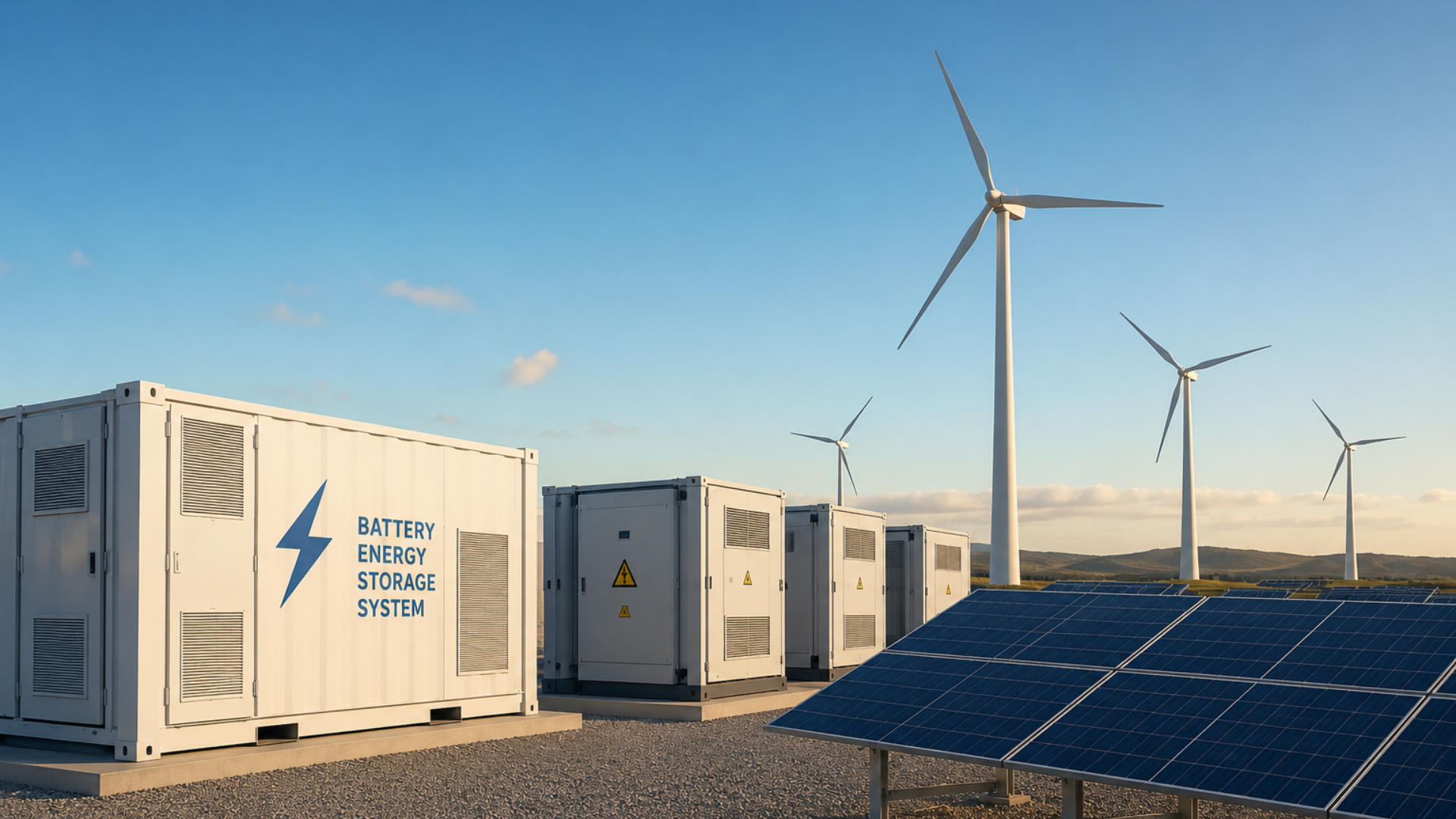
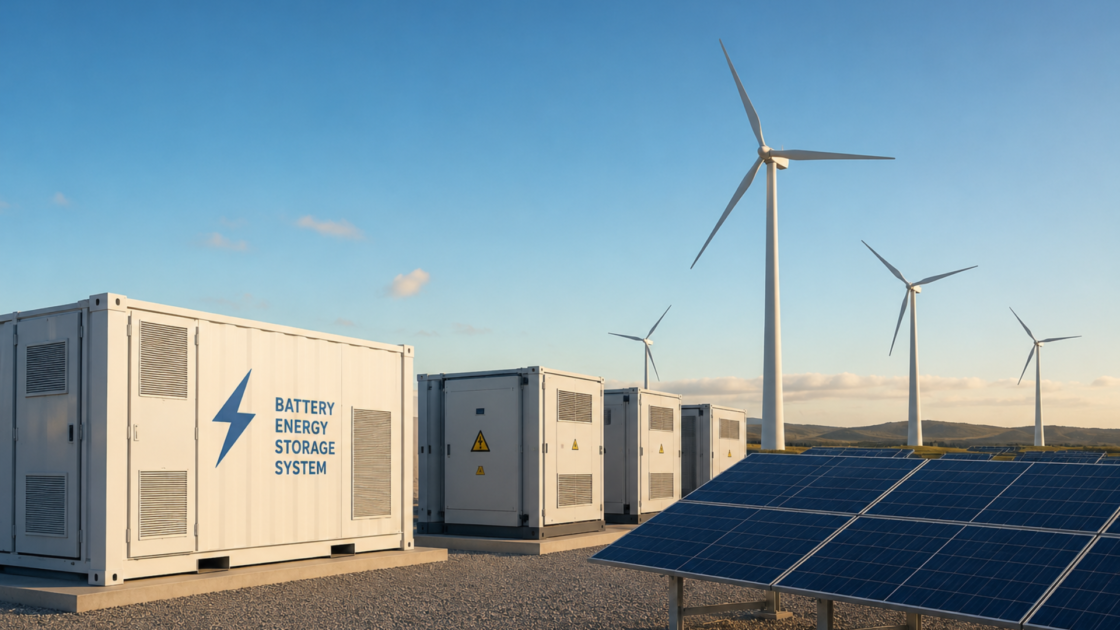
The featured photograph is for representation only.