Fujiyama Power approves 2 GWh battery capacity expansion in UP, MP
Fujiyama Power Systems Limited has approved two battery manufacturing capacity expansion projects, comprising a new 1 GWh tubular battery facility in Hathras, Uttar Pradesh, and an additional 1 GWh of lithium battery capacity at its Ratlam plant in Madhya Pradesh.
The company’s Board of Directors approved both initiatives on August 24, 2026. The Hathras facility is expected to replace capacity lost at the company’s Bawal facility following a fire incident in May, while the Ratlam expansion will increase Fujiyama’s lithium battery manufacturing capacity as it prepares for higher demand in the energy storage market.
Tubular batteries
Fujiyama has approved an investment of approximately Rs 20 crore to establish the 1 GWh tubular battery manufacturing facility at Hathras. The facility is expected to be commissioned and begin commercial operations by Q3 FY 2026-27.
The new plant will replace the company’s erstwhile 1.3 GWh tubular battery capacity at Bawal, which was damaged in a fire on May 6, 2026. The Hathras facility will restore Fujiyama’s manufacturing capacity in the tubular battery segment, which is primarily used for industrial and backup power applications.
Lithium expansion
The company has also approved an additional 1 GWh of lithium battery manufacturing capacity at its Ratlam plant. This is in addition to the previously announced 2 GWh expansion at the same facility.
The additional capacity is expected to be commissioned and begin commercial operations by Q2 FY 2026-27. The estimated investment is approximately Rs 5 crore and will be funded through internal accruals.
Once the previously announced 2 GWh expansion and the newly approved 1 GWh addition are completed, the lithium battery manufacturing capacity at Ratlam is expected to reach approximately 3.5 GWh.
Fujiyama currently has 0.5 GWh of operational lithium battery manufacturing capacity at its Greater Noida facility, where capacity utilisation is approximately 70%.
The lithium expansion is intended to strengthen the company’s manufacturing capabilities for anticipated demand in the energy storage segment as India’s battery energy storage system (BESS) market expands. The tubular battery project, meanwhile, restores capacity lost in the Bawal fire and maintains Fujiyama’s presence in the conventional battery segment.
Financial performance
Fujiyama reported revenue from operations of Rs 13,457 million for the quarter ended June 30, 2026, up 125.3% year-on-year. The company attributed the growth to higher business scale and an expanded distribution network.
Earnings before interest, taxes, depreciation and amortisation (EBITDA) increased 140.6% year-on-year to Rs 2,548 million. The EBITDA margin improved to 18.9% from 17.7% in the corresponding quarter last year. Profit after tax (PAT), however, declined 14.5% to Rs 578 million.
During the first quarter, Fujiyama commissioned its 2,000 MW solar panel manufacturing facility at Ratlam, Madhya Pradesh. The company subsequently commissioned a 2,000 MW power electronics manufacturing facility in August 2026.
Board decisions
The Board also approved an amendment to the Articles of Association to include Joint Managing Directors as rotational directors. It also re-appointed Mr. Sunil Kumar as a director liable to retire by rotation.
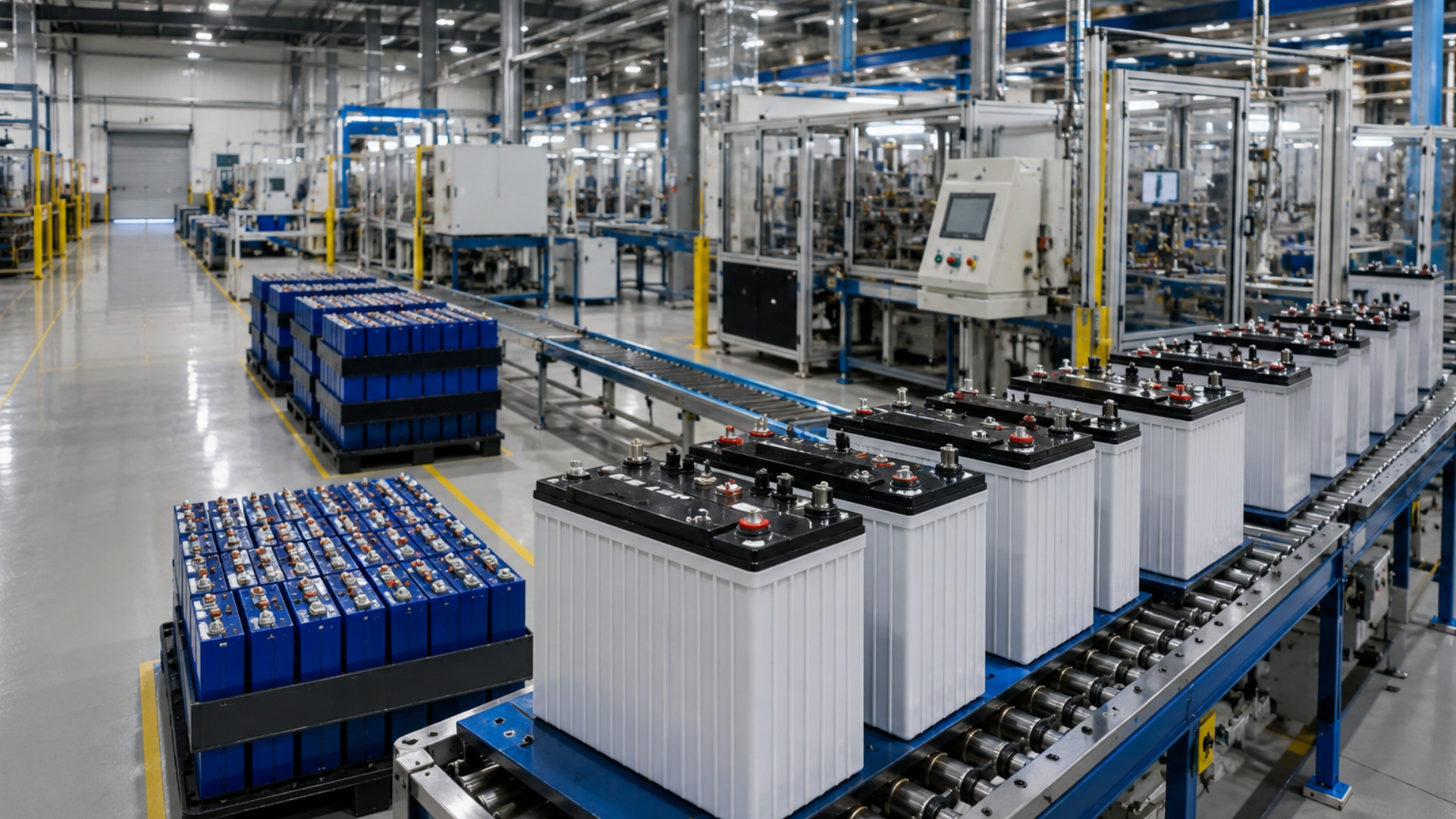
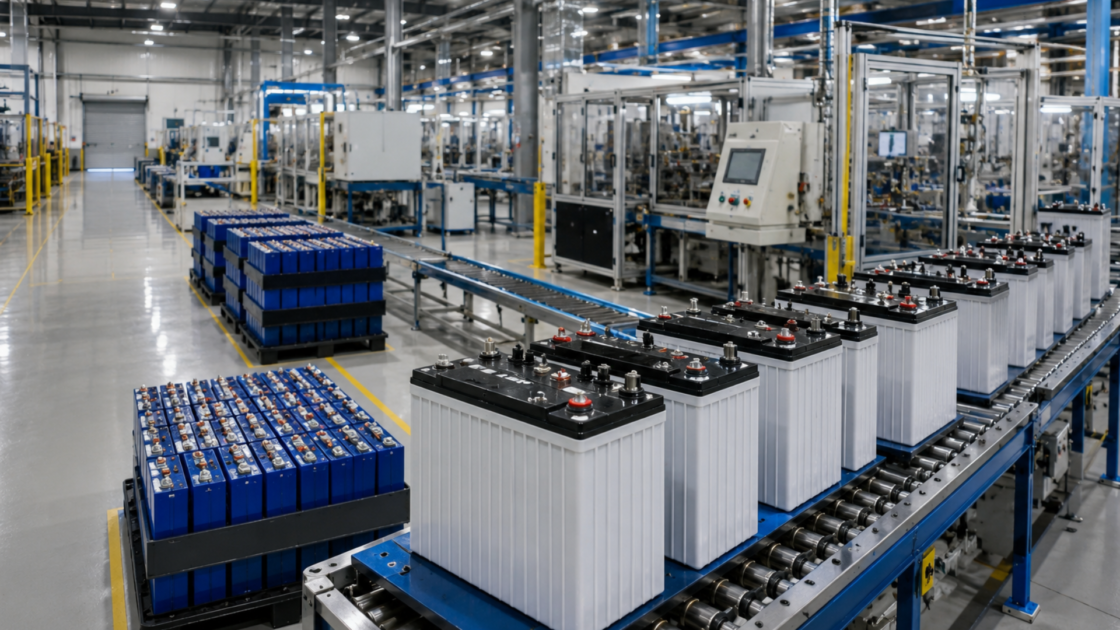
The featured photograph is for representation only.