NLDC issues revised procedure for temporary GNA through NOAR
The National Load Despatch Centre (NLDC) has issued a revised comprehensive procedure for granting Temporary General Network Access (T-GNA) to the inter-State Transmission System (ISTS) through the National Open Access Registry (NOAR). The updated procedure came into effect on June 24, 2026, and sets out the framework for processing short-term interstate electricity transactions.
The procedure requires all T-GNA-related activities, including registration, application processing, standing clearance, payments and transmission corridor monitoring, to be carried out through the NOAR digital platform.
Key changes
Under the revised procedure, Host Regional Load Despatch Centres (RLDCs) must process interstate T-GNA applications within seven working days, while State Load Despatch Centres (SLDCs) are required to recommend intrastate applications within five working days.
Standing clearance applications must be processed within seven working days for new grid-connected entities and within three working days for existing entities. If the concerned authority does not communicate its decision within the prescribed timeline, the applicant will receive deemed standing clearance.
Entities seeking T-GNA must obtain a standing clearance valid for up to 11 months.
The procedure also introduces a non-refundable processing fee of Rs 5,000 per application. Transmission charges must be paid within three working days of the grant of T-GNA, while delayed payments will attract interest at 0.04% per day.
Renewable energy and compliance
The revised framework includes specific provisions for renewable energy projects. Energy Storage Systems (BESS/PSP) are eligible to apply for renewable energy category standing clearance, while hybrid projects with storage can obtain standing clearances for individual generation sources up to their installed capacity. The procedure also provides for transmission charge waivers applicable to eligible wind, solar, hydro and battery energy storage projects.
The guidelines introduce measures for handling payment and compliance defaults. Defaulting entities may be blocked from submitting new applications, while entities exceeding their approved standing clearance quantum may face a seven-day debarment from trading. The procedure also links compliance with the Electricity (Late Payment Surcharge) Rules, 2022, and tax deduction at source (TDS) requirements.
For bilateral transactions, applications can be submitted from D+3 onwards for transactions ranging from one-time block to 11 months. For collective transactions, power exchanges will process applications through NOAR, with settlement scheduled on D+1.
The revised procedure also specifies documentation requirements, including PAN, TAN, GST registration, connectivity details, metering information, commercial operation date (COD) certificates for generating stations and trading licences, where applicable. It further defines the responsibilities of NLDC, RLDCs and SLDCs in processing applications, issuing standing clearances and managing transaction schedules.
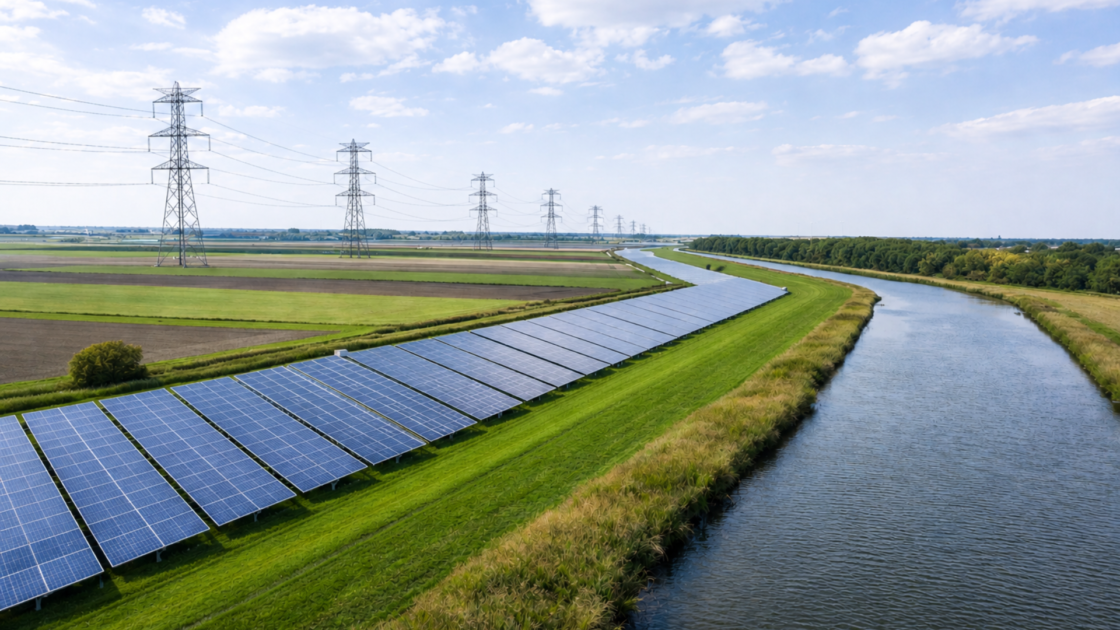
The featured photograph is for representation only.