MHI mandates localisation of EV truck electronics under PM E-DRIVE
The Ministry of Heavy Industries (MHI) has mandated domestic manufacturing of key electronic systems used in electric trucks, including battery management systems (BMS), DC-DC converters, and vehicle control units (VCUs), from September 1, 2026. Compliance with these localisation norms is required for manufacturers to qualify for incentives under the government’s e-truck subsidy programme.
The directive, issued on April 29, updates the phased manufacturing programme (PMP) for N2 and N3 category electric trucks. It tightens localisation requirements and phases out reliance on imported control systems. The government has earmarked Rs 500 crore for electric trucks under the broader Rs 10,900-crore PM E-DRIVE scheme.
The revised PMP shifts focus from assembly to component-level manufacturing. BMS production is now required to include mounting electronic components such as semiconductors and connectors onto printed circuit boards (PCBs) within India. Similar requirements apply to DC-DC converters and VCUs, covering wiring, connector integration, enclosure assembly, and software or firmware loading. For DC-DC converters, the transition moves from integrating imported PCB assemblies to complete domestic assembly, including component placement.
The scheme applies to electric trucks with gross vehicle weight between 3.5 tonnes and 55 tonnes. Incentives are set at Rs 5,000 per kWh of battery capacity, capped at 10% of the ex-factory price. N2 category trucks are eligible for incentives up to Rs 2.7 lakh, while vehicles in the 7.5–12 tonne range may receive up to Rs 3.6 lakh. Eligibility is linked to the scrapping of older vehicles.
The localisation norms are expected to support domestic component manufacturers and electronics manufacturing services (EMS) providers, as production shifts from imported assemblies to in-country manufacturing. Global suppliers may need to establish local facilities or partnerships to retain market access. Short-term cost pressures are anticipated as domestic capacity scales.
The notification sets August 31, 2026, as the deadline for import-based BMS use under the incentive scheme. Vehicles using imported systems beyond this date will not qualify for subsidies.
According to NITI Aayog, trucks and buses account for about 4% of India’s vehicle fleet but contribute nearly half of total emissions. Despite policy support, adoption of electric trucks remains limited, with only 6,220 electric trucks sold out of 834,578 total truck sales in 2024.
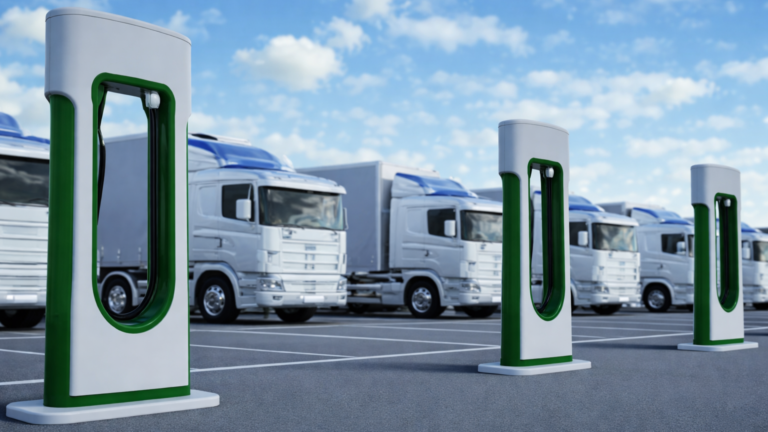
Charging infrastructure remains a constraint. The International Council on Clean Transportation (ICCT) estimates that India will need about 9 GW of charging capacity to support 1.3 lakh electric trucks by 2030. Demand is expected to be concentrated in Maharashtra, Uttar Pradesh, Rajasthan, Gujarat, and Madhya Pradesh. The ICCT has flagged gaps in grid planning and recommended time-bound interconnection processes, prioritised approvals, and designated e-truck-ready corridors and freight zones.
Electric trucks continue to face cost and financing barriers. Purchase costs remain two to three times higher than diesel equivalents, while financing rates are higher due to perceived risks. NITI Aayog has suggested measures, including leasing models, blended finance, and concessional funding structures to address these constraints.
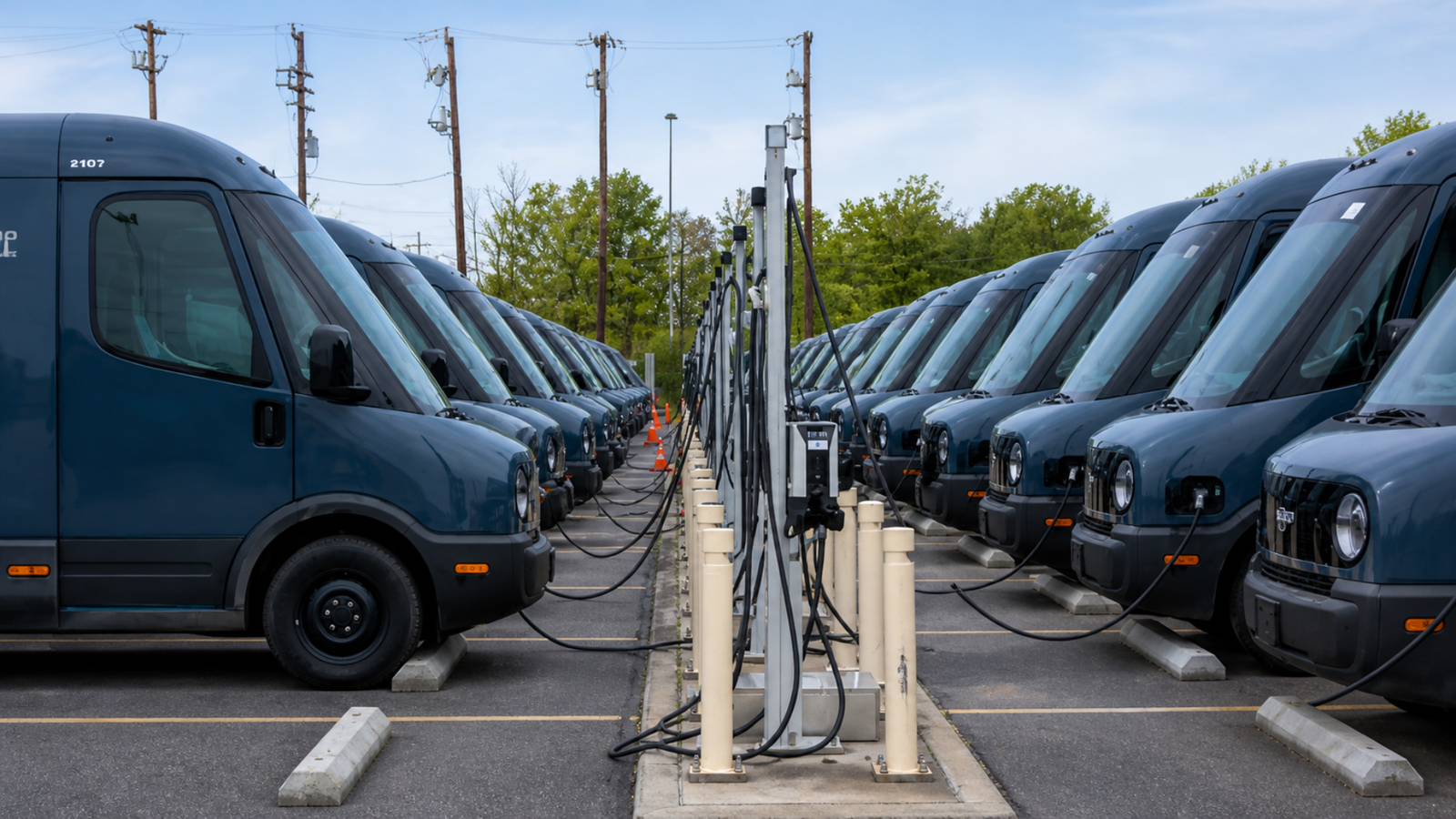
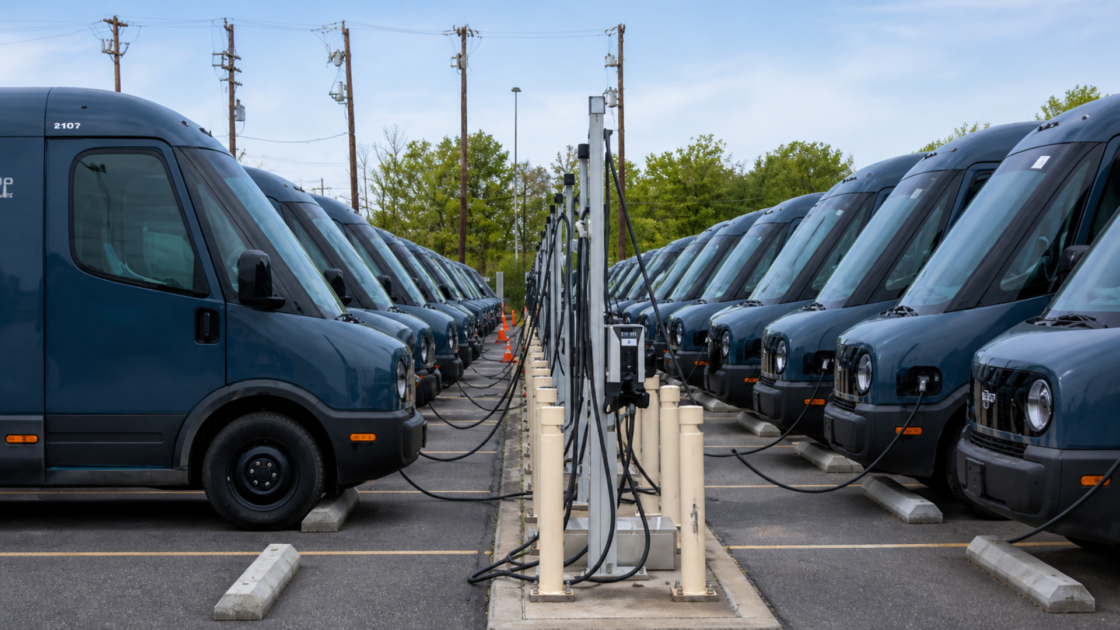
The featured photograph is for representation only.