
CEA issues guidelines to reduce geological risks in hydropower projects
The Central Electricity Authority (CEA), with the approval of the Ministry of Power, has issued guidelines titled “New Methodologies for Adoption during Investigation, Tender and Construction Stage of Hydel Projects for Minimizing Geological Uncertainty in Hydro Tunnels.” The guidelines aim to address recurring geological challenges that have contributed to time and cost overruns in hydropower projects, particularly in the Himalayan region.
According to the CEA, tunnel construction in hydropower projects has frequently been affected by geological surprises, including groundwater ingress, shear zones, rock bursting, squeezing ground conditions and high seismicity. The guidelines note that these challenges have resulted in contractual disputes and reduced stakeholder confidence. Citing global data, the CEA stated that around 90% of such projects exceed their budgets, with tunnelling costs averaging a 50% overrun.
Multi-stage approach
The guidelines prescribe a multi-stage framework covering the investigation, tender and construction phases of hydropower projects.
During the investigation stage, developers are required to use advanced remote sensing technologies, including LIDAR, Synthetic Aperture Radar (SAR), hyperspectral scanners and Aerial Electromagnetic (AEM) surveys. For tunnels with a vertical cover exceeding 300 metres, the guidelines recommend one drill hole per kilometre, along with directional core drilling and active-passive seismic tomography to improve subsurface mapping.
At the tender and contract stage, developers are required to prepare a Geotechnical Baseline Report (GBR) as part of the bid documents. The report will include anticipated rockmass quality and hydrogeological conditions. The guidelines also recommend incorporating probabilistic risk modelling, risk-sharing mechanisms and compensation schedules for Extraordinary Geological (EGO) conditions into project contracts.
During construction, the CEA recommends real-time ground investigation techniques such as Bore Tunneling Electrical Ahead Monitoring (BEAM), Ground Penetrating Radar (GPR) and Measurement While Drilling (MWD). The guidelines also encourage the use of site-specific rockmass classification systems, including NATM, QTBm and GSI, along with safety measures such as stress-relief blasting and link tunnels for emergency evacuation.
Budget recommendations
The CEA has proposed a new sub-head, “Advanced Geo-technical Investigations for Water Conductor System,” under the ‘A – Preliminary’ works category to strengthen geological investigations. The recommended budget allocation ranges from 0.32% of the capital cost for projects of 5,000 MW or more to up to 3% of ‘I-works’ for projects of 200 MW or less. For long water conductor systems, the guidelines also recommend an additional allocation of approximately Rs 3 crore per kilometre.
The guidelines have been circulated to major hydropower developers, including NHPC, NTPC, SJVN, THDC and private sector companies such as Adani Green Energy, JSW Energy and Tata Power. The CEA stated that the adoption of these methodologies is expected to reduce geological uncertainties, improve project execution and enhance predictability of project costs and timelines.
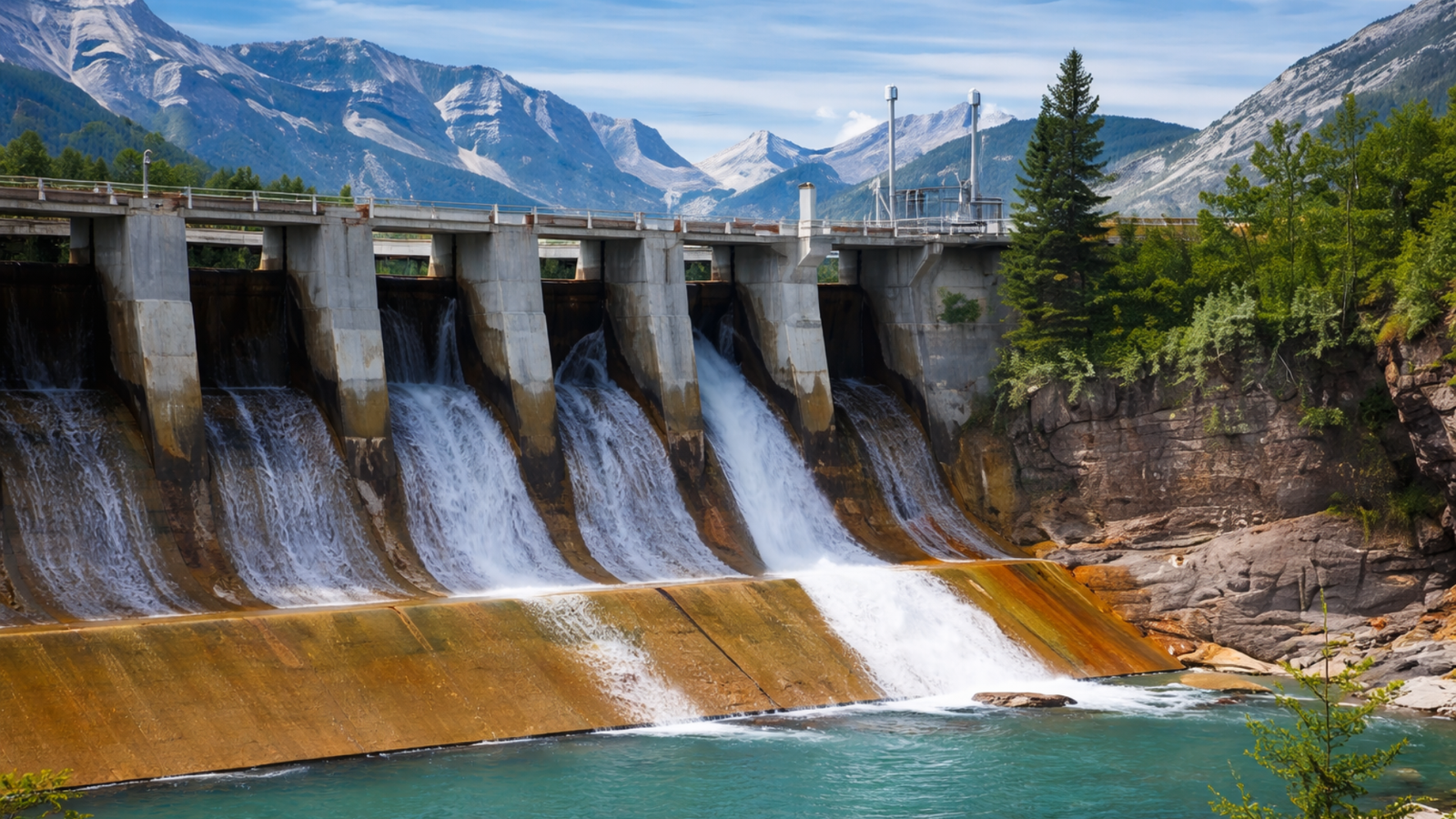
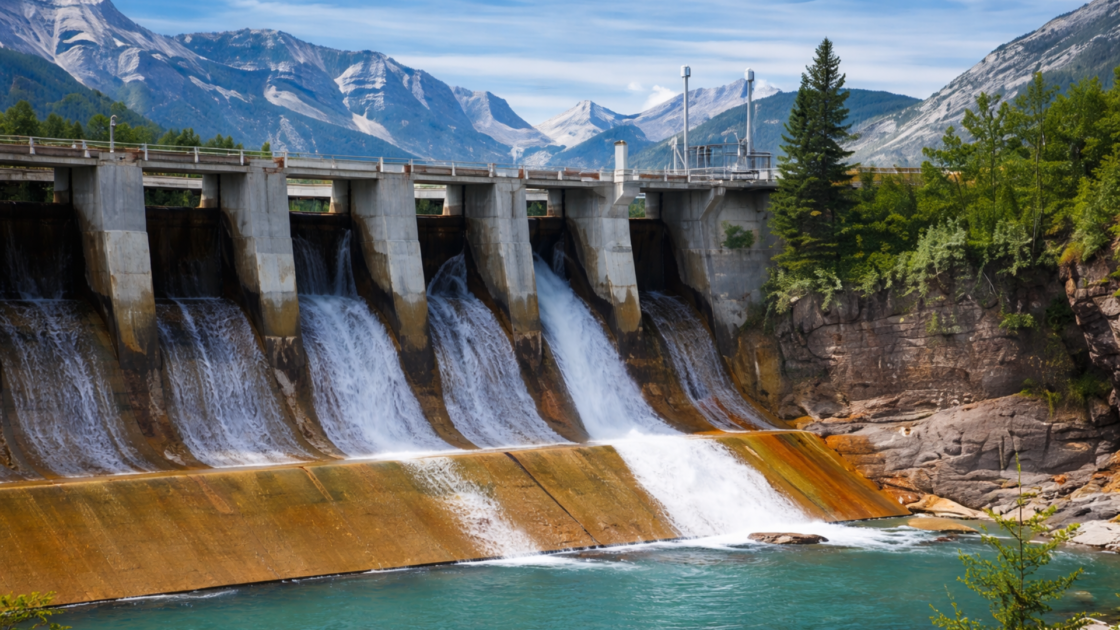
The featured photograph is for representation only.

