BERC clears 300 MW hybrid RE procurement with BESS
The Bihar Electricity Regulatory Commission (BERC) has approved the long-term procurement of 300 MW of Wind-Solar Hybrid Power integrated with a Battery Energy Storage System (BESS), citing the project’s role in addressing Bihar’s growing Renewable Purchase Obligation (RPO) deficit and meeting peak demand requirements. The procurement will be undertaken through the Solar Energy Corporation of India (SECI) under the ISTS Hybrid Tranche-IX Scheme for a period of 25 years.
The approval was granted through an order dated May 4, 2026 in Case No. 16/2026 by the Bench comprising Chairman Amir Subhani and Member (Legal) P.S. Yadav. The petition had been filed by Bihar State Power Holding Company Limited (BSPHCL) on behalf of North Bihar Power Distribution Company Limited (NBPDCL) and South Bihar Power Distribution Company Limited (SBPDCL).
The project has been awarded to M/s ACME Solar Holdings Limited and comprises 300 MW of solar capacity, 100 MW of wind capacity, and a 300 MWh BESS. The discovered tariff for the project is Rs 3.25 per kWh. After including SECI’s trading margin of Rs 0.07 per unit, the delivered tariff works out to Rs 3.32 per kWh.
BERC observed that the tariff discovered under the scheme was the lowest among SECI’s hybrid power procurements and lower than the Average Power Purchase Cost of renewable energy approved for FY 2026-27. The Commission therefore considered the procurement cost-effective for the state distribution companies.
A central feature of the approved project is the provision of “Assured Peak Power Supply” for four hours during non-solar peak demand periods through the integrated battery storage component. The order specifies that the Hybrid Power Developer would be liable to pay a penalty at 1.5 times the Power Purchase Agreement (PPA) tariff in case of any shortfall in achieving the minimum annual peak-hour availability commitment of 80%.
The Commission linked the procurement directly to Bihar’s anticipated RPO gap. According to the order, the state’s distribution licensees are expected to face a renewable energy shortfall of 5,645 million units (MU) by FY 2026-27, which could increase to 7,936 MU by FY 2029-30.
“Procurement of power from the proposed Wind-Solar Hybrid Projects, coupled with BESS…will not only cater to the real-time power requirements but will also ensure assured supply during peak demand hours of the DISCOMs, while simultaneously contributing towards fulfillment of the RPO requirement,” the Commission stated.
The order also recorded that the project configuration was revised to incorporate the BESS component following directions issued by the Ministry of New and Renewable Energy (MNRE) to better align renewable energy projects with the operational requirements of distribution companies.
The PPA and Power Sale Agreement (PSA) are yet to be executed. The project is expected to be commissioned within 24 months from the effective date of the PPA. The Commission noted that commissioning within this timeline would enable the project to avail a 25% waiver on Inter-State Transmission System (ISTS) charges for the solar component and a 100% waiver for the co-located BESS.
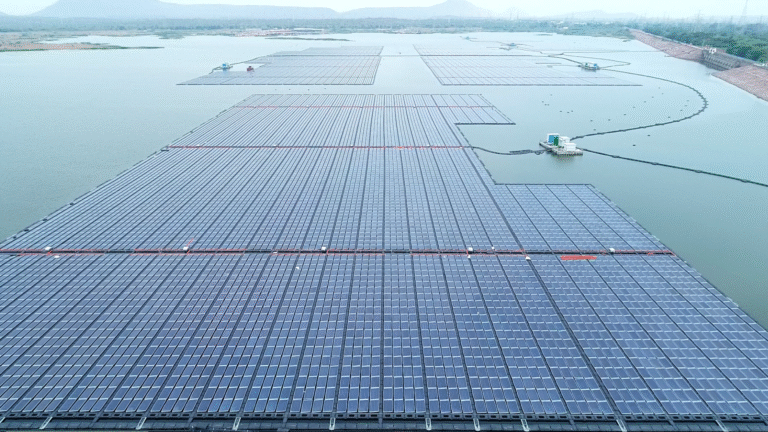
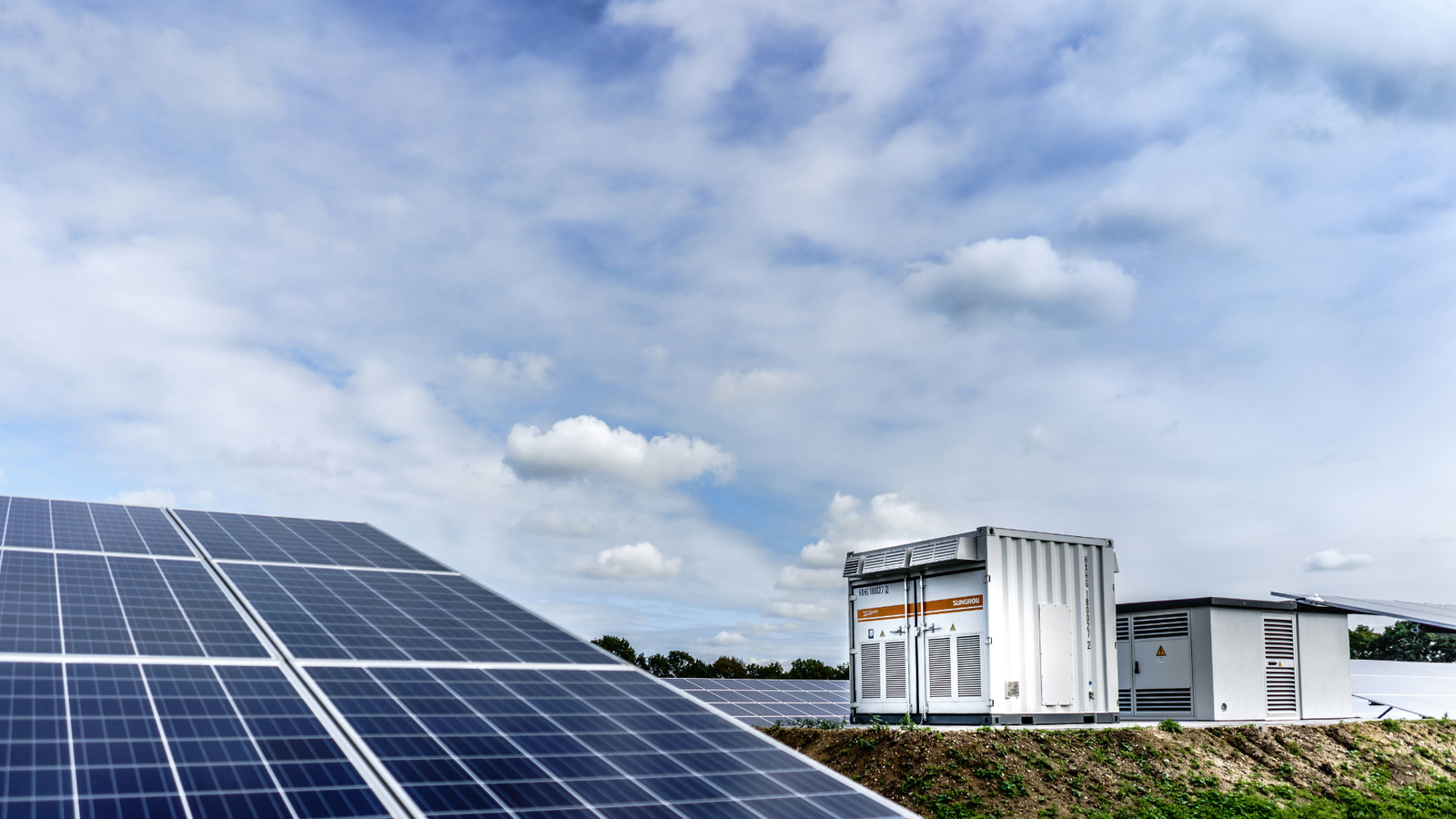
The featured photograph is for representation only.