GERC clears GUVNL’s 500 MW FDRE procurement bid
The Gujarat Electricity Regulatory Commission (GERC) has approved Gujarat Urja Vikas Nigam Limited’s (GUVNL) petition for procurement of 500 MW of Firm and Dispatchable Renewable Energy (FDRE) integrated with Energy Storage Systems (ESS), along with a greenshoe option for an additional 500 MW. The order, issued on May 8, 2026 in Petition No. 2098 of 2022, concludes a prolonged proceeding shaped by evolving central government guidelines governing dispatchable renewable energy procurement.
The procurement aims to secure renewable energy that can supply power in accordance with a predefined demand profile, converting variable renewable generation into firm and schedulable supply through mandatory storage integration.
The proceeding initially commenced in 2022 when GUVNL sought approval for deviations from prevailing Solar, Wind, and Hybrid power bidding guidelines to enable procurement of firm renewable power coupled with ESS. During the pendency of the matter, the Ministry of Power notified dedicated guidelines for procurement of FDRE projects with ESS on June 9, 2023, which were subsequently amended, most recently on February 12, 2025. GUVNL thereafter revised its petition and bid framework to align with the updated central guidelines.
The Bench comprising Chairman Pankaj Joshi and Member Jatin N. Thakkar approved multiple procurement-specific deviations sought by GUVNL, holding that the proposed structure maintained transparency while safeguarding consumer interests.
One of the key approved deviations relates to the performance metric for project evaluation and compliance. GERC permitted GUVNL to replace the conventional annual Capacity Utilization Factor (CUF) requirement with a time-block-wise Demand Fulfilment Ratio (DFR). Under the approved framework, developers will be required to maintain a minimum monthly DFR of 90% during peak hours and 80% during off-peak hours. The Commission accepted GUVNL’s position that the revised structure better aligns renewable procurement with actual grid demand requirements.
GERC also approved a restricted “Change in Law” framework under which automatic tariff pass-through would largely be limited to new taxes, duties, or surcharges directly affecting final generation or sale of electricity. The Commission agreed with GUVNL that limiting broader tariff reopening provisions would improve tariff certainty for consumers and reduce the scope for future disputes.
Another approved deviation grants GUVNL the first right to procure excess power generated beyond the contracted capacity at the prevailing Power Purchase Agreement (PPA) tariff. Only after offering such surplus power to GUVNL would developers be permitted to sell it to third parties or on power exchanges.
The Commission further permitted deviation from the Ministry of Power guideline restricting allocation of more than 50% of the bid capacity to a single bidder. Under the approved structure, a single developer may now be awarded up to 100% of the tendered capacity. GUVNL had argued that this flexibility could facilitate discovery of a more competitive uniform tariff for the entire procurement quantum.
GERC also upheld GUVNL’s proposed delivery point structure, specifying that power delivery would occur at the Gujarat Energy Transmission Corporation Limited (GETCO) grid periphery. As a result, all transmission charges and losses up to the delivery point would remain the responsibility of the generator, providing cost visibility to the procurer.
The Commission examined objections and submissions filed by stakeholders including the Wind Independent Power Producers Association, Apraava Energy, Greenko Energies, and ReNew Power. While concerns had been raised regarding provisions in the earlier tender structure, the order records that no fresh objections were submitted against the revised bid documents aligned with the 2023 FDRE guidelines. GERC accepted GUVNL’s clarifications on issues including project location flexibility and the revised Change in Law provisions.
The final bid framework permits developers to establish projects anywhere in India. Following the approval, GUVNL has been authorised to amend its bid documents and proceed with the competitive bidding process. The tariff discovered through the bidding process will subsequently be placed before GERC for adoption under Section 63 of the Electricity Act, 2003.
The Commission noted that the procurement would support Gujarat’s Renewable Purchase Obligation (RPO) trajectory, with the state’s RPO requirement projected to rise to 43.33% by FY 2029-30.
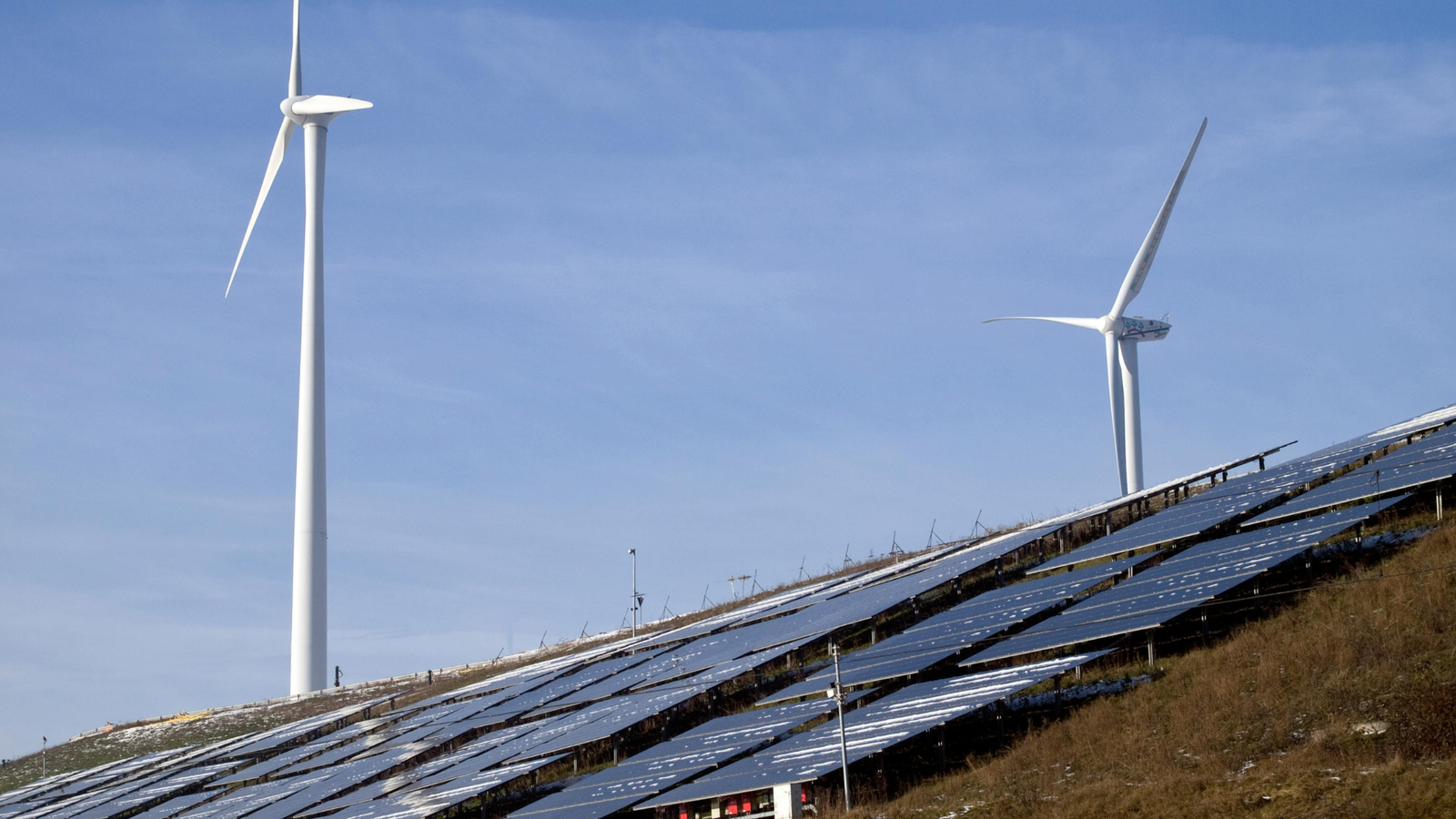
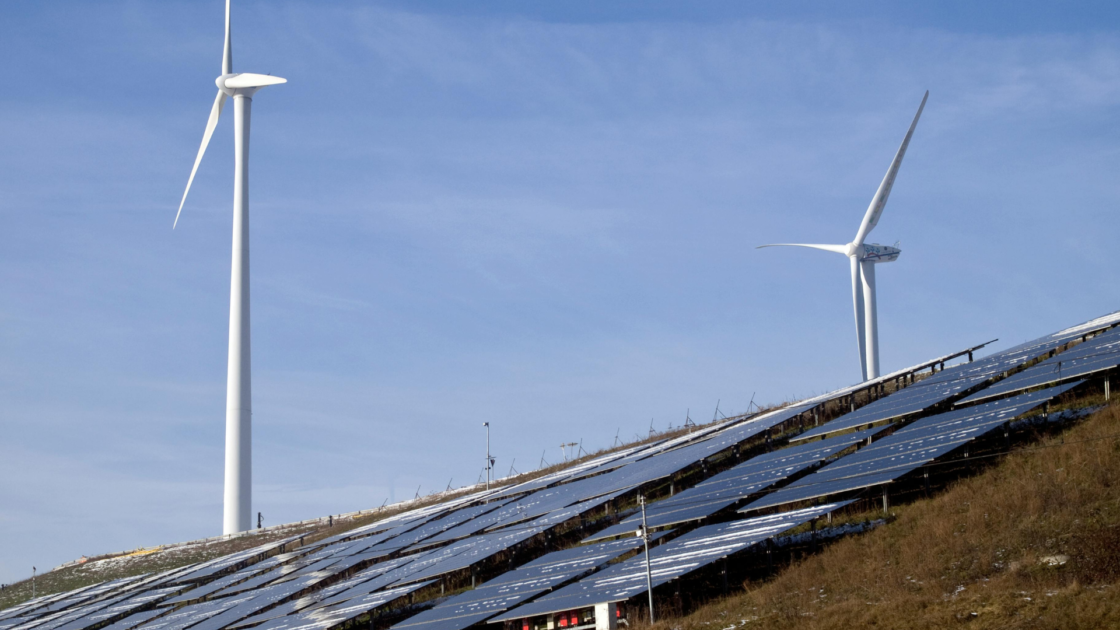
The featured photograph is for representation only.