India commissions nuclear-grade sodium cell to support Fast Breeder Reactor programme
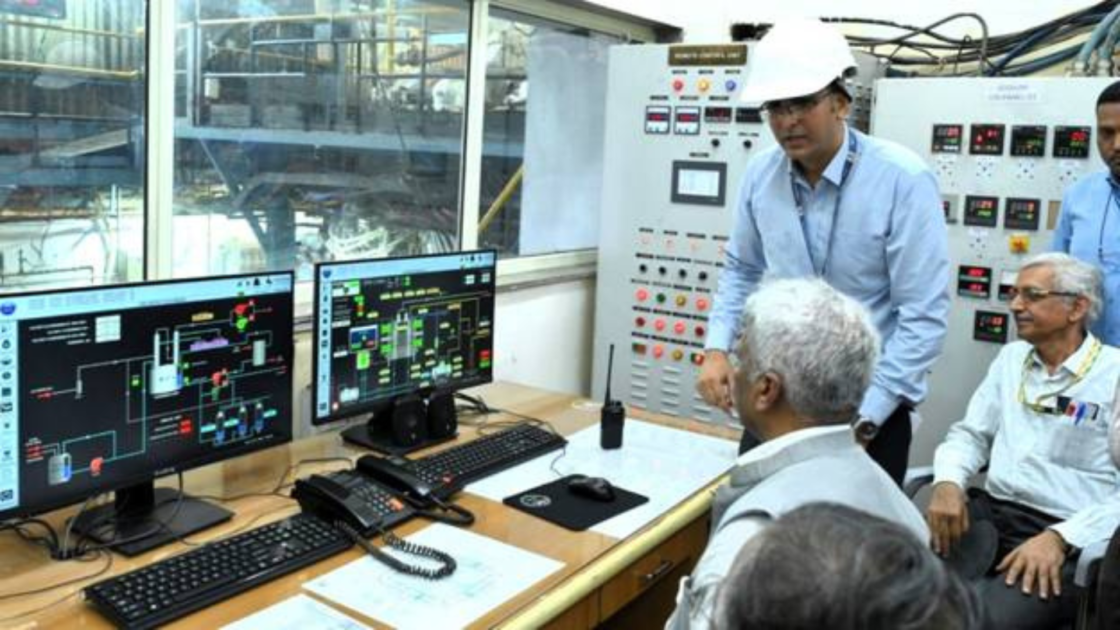
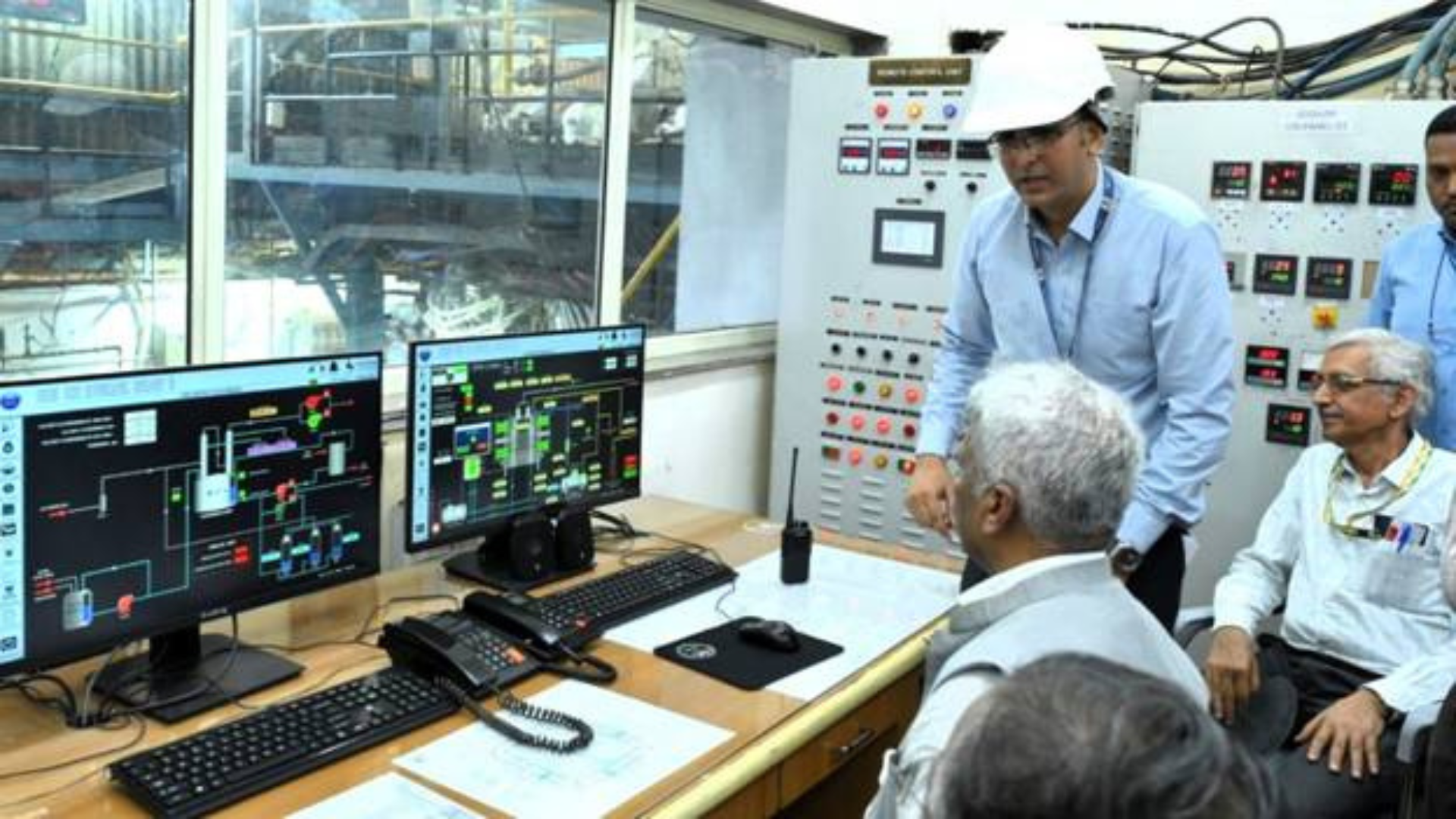
The Department of Atomic Energy (DAE) has inaugurated the Versatile Deuterated Compounds Production Plant (VDPP) and commissioned a 24 kA Prototype Sodium Cell at the Heavy Water Board Facilities (HWBF) in Vadodara, Gujarat.
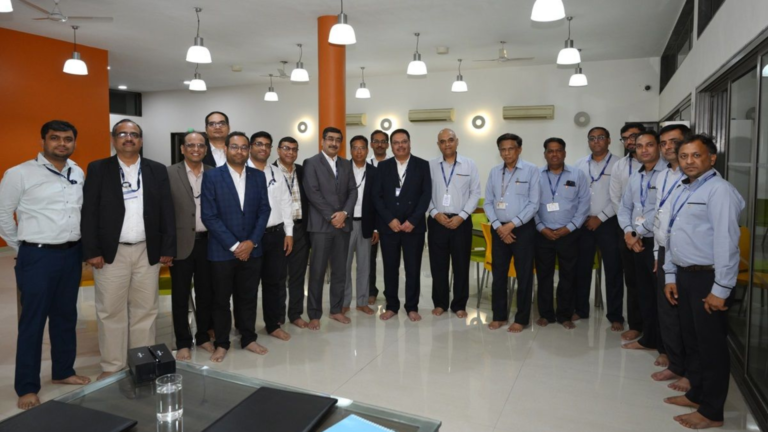
The facilities were inaugurated and commissioned by Dr. Ajit Kumar Mohanty, Secretary, Department of Atomic Energy and Chairman, Atomic Energy Commission, on June 21, 2026.
Deuterated compounds facility
The VDPP has been established to strengthen India’s indigenous capability in the production of specialised deuterated compounds used in advanced scientific research, strategic applications and emerging technology programmes.
According to DAE, the facility will support domestic requirements through the production of high-purity deuterated solvents and reduce dependence on external sources for these specialised materials.
Nuclear-grade sodium production
The 24 kA Prototype Sodium Cell has been commissioned as part of efforts to develop indigenous industrial-scale production of nuclear-grade sodium.
Nuclear-grade sodium is a key material for India’s Fast Breeder Reactor Programme and plays an important role in the second stage of the country’s three-stage nuclear power programme.
DAE stated that the facility is the result of indigenous research, engineering and technology development aimed at achieving self-reliance in strategic materials.
Support for nuclear programme
According to Dr. Mohanty, the two facilities strengthen India’s capabilities in critical materials and technologies while supporting advanced scientific research and long-term objectives of the nuclear energy programme.
He said the development of indigenous nuclear-grade sodium production capability is important for the future expansion of the Fast Breeder Reactor Programme and aligns with the national objective of technological self-reliance.
Strategic capability development
DAE said the two milestones contribute to strengthening indigenous technological capabilities in strategic sectors and support ongoing efforts to develop critical materials required for scientific, industrial and nuclear applications.
Photo credit: PIB