Why solar-plus-storage is key to India’s energy future
India’s energy sector is going through a major transformation, driven by the powerful combination of solar power and battery storage. As of May 2026, India’s installed solar capacity has reached approximately 157 GW. This represents about 28% of the country’s total power generation capacity and more than 68% of its total renewable energy capacity. With a record 44.61 GW of capacity added during FY25-26, India has firmly established itself as the third-largest solar market in the world.
The dispatchability challenge
However, as solar installations rise, a new challenge has emerged. Solar generation peaks during the middle of the day, while electricity consumption continues to peak into the late evening due to growing cooling requirements. This timing mismatch has become one of the central issues for the national grid.
Between May and December 2025, India lost an estimated 2.3 terawatt-hours of solar energy because mid-day generation exceeded what could be usefully consumed. At the same time, evening hours face a projected capacity deficit of 15 to 20 gigawatts when solar output drops but demand remains high. As a result, the core energy problem has shifted from a general shortage of power to a lack of dispatchable energy at the right time.
The progress of grid-scale battery storage
Battery Energy Storage Systems (BESS) address this issue by storing excess mid-day solar energy and releasing it during peak evening hours. And the pace of adoption has been remarkable. In the first quarter of 2026 alone, India added 4.6 GWh of battery storage capacity—a 941% increase compared to the previous quarter.
● Current Status: By March 2026, cumulative installed capacity reached 5.9 GWh.
● Regional Leaders: Rajasthan leads the country with a 42% share of this capacity, followed by Gujarat at 25%.
● Future Projections: The Central Electricity Authority estimates that India’s overall storage needs will grow from around 82 GWh in 2026-27 to more than 411 GWh by 2031-32. This expansion is vital to support the national goal of achieving 500 GW of non-fossil fuel capacity by 2030.
Policy framework and large-scale execution
Clear policy measures are driving this growth. The Union Budget 2026 allocated Rs 32,914.67 crore to the Ministry of New and Renewable Energy (a 30% increase over last year), while viability gap funding for BESS projects increased from Rs 100 crore to Rs 1,000 crore. Additionally, basic customs duty exemptions on capital goods used in lithium-ion battery manufacturing have been extended to include BESS projects, lowering setup costs.
These policies are already translating into major real-world projects:
● Public utilities have recently floated bids for 17,500 MWh of BESS plants across states like Rajasthan, Gujarat, and Uttar Pradesh.
● Tenders have been issued for a 300 MW/1,200 MWh storage facility for a large solar plant in Rajasthan.
● The commercial rollout of India’s first Firm and Dispatchable Renewable Energy (FDRE) facility in early 2026 proves that solar-plus-storage can deliver stable, round-the-clock power similar to traditional thermal plants.
The vital role of distributed solar + storage
While large-scale grid storage is essential, distributed solar-plus-storage in the Residential and Commercial & Industrial (C&I) sectors is equally critical.
● For C&I Consumers: Combining solar with on-site batteries protects businesses from power interruptions, reduces expensive peak-load grid charges, and lowers overall operational expenses.
● For Residential Consumers: Small-scale energy storage allows households to fully utilize rooftop solar installations (such as those under the PM Surya Ghar initiative). It provides reliable power backup and reduces reliance on the grid during peak hours.
By generating and storing energy right where it is consumed, distributed storage minimizes transmission losses, alleviates stress on the central grid, and democratizes clean energy access. At Fujiyama Power Systems, with an operational capacity of 3.5 GW+ for solar panels and solar inverters and 545 MWh for batteries, and an additional 2 GWh of storage battery manufacturing capacity underway, we believe we are well positioned to contribute meaningfully to this national goal and to grid integrity.
Economic outlook and challenges
The financial case for solar-plus-storage continues to strengthen. Turnkey battery solution costs decreased by 40% in 2024 and further by 31% in 2025. Concurrently, domestic manufacturing capacity for solar modules expanded to 200 GW as of May 2026.
The Draft National Electricity Policy 2026 recognizes that energy storage, grid planning, and flexibility are crucial for the next phase of renewable energy growth. Real challenges remain — grid integration, transmission network expansion, land acquisition, and project financing all need continued attention. But the direction is clear: solar-plus-storage is set to become a defining feature of India’s power architecture in the coming decades.
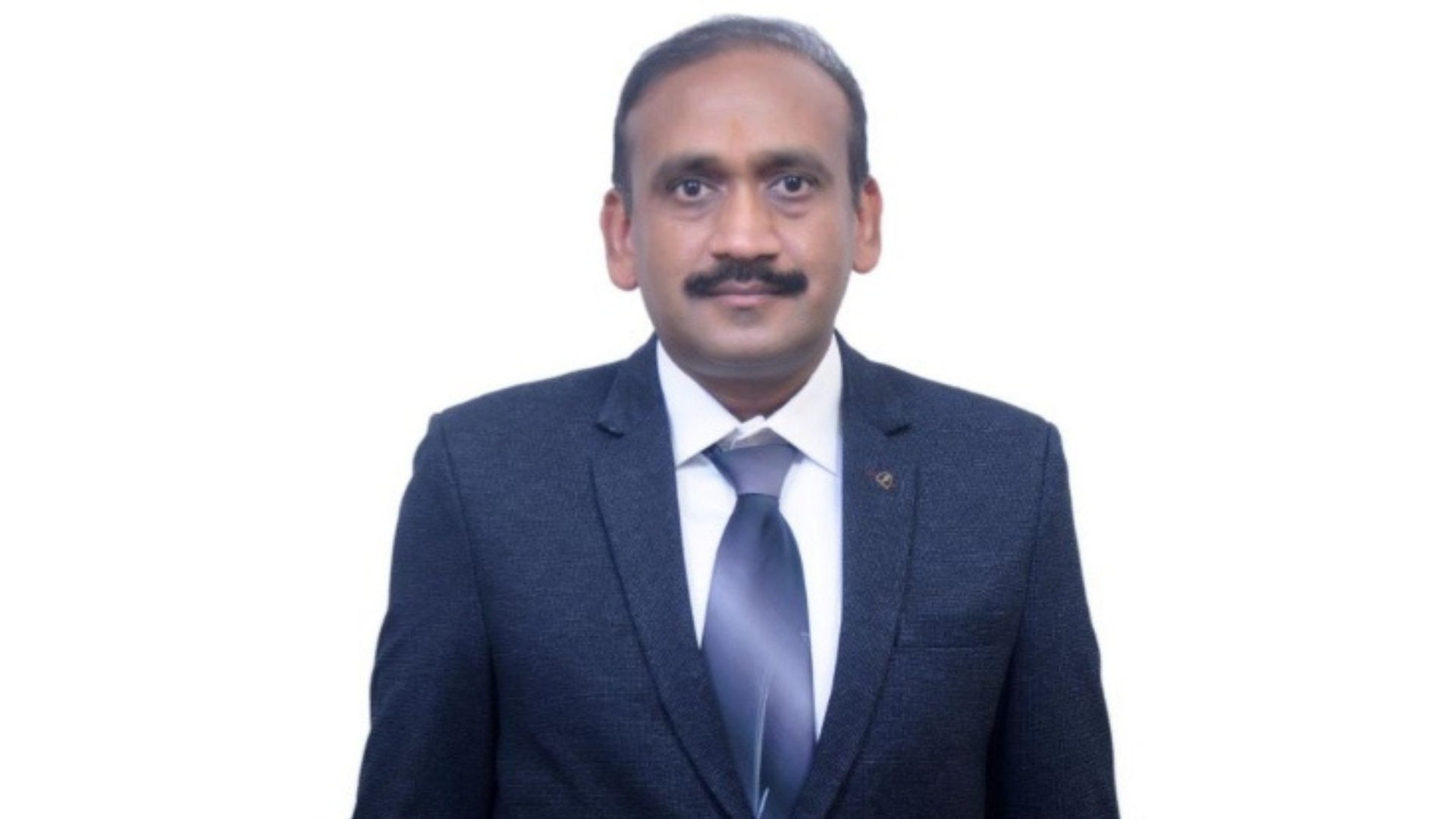
About the author: Pawan Kumar Garg, Chairman & Joint Managing Director, Fujiyama Power Systems