RERC notifies DF/DSM rules with phased flexibility targets
The Rajasthan Electricity Regulatory Commission (RERC) has notified the Rajasthan Electricity Regulatory Commission (Demand Flexibility (DF) Demand Side Management (DSM)) Regulations, 2026. Issued through a suo motu petition on April 17, 2026, the regulations establish a framework for distribution licensees to plan and implement demand side programs aimed at reducing peak load, improving grid efficiency, and supporting renewable integration. FY2026-27 has been designated as a preparatory year, with disincentives waived to enable load research and institutional readiness.
The regulations introduce a Demand Flexibility Portfolio Obligation (DFPO) with progressive multi year targets linked to peak demand of the previous financial year. The targets are set at 0.25% for FY2026-27, 1% for FY2027-28, 1.5% for FY2028-29, and 2% for FY2029-30. The obligation is designed to ensure the availability of flexible demand resources that can provide ramping support and enhance grid stability.
An incentive and disincentive mechanism has been specified at Rs 0.20 crore per MW for performance against DFPO targets. Distribution companies exceeding their targets will receive incentives, while under performance will attract disincentives from FY2027-28 onwards.
RERC has directed all distribution licensees to establish dedicated DF DSM Cells headed by an officer not below the rank of Chief Engineer. These units will be responsible for load research, program design, and coordination with the State Load Dispatch Centre to identify network constrained areas and prioritise interventions.
The framework mandates cost effectiveness evaluation of all programs. The Total Resource Cost (TRC) test will act as the primary screening criterion, followed by the Ratepayer Impact Measure (RIM) test to assess tariff impact. Programs may proceed if the tariff impact remains below Rs 0.005 per kWh or 0.05% of the prevailing tariff, whichever is higher.
Eligible programs include time based irrigation pumping, electric vehicle smart charging and vehicle to grid applications, behind the meter battery storage, efficient cooling and refrigeration systems, appliance replacement initiatives, and advanced models such as Cooling as a Service and Building Management Systems. The regulations explicitly exclude fossil fuel based diesel generators from participation in DF DSM programs.
The framework allows procurement of flexibility services through aggregators and requires empanelment of Independent Verification Agencies for measurement and verification of outcomes in line with established protocols. Consumer safeguards include mandatory consent for participation, the ability to switch aggregators without cost, and compliance with the Digital Personal Data Protection Act, 2023 for handling consumer data.
Costs incurred on DF DSM initiatives, including research, implementation, and evaluation, can be recovered through the Annual Revenue Requirement (ARR), subject to prudence checks by the Commission. The regulations were finalised following public consultation, including a hearing held on March 19, 2026, in Suo motu Petition No. 2397 of 2026.
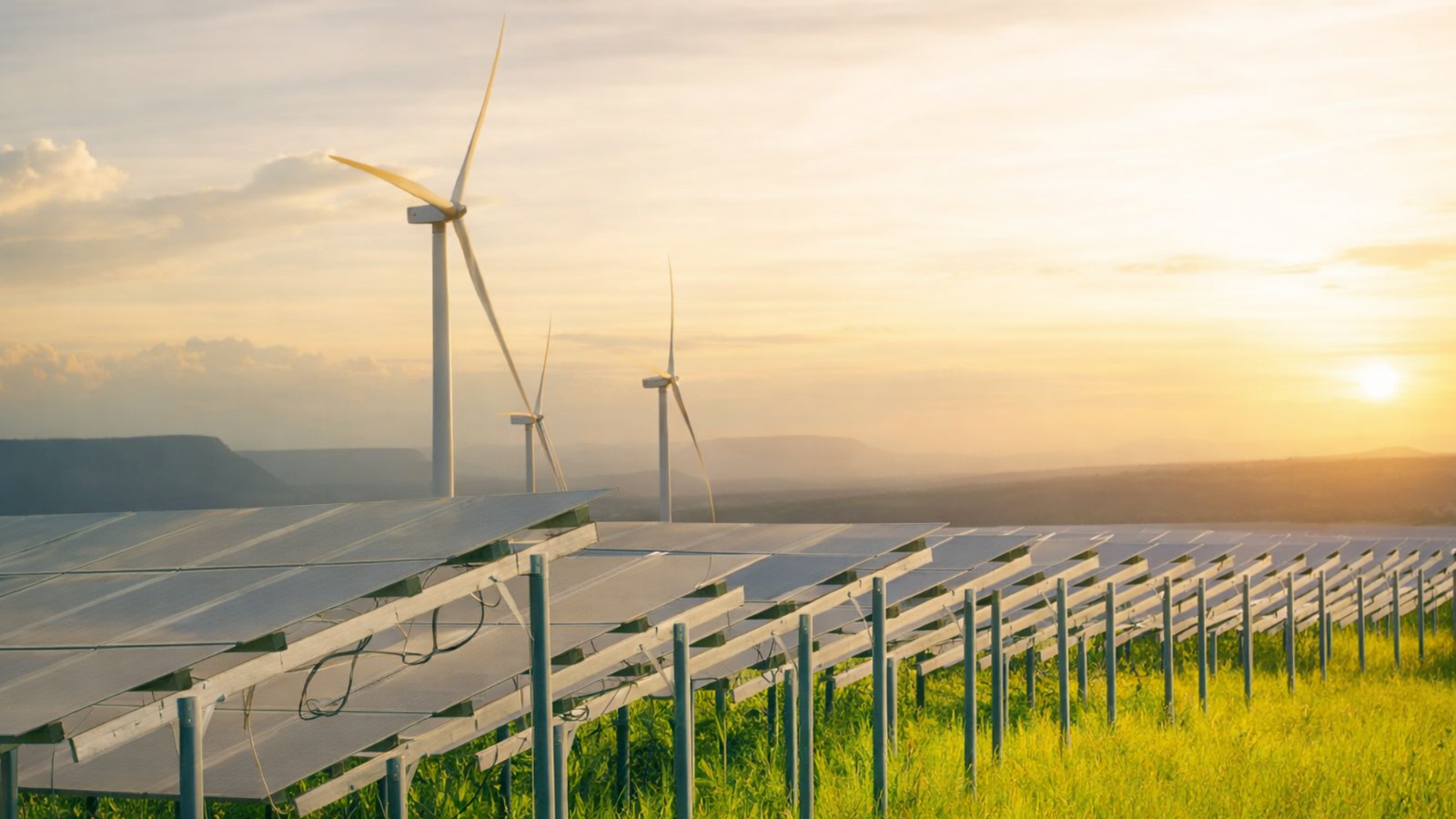
The featured photograph is for representation only.