PSERC notifies rooftop solar rules with GNM and VNM
The Punjab State Electricity Regulatory Commission (PSERC) has notified the third amendment to its Grid Interactive Rooftop Solar Photovoltaic Systems Regulations, 2021. The amendment introduces new metering frameworks to expand rooftop solar adoption. The provisions for Group Net Metering (GNM) and Virtual Net Metering (VNM) will come into effect from July 1, 2026, following readiness of billing systems.
The amendment introduces Group Net Metering, allowing a single consumer with multiple service connections of the same category across different premises to install a rooftop solar system at one location. Surplus energy exported from the generating premises can be adjusted against consumption at other participating connections within the same distribution area. The capacity is set at a minimum of 5 kWp and up to the combined sanctioned load of all participating connections, capped at 500 kWp. Consumers are required to specify a priority order for adjustment, with a default sequence starting from the generating connection.
Virtual Net Metering enables multiple consumers under the domestic tariff category, including residents of multi storey buildings and common services, to jointly set up a solar plant. The system can be located off site, with energy exported to the grid and credits allocated among participants based on a pre agreed ratio. Capacity ranges from 5 kWp to a maximum linked to the aggregate sanctioned load, capped at 500 kWp. Interconnection is defined at the nearest LT line for systems up to 100 kWp and HT line for higher capacities, subject to feasibility.
The amendment also formalises Behind the Meter (BTM) arrangements, where a solar system operates behind the consumer meter without opting for net metering or billing mechanisms. Such systems require prior approval, and any inadvertent export of energy will not be compensated or settled.
On capacity and settlement, PSERC has clarified that net metering capacity is limited to the consumer’s sanctioned load or contract demand, subject to a ceiling of 500 kWp. For net billing and gross metering, the limit is linked to load or demand without a 500 kWp cap. Unadjusted energy credits at the end of the financial year under net metering, GNM, and VNM will be compensated at 75% of the Feed in Tariff approved by the Commission. Delayed payments will attract interest at the State Bank of India one year Marginal Cost of Funds based Lending Rate (MCLR).
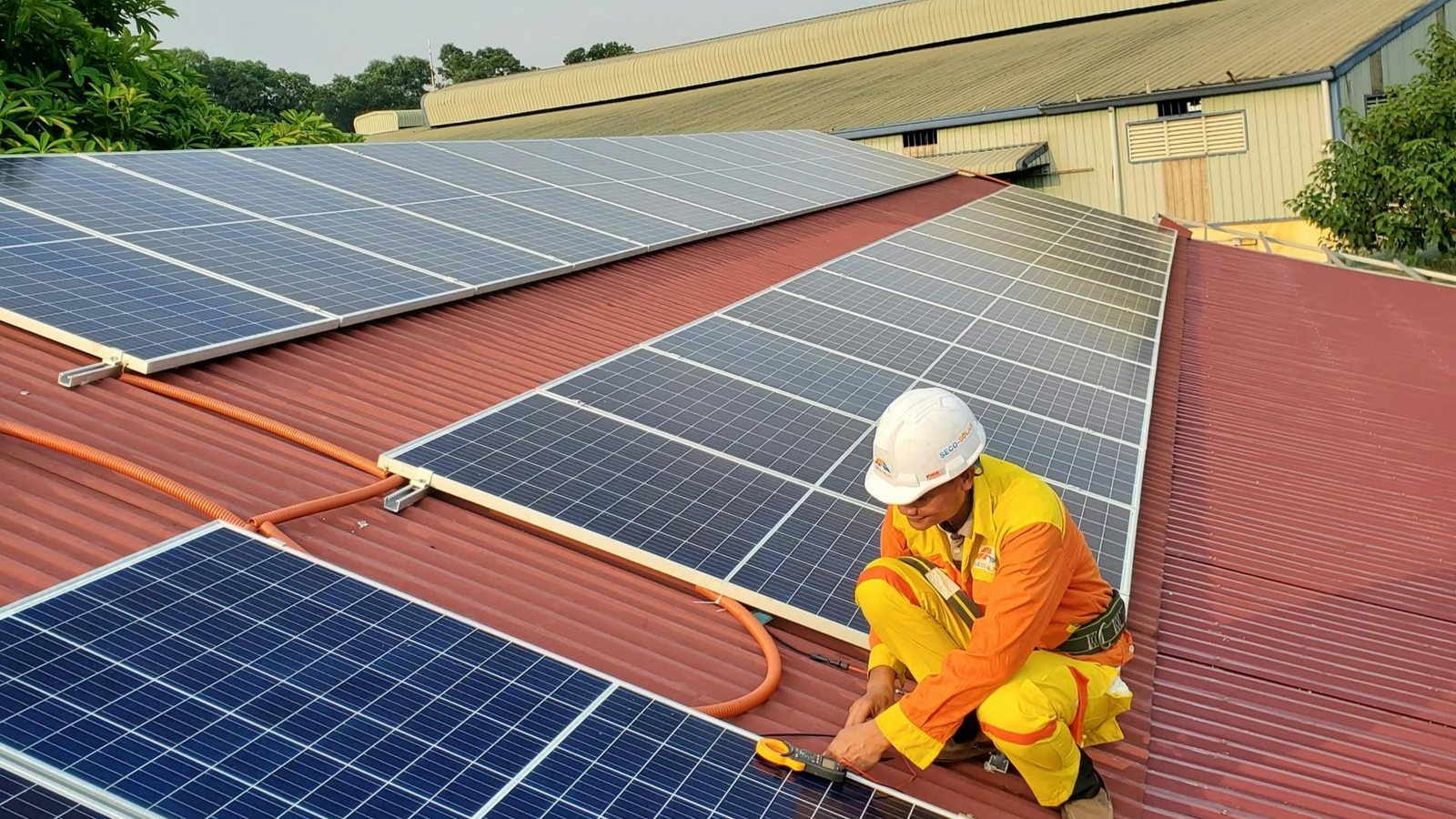
The regulations allow consumers to own rooftop systems or engage Renewable Energy Service Company (RESCO) developers. The distribution licensee will execute agreements directly with consumers and will not be involved in commercial disputes between consumers and RESCOs or among participants under VNM arrangements.
The amendment retains fee waivers for domestic consumers installing rooftop solar systems up to 10 kWp, linked to the achievement of 2.5 lakh installations under the PM Surya Ghar: Muft Bijli Yojana. Processing and meter testing fees will remain waived for eligible consumers during this period.
The Punjab State Electricity Regulatory Commission (Grid Interactive Rooftop Solar Photovoltaic Systems) (Third Amendment) Regulations, 2026 were notified on April 7, 2026, and published on April 11, 2026.
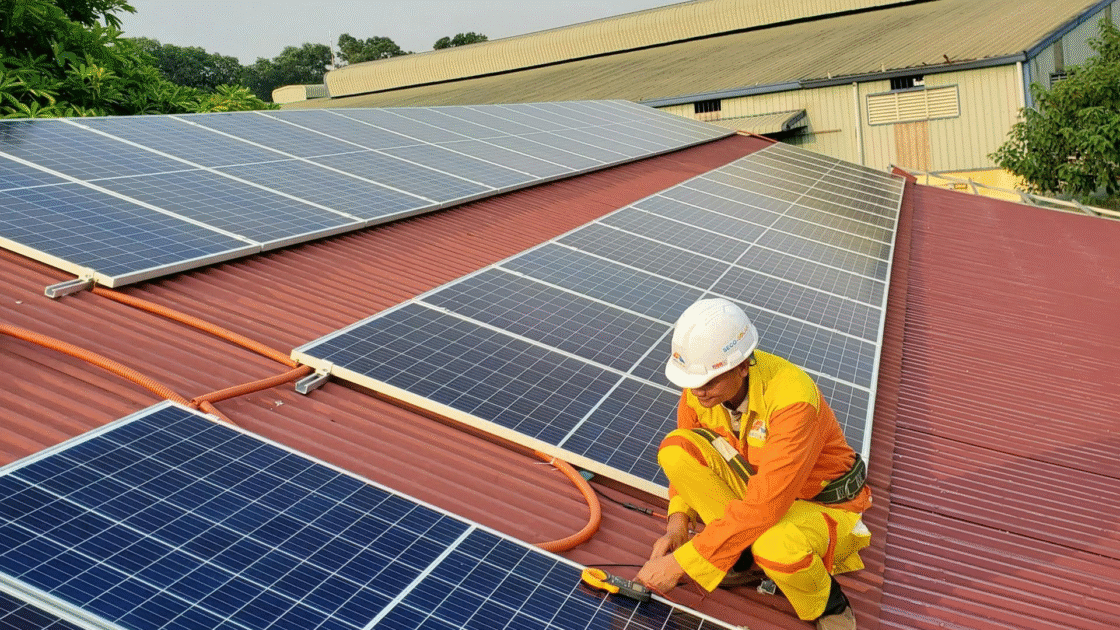
The featured photograph is for representation only.