MPERC proposes amendments to MP Grid Code 2024
The Madhya Pradesh Electricity Regulatory Commission (MPERC) has issued a public notice proposing the first amendment to the Madhya Pradesh Electricity Grid Code, 2024. The draft amendments, published on April 15, 2026, introduce changes related to operational timelines for Renewable Energy Generating Stations (REGS) and Energy Storage Systems (ESS), scheduling procedures, and compensation mechanisms for thermal generators. MPERC has invited stakeholder comments within 21 days and scheduled a public hearing on May 26, 2026, in hybrid mode.
The draft proposes revised timelines for infirm power injection, which is the pre-commissioning phase before Commercial Operation Date (COD). For REGS and ESS, excluding Hydro Pumped Storage Plants, the period is proposed to be capped at 45 days from first-time energisation and integration approval, compared to the longer duration applicable to conventional stations. Extensions up to three months may be granted by the State Load Dispatch Centre (SLDC) or Regional Load Dispatch Centre (RLDC), while longer extensions would require Commission approval with justification.
Changes are also proposed in scheduling revisions. Intra-day revisions under specified provisions would take effect from the 7th or 8th time block, instead of the current 4th block, with each block representing 15 minutes. This provides additional lead time for system operators to manage grid conditions.
For thermal generating stations, the draft introduces standardised compensation norms. These include defined degradation curves for Station Heat Rate (SHR) based on loading levels, specified increases in Auxiliary Energy Consumption (AEC), and normative secondary fuel oil consumption for hot, warm, and cold start-ups. The proposal also provides that gains after compensation will be shared equally between generators and beneficiaries.
The amendments introduce provisions for COD declaration of hydro stations under constrained reservoir conditions. A hydro generating station may declare COD based on performance at available water levels, with a requirement to demonstrate full design capability once reservoir levels normalise, failing which capacity may be de-rated.
The draft strengthens metering and data requirements by mandating Automatic Meter Reading (AMR) systems for all intra-state entities connected to the State Transmission Utility network. Embedded entities such as open access consumers and renewable generators connected to distribution networks are also required to provide AMR for remote data transmission.
Further, inverter-based resources including wind, solar, and energy storage systems are required to maintain reactive power capability at all times, including during non-operational periods. The active power consumed for providing such support in synchronous condenser or night mode will be treated as part of system losses and will not be charged to the resource owner.
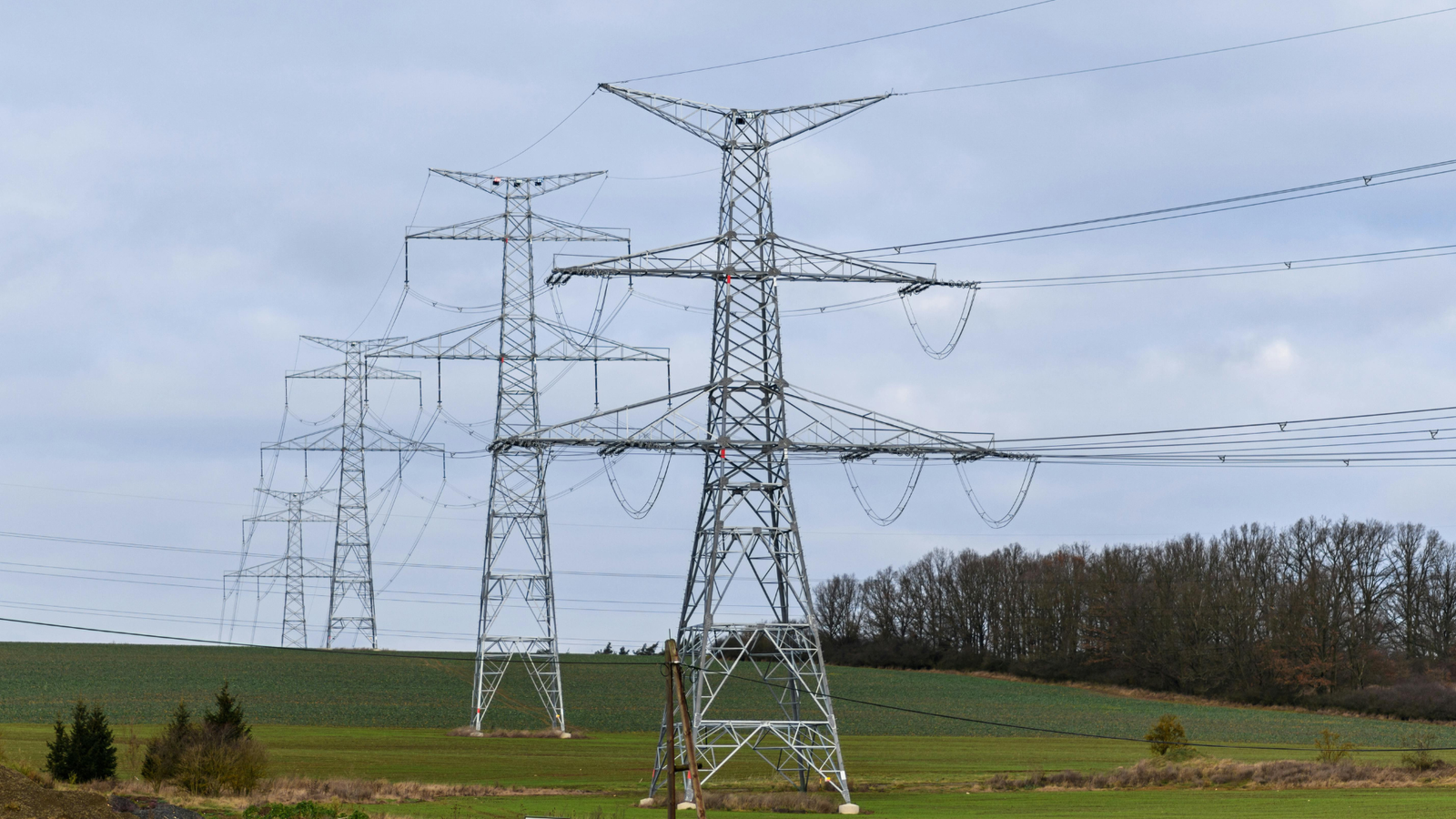
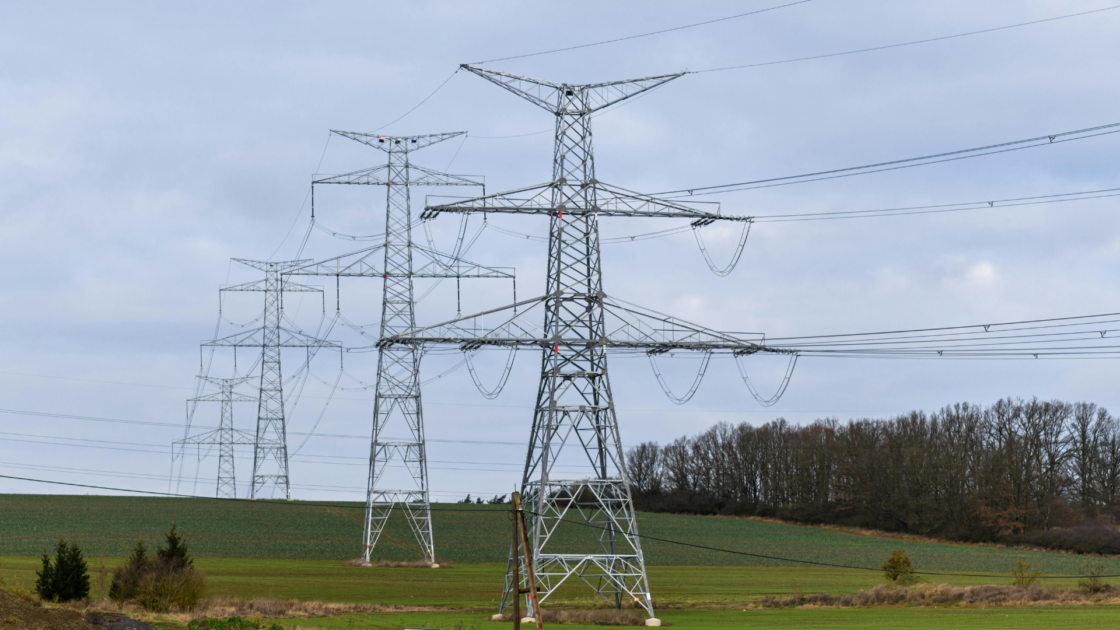
The featured photograph is for representation only.