
RERC clears deviations for 2,450 MW solar, 6,400 MWh BESS tender
The Rajasthan Electricity Regulatory Commission (RERC) has approved a set of deviations from the Ministry of Power’s standard bidding guidelines for procuring Firm and Dispatchable Renewable Energy (FDRE) from grid-connected renewable energy projects with energy storage systems. The approval clears the way for Rajasthan Renewable Energy Corporation (RREC) to proceed with the proposed tender for 2,450 MW of solar capacity coupled with 1,600 MW/6,400 MWh of Battery Energy Storage System (BESS) at the Pugal Solar Park in Bikaner, Rajasthan.
Project structure
Power generated from the project will be procured by Rajasthan’s distribution companies through 25-year Power Purchase Agreements (PPAs) with Rajasthan Urja Vikas and IT Services Limited (RUVITL).
The project has been divided into two packages. Lot-1 comprises 2,000 MW of solar capacity with 1,320 MW/5,280 MWh of BESS, while Lot-2 comprises 450 MW of solar capacity with 280 MW/1,120 MWh of BESS. The solar park is being developed under a plug-and-play model, with land and common infrastructure being provided by the state.
According to RERC, the approved deviations are intended to improve grid discipline, ensure reliable peak-hour power supply, optimise the utilisation of battery storage systems and support long-term project viability while maintaining competitive tariffs.
RREC, through its wholly owned subsidiary Rajasthan Solar Park Development Company Limited (RSPDCL), had sought ten deviations from the standard bidding guidelines.
A senior RERC official said the proposals were supported by detailed technical and commercial justification and represented a strong push for reforms in the renewable energy sector.
Key changes approved
The Commission approved a stricter penalty mechanism for failure to meet peak-hour dispatch obligations. Instead of the standard provision of 1.5 times the PPA tariff, developers will be liable to pay a penalty equal to twice the PPA tariff for any shortfall during notified peak supply hours.
In addition, if developers fail to meet their committed peak-hour supply obligations, they will receive only 50% of the PPA tariff for the corresponding solar energy supplied outside peak hours.
RERC also approved a revised commissioning framework under which early commissioning will be permitted only when the solar generation capacity is accompanied by proportionate BESS capacity. The Commission accepted RSPDCL’s argument that commissioning standalone solar capacity would undermine the objective of supplying firm renewable power during peak demand periods.
The regulator further approved larger minimum project sizes than those specified in the central guidelines. Developers will be required to bid for at least 250 MW in Lot-1 and 225 MW in Lot-2, each with proportionate battery storage. RSPDCL argued that the solar park’s layout had been designed around plots of these sizes and that allowing smaller projects would lead to land fragmentation, higher infrastructure costs and greater coordination challenges.
Another approved deviation requires developers to dismantle and remove all project infrastructure at their own cost after the expiry of the 25-year PPA unless an extension is mutually agreed by the procurer, RSPDCL and the developer and subsequently approved by RERC.
While approving the revised minimum project sizes, RERC directed RREC to consult the procuring discoms to assess whether increasing the minimum bid capacity from the 50 MW prescribed under the standard guidelines could affect competition or discovered tariffs.
The Commission said RREC may reduce the minimum bid size if required. If RREC concludes that the proposed lot sizes do not adversely affect competition or tariff discovery, it may proceed with the procurement while ensuring wide publicity for the tender.
During the proceedings, RSPDCL withdrew three proposed deviations after revising the tender documents. These related to payment security, generation compensation for grid unavailability and compensation for reduced power offtake.
The Commission considered and approved only the remaining deviations.
Next steps
RERC said the approved deviations enable RSPDCL to issue the Request for Selection (RfS) under the FDRE framework. The tariff discovered through competitive bidding will be submitted separately to the Commission for adoption under Section 63 of the Electricity Act.
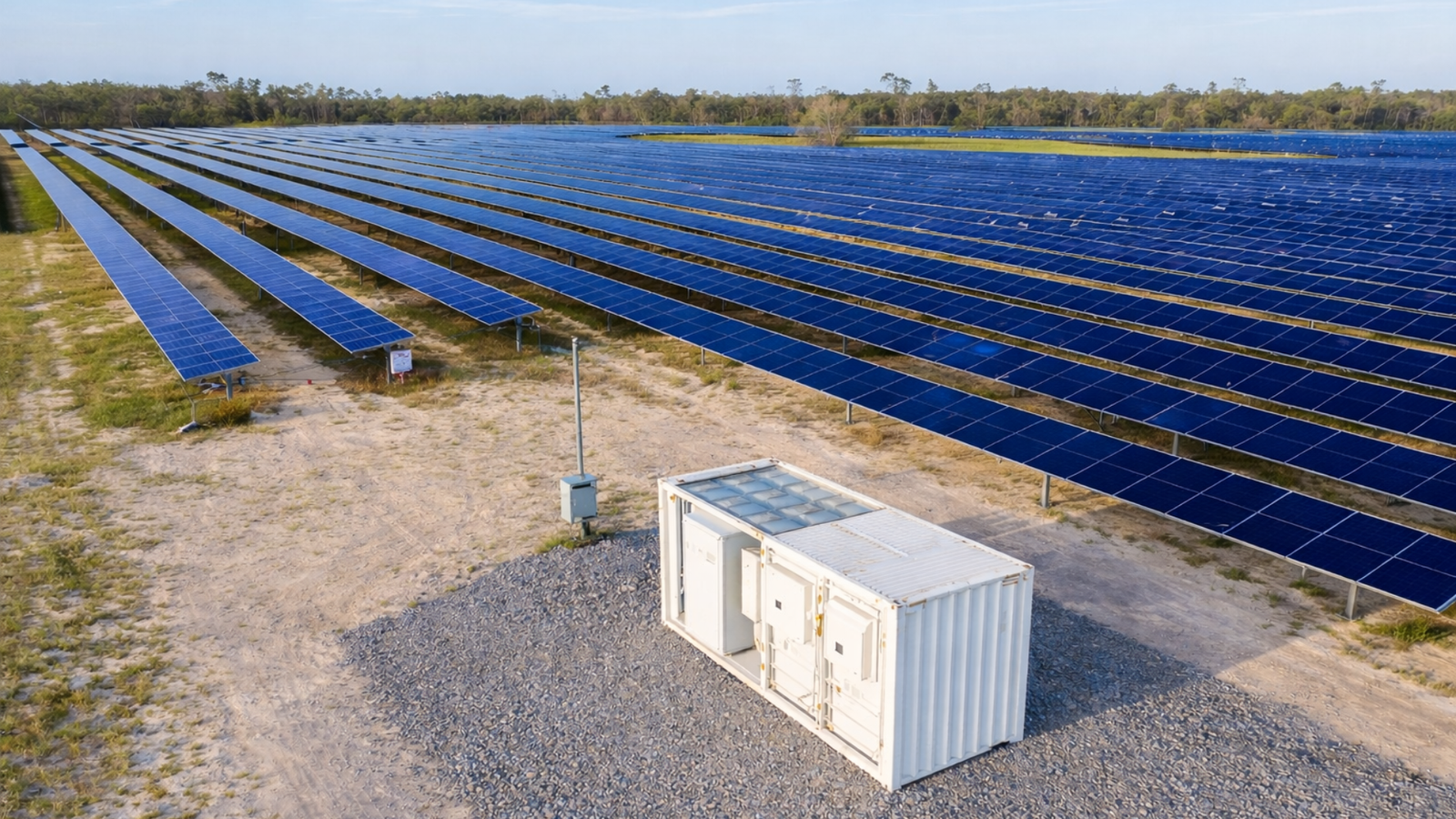
The featured photograph is for representation only.
