
Karnataka homes to get solar power from Rs 1.96/unit under PM Surya Ghar
The Karnataka Electricity Regulatory Commission (KERC) has determined generic tariffs for Distributed Solar Photovoltaic (DSPV) and Solar Photovoltaic (SPV) plants under different metering mechanisms for the period from August 25, 2026, to June 30, 2029.
The order was issued by a bench comprising Chairman P. Ravi Kumar, Member (Legal) H.K. Jagadeesh and Member Jawaid Akhtar, following notification of the KERC (Grid Interactive Distributed Solar Photovoltaic (DSPV) Plants) Regulations, 2026, on August 24, 2026.
For non-subsidy domestic consumers installing 1 kW to 10 kW systems, KERC has set the tariff at Rs 3.89 per unit. For other DSPV plants under the non-Domestically Manufactured Content (DCR) category, the tariff is Rs 2.34 per unit, while the tariff for systems using DCR solar modules is Rs 3.11 per unit.
Tariff categories
For domestic consumers with systems between 1 kW and 10 kW, the Rs 3.89 per unit tariff for the non-subsidy category is based on a capital cost of Rs 45,000 per kW. The cost includes taxes, duties, Goods and Services Tax (GST), transportation and extra premium and is derived from Ministry of New and Renewable Energy (MNRE) benchmark costs to support adoption among smaller domestic consumers.
For consumers covered by the PM Surya Ghar: Muft Bijli Yojana, the tariff after deducting the applicable subsidy component is Rs 1.96 per unit for systems of 1-2 kW, Rs 2.14 per unit for 2-3 kW and Rs 2.58 per unit for systems above 3 kW.
For DSPV plants of 1 kW to 1,000 kW under net metering, and from 1 kW up to sanctioned load under gross metering or net billing, the non-DCR tariff is Rs 2.34 per unit. The Commission has based this on a capital cost of Rs 27,090 per kW, calculated using market prices as of April 2026, including an average module cost of Rs 13.8 per Wp excluding GST and Balance of System cost of Rs 126 lakh per MW.
For the DCR category, covering solar modules with DCR solar cells, the tariff is Rs 3.11 per unit. The corresponding capital cost is Rs 36,015 per kW, based on an average module cost of Rs 22.3 per Wp excluding GST.
The DCR category has been introduced in line with MNRE’s Official Memorandum dated July 18, 2026, which provides a limited exemption from ALMM List-II provisions for net-metering and open access renewable energy projects commissioned up to December 31, 2026. Applicability of the DCR tariff will be subject to inspection and certification by the distribution licensee under a uniform standard procedure.
For Virtual Net Metering (VNM) and Group Net Metering (GNM), the approved tariff is 75% of the applicable DSPV tariff for the relevant non-DCR or DCR category.
Tariff parameters
KERC has adopted a useful life and PPA term of 25 years, with a levelized tariff over the PPA period. The normative Debt-Equity Ratio is 70:30 and the Capacity Utilization Factor (CUF) is 19%.
The interest rate on debt is 10.80% per annum, based on State Bank of India’s three-year Marginal Cost of Funds based Lending Rate (MCLR) of 8.80% plus 200 basis points. The normative debt repayment period is 13 years and Return on Equity (RoE) is 14% per annum.
Depreciation is set at 5.385% per annum on 90% of capital cost, with the remaining 10% treated as salvage value. Operation and Maintenance (O&M) expenses are set at 1% of capital cost, with annual escalation of 5.72%.
Interest on Working Capital is 11.20% per annum, based on SBI’s one-year MCLR of 8.70% plus 250 basis points and one month’s receivables. The discount rate or Weighted Average Cost of Capital (WACC) is 11.76%.
Capital costs
The Commission has fixed capital costs of Rs 45,000 per kW for 1 kW to 10 kW domestic non-subsidy systems, Rs 27,090 per kW for other consumers in the non-DCR category and Rs 36,015 per kW for other consumers in the DCR category.
KERC noted that GST on solar equipment was reduced from 12% to 5% with effect from September 22, 2025, under Ministry of Finance Notification No. 9/2025-Central Tax (Rate) dated September 17, 2025.
Accordingly, the capital cost calculations use 5% GST on 70% of the goods value and 18% GST on 30% of the services value under the engineering, procurement and construction (EPC) contract.
Background
As of April 30, 2026, Karnataka had 6,354.74 MW of installed solar power capacity under PPA mode, including 920.74 MW of DSPV capacity. The Commission noted that bulk consumers account for a significant share of DSPV installations, indicating comparatively limited adoption among smaller consumers, particularly domestic users.
KERC issued a discussion paper on June 17, 2026, seeking stakeholder views and subsequently conducted a public hearing on July 14, 2026. Participants included the Karnataka Renewable Energy Association (KREA), Powergate Energy, Bangalore Electricity Supply Company Limited (BESCOM) and individual stakeholders.
Stakeholders proposed, among other changes, the introduction of DCR tariffs, a reduction of the CUF to 17.5% and separate tariff structures for different consumer categories.
The Commission had also extended the validity of its previous tariff order dated July 9, 2025, from July 1, 2026, to August 24, 2026, to protect PPAs executed under the repealed 2016 regulations.
Applicability
The tariffs apply to all grid-connected DSPV and SPV consumers entering into PPAs with distribution licensees between August 25, 2026, and June 30, 2029, or until further orders of the Commission, whichever is earlier.
They also apply to new DSPV and SPV projects for which PPAs are entered into or applications are submitted and projects are commissioned on or after August 25, 2026. All such PPAs will have a tenure of 25 years.
KERC has not included land cost in the capital cost for DSPV systems from 1 kW to the applicable sanctioned load or capacity limit because the systems are installed at consumer premises. Land cost has also not been considered for VNM systems, which provide an alternative for consumers without sufficient space at their premises.
The Commission has not allowed auxiliary consumption because of a lack of documentary evidence, consistent with its earlier orders. It has also not applied degradation factors to DSPV projects, with the objective of keeping the PPAs fair and sustainable for both parties.
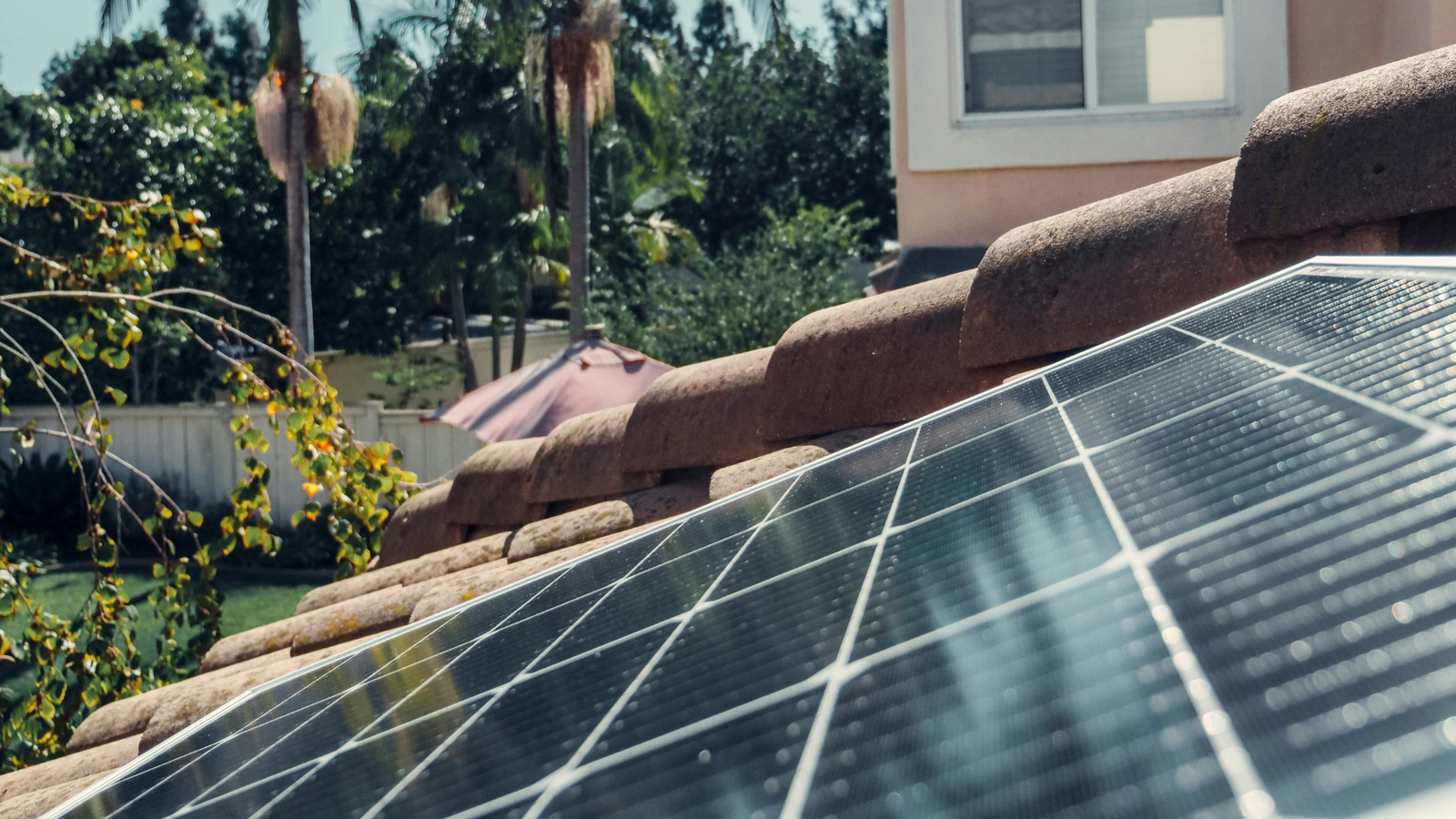
The featured photograph is for representation only.