India, Canada advance energy dialogue and clean tech cooperation
Author: PPD Team Date: February 2, 2026
India and Canada have reaffirmed and expanded their strategic cooperation across energy security, critical minerals, and clean technology. Following high-level ministerial dialogues, both nations committed to deepening trade, reciprocal investment, and collaborative projects in conventional and renewable energy sectors.
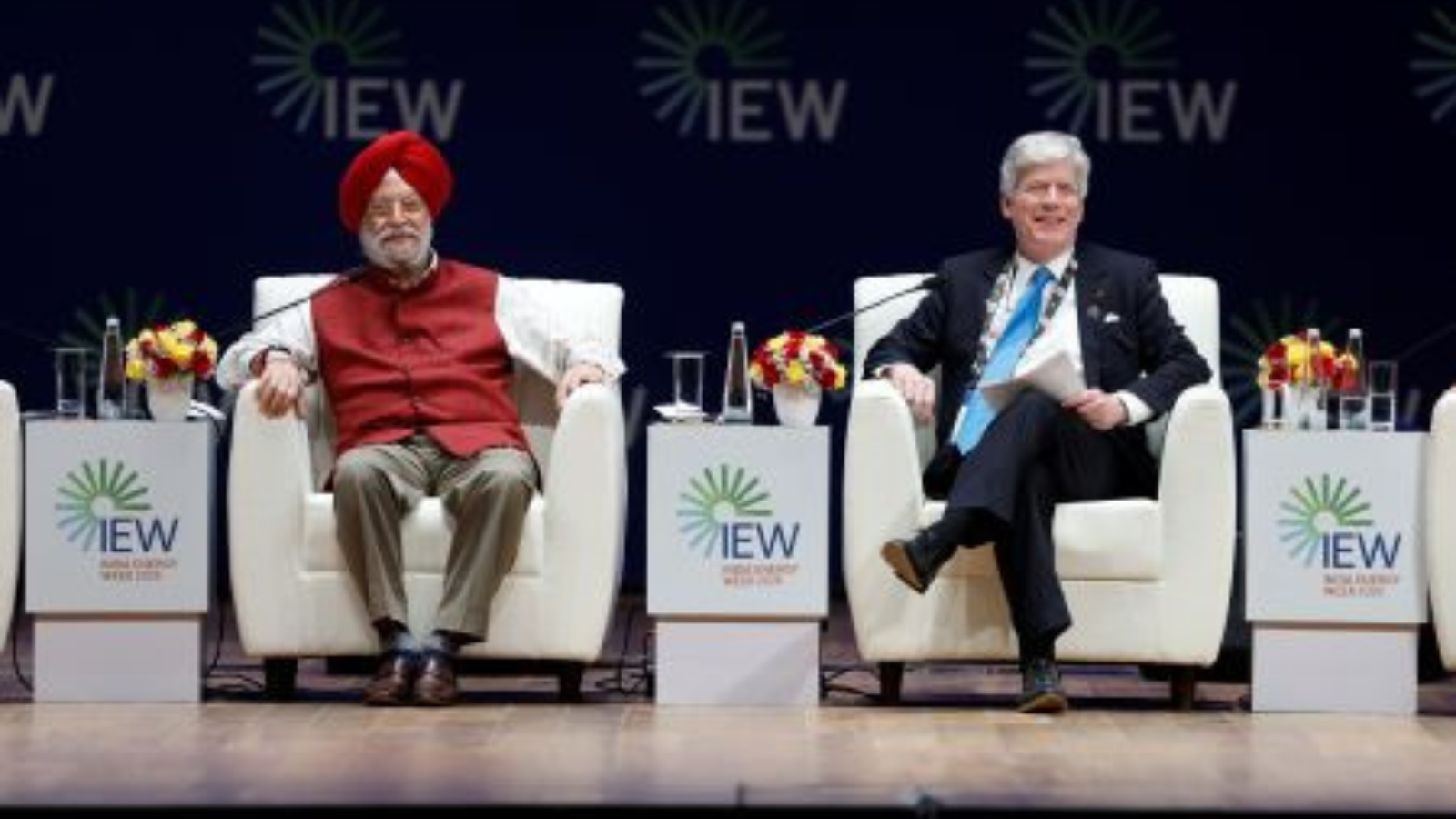
The renewed partnership was launched during India Energy Week 2026 in Goa, where India’s Minister of Petroleum and Natural Gas, Hardeep Singh Puri, and Canada’s Minister of Energy and Natural Resources, Timothy Hodgson, reinstated the India-Canada Ministerial Energy Dialogue. The ministers emphasised the critical role of diverse energy supplies for national security and economic stability, agreeing to enhance bilateral trade in Liquefied Natural Gas (LNG), Liquefied Petroleum Gas (LPG), crude oil, and refined petroleum products.
Both nations recognized their complementary economic roles: Canada aims to be a clean energy superpower with diversified exports, while India, as a major global energy consumer, is projected to drive over one-third of the world’s energy demand growth in the coming decades. The dialogue outlined a framework for increased government and private-sector collaboration, leveraging Canada’s resource projects and India’s massive domestic energy investments and refining capacity.
In a parallel meeting in New Delhi, India’s Minister for Heavy Industries and Steel, H.D. Kumaraswamy, and Minister Hodgson focused on clean mobility and critical minerals. Discussions centered on building resilient supply chains for battery manufacturing and securing minerals like lithium and cobalt essential for India’s electric vehicle (EV) and renewable energy ambitions. India highlighted its significant domestic initiatives, including the FAME-II and PM E-DRIVE schemes, while Canada expressed willingness to share advanced battery technology and critical mineral resources.
The ministers also committed to joint efforts in reducing emissions through technology such as carbon capture and to cooperation in renewable energy, biofuels, sustainable aviation fuel, and artificial intelligence applications in the energy sector. Both sides agreed to continue engagement through structured dialogues and industry partnerships, aligning with India’s Viksit Bharat@2047 vision and net-zero goals, as well as Canada’s clean energy export strategy.
Photo credit: IEW