
Grid-India revises SRAS and TRAS procedures to strengthen grid balancing
Grid Controller of India Limited (Grid-India), through the National Load Despatch Centre (NLDC), has issued revised detailed procedures for Secondary Reserve Ancillary Services (SRAS) and Tertiary Reserve Ancillary Services (TRAS), updating the operational framework based on more than three years of implementation experience and stakeholder feedback.
The revised procedures, finalised after a public consultation process, align the ancillary services framework with the Indian Electricity Grid Code (IEGC), 2023. They also expand the scope of TRAS during reserve shortfall conditions, introduce provisions for emergency grid operations, and harmonise accounting and settlement with the existing Security Constrained Unit Commitment (SCUC) framework.
Role of ancillary services
Ancillary services help maintain the stability and reliability of the power grid by balancing supply and demand in real time.
SRAS is delivered through Automatic Generation Control (AGC) and provides automated secondary frequency response to correct deviations in grid frequency within seconds.
TRAS provides tertiary reserves that replenish secondary reserves and address larger balancing requirements, typically within 15 minutes, during contingencies, demand forecast errors or fluctuations in renewable energy generation.
Changes to the SRAS framework
The revised SRAS procedure expands participation by clarifying that all eligible entities under Central Electricity Regulatory Commission (CERC) regulations, including energy storage resources, may participate. The document also notes that demand response resources and controllable loads may be included in future once suitable baseline methodologies are established.
Grid-India has aligned accounting and settlement of SRAS transactions with the SCUC framework, which became operational in April 2024. Under the revised arrangement, SRAS, TRAS and SCUC transactions will be accounted for and settled through a single consolidated statement, with net settlement carried out at the Regional Deviation and Ancillary Services Pool Account level.
The procedure also clarifies control area operation. Flat frequency control will remain the default operating mode because of its economic benefits, while tie-line bias mode will be adopted during transmission congestion in line with expert committee recommendations.
To strengthen cyber security, SRAS providers must now submit a signed undertaking confirming compliance with cyber security requirements. The revised framework also introduces multiple verification mechanisms at generating stations and NLDC to ensure secure communication and data integrity.
The procedure further formalises the publication of operational information on the Grid-India website to improve transparency and includes detailed guidelines for intra-state generators participating in SRAS. Real-time AGC data will be shared from Regional Load Despatch Centres (RLDCs) to State Load Despatch Centres (SLDCs), along with defined sign conventions for state net schedules.
Updates to the TRAS framework
The revised TRAS procedure broadens reserve availability during generation shortfalls by allowing all generating stations regulated under Section 62, including those with Un-Requisitioned Surplus (URS) power after Real-Time Market (RTM) results, and other stations opting for TRAS-Shortfall, to be considered available for dispatch by the nodal agency, subject to technical constraints.
The framework also introduces emergency provisions. Under exceptional grid security conditions, all regional entity generating stations, including wind and solar generators, may be dispatched for TRAS after market-procured reserves and shortfall reserves have been exhausted, provided technical constraints permit such deployment.
The revised procedure further clarifies price discovery. TRAS-Up will continue to operate through a uniform market clearing price mechanism, with a cap of Rs 10/kWh for non-High Priority TRAS providers. TRAS-Down will continue under the existing pay-as-bid mechanism prescribed in the regulations, without commitment charges.
Grid-India has also incorporated detailed dispatch sequencing illustrations. TRAS-Up providers will be dispatched in ascending order of market clearing price, with pro-rata allocation where multiple providers quote the same price. TRAS-Down providers will be dispatched in descending order of bid prices.
The procedure recognises the participation of renewable energy generators and energy storage systems, requiring participants to consider technical limitations such as battery State of Charge or reservoir levels while submitting bids. Under emergency conditions, wind and solar generators may be dispatched under TRAS-Up without compensation charges.
Communication with TRAS providers will primarily take place through Application Programming Interface (API), Web-Based Energy Scheduling (WBES) and National Open Access Registry (NOAR) platforms, while SMS and email notifications will continue as secondary communication channels.
Stakeholder consultation
The revised procedures were prepared following an extensive stakeholder consultation process. Draft procedures were issued on April 8, 2026, and the deadline for comments was later extended to April 21, 2026.
Comments were received from organisations including NTPC Limited, Serentica Renewables, Sembcorp, the Northern Regional Power Committee (NRPC), the Southern Regional Power Committee (SRPC) and individual experts.
Stakeholders provided feedback on reserve procurement methodology, renewable energy participation, compensation mechanisms, communication systems and settlement processes. Grid-India said suggestions that were not incorporated, including proposals for uniform pricing under TRAS-Down and commitment charges, were rejected based on existing regulatory provisions and operational considerations.
Supports higher renewable integration
The revised ancillary services framework comes as India’s power system integrates a growing share of renewable energy generation, increasing the need for flexible balancing resources.
By expanding participation, introducing emergency operating provisions, improving settlement processes and aligning procedures with the IEGC 2023 and SCUC framework, the revised procedures are expected to improve grid reliability while providing greater clarity for generators, energy storage developers and other market participants.
The revised detailed procedures have been published on the Grid-India website and take effect immediately upon issuance.
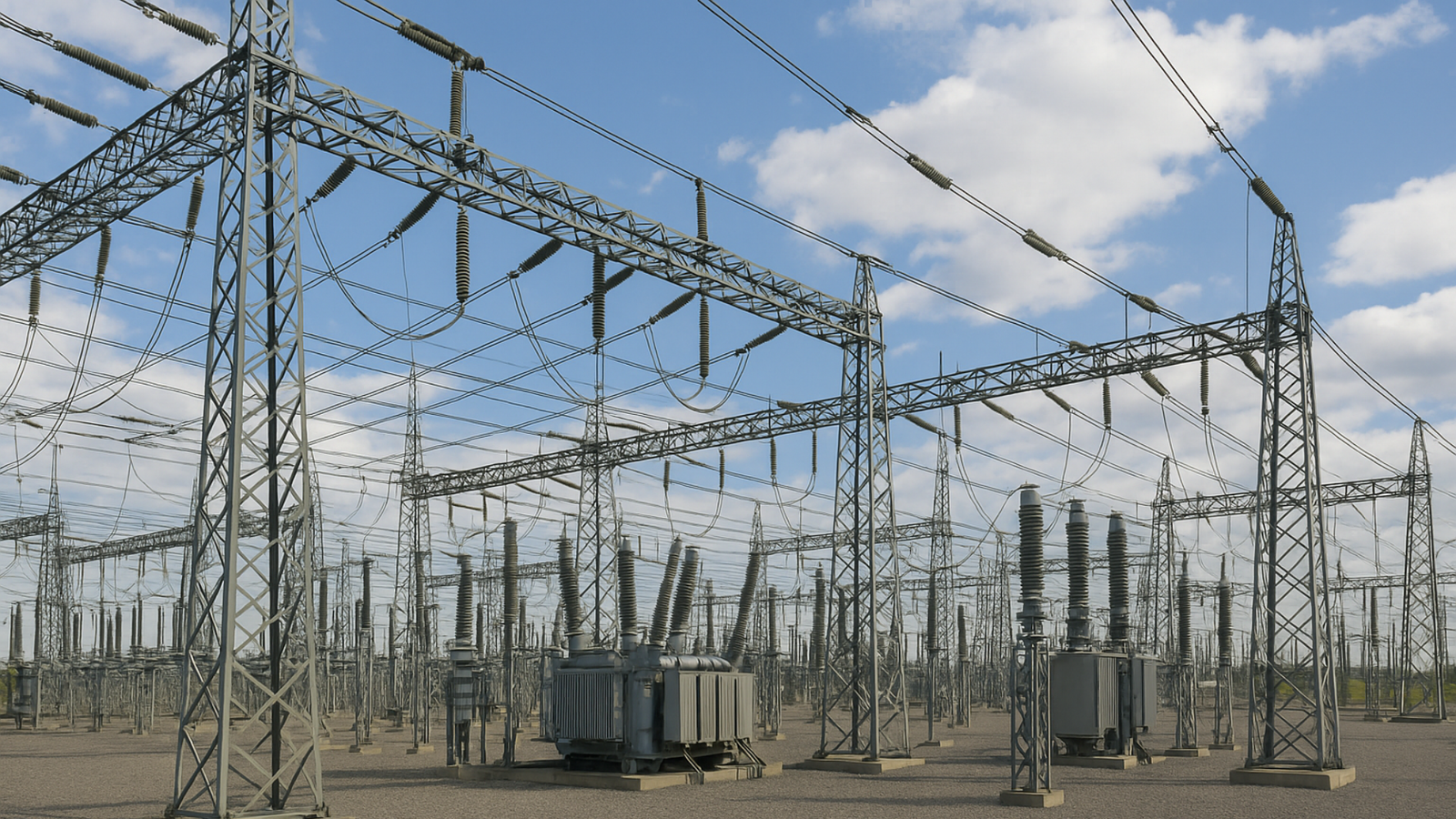
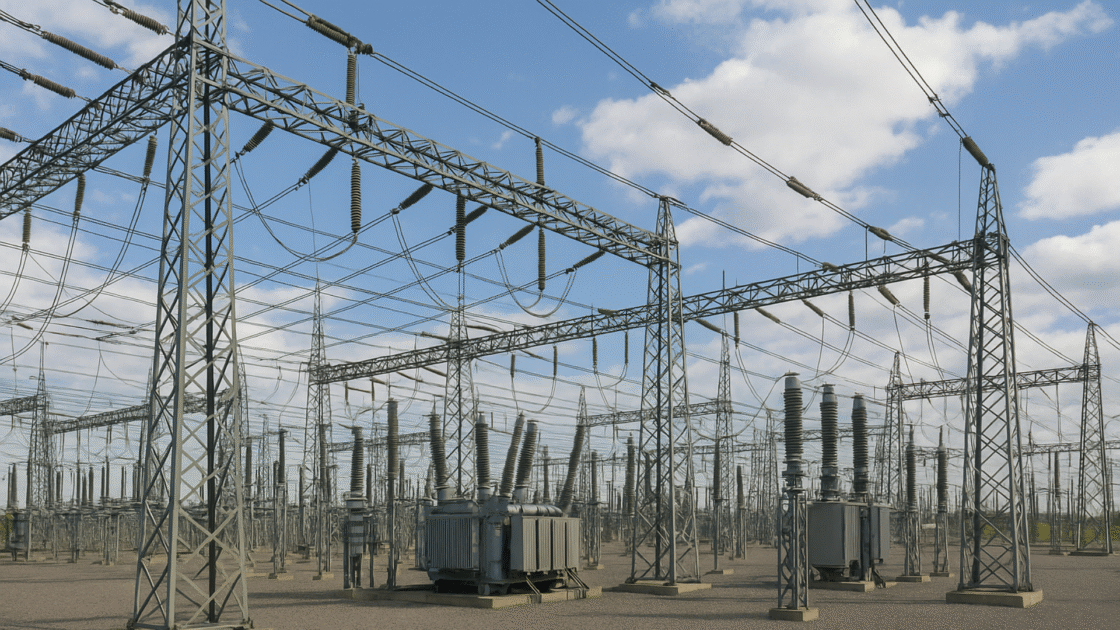
The featured photograph is for representation only.