Delhi Cabinet approves EV Policy 2026 with incentives till 2030
The Delhi Cabinet has approved a new Electric Vehicle (EV) Policy to accelerate the adoption of zero-emission vehicles and reduce air pollution in the national capital. Announced by Chief Minister Rekha Gupta, the policy will come into effect on July 1, 2026, and remain valid until March 31, 2030, subject to the approval of the Lieutenant Governor.
The policy provides financial incentives for the purchase of electric vehicles. Electric cars priced up to Rs 30 lakh will be exempt from road tax and registration fees. Electric two-wheelers will receive subsidies of Rs 30,000 in the first year, Rs 20,000 in the second year and Rs 10,000 in the third year. Subsidies for electric three-wheelers have been fixed at Rs 50,000, Rs 40,000 and Rs 30,000 over the same period, while buyers of electric trucks in the N1 category will be eligible for a purchase incentive of up to Rs 1 lakh.
The policy also introduces a scrappage incentive of Rs 1 lakh for owners of Bharat Stage-IV (BS-IV) or older four-wheelers who scrap their vehicles and purchase electric alternatives. The government clarified that hybrid vehicles will not be eligible for incentives, as the policy is limited to zero-emission vehicles. It also stated that there will be no cap on the number of vehicles eligible for incentives.
Registration roadmap
Under the policy, only electric three-wheelers will be registered in Delhi from January 1, 2027. From April 1, 2028, the registration of new petrol and compressed natural gas (CNG) two-wheelers will be phased out in favour of electric models.
Infrastructure plans
The Delhi government has set a target of installing 32,000 EV charging points across the city and said land has already been identified for the required infrastructure. A dedicated online portal will also be launched to process EV incentive applications.
According to the government, the policy is expected to generate investments and benefits worth around Rs 15,000 crore over the next four years. This includes Rs 7,000 crore for purchase and scrappage incentives and Rs 8,000 crore for EV infrastructure development and tax concessions.
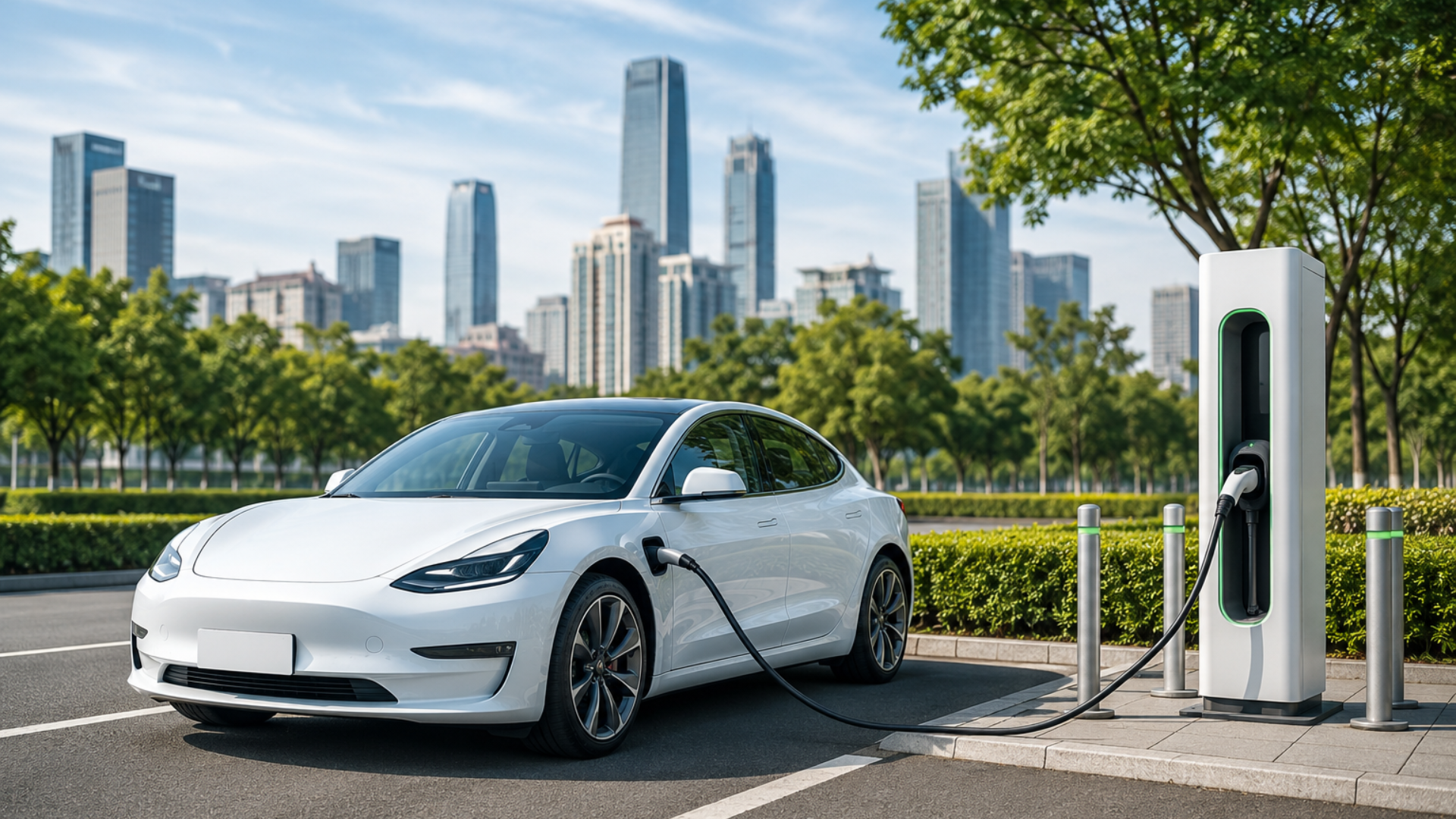
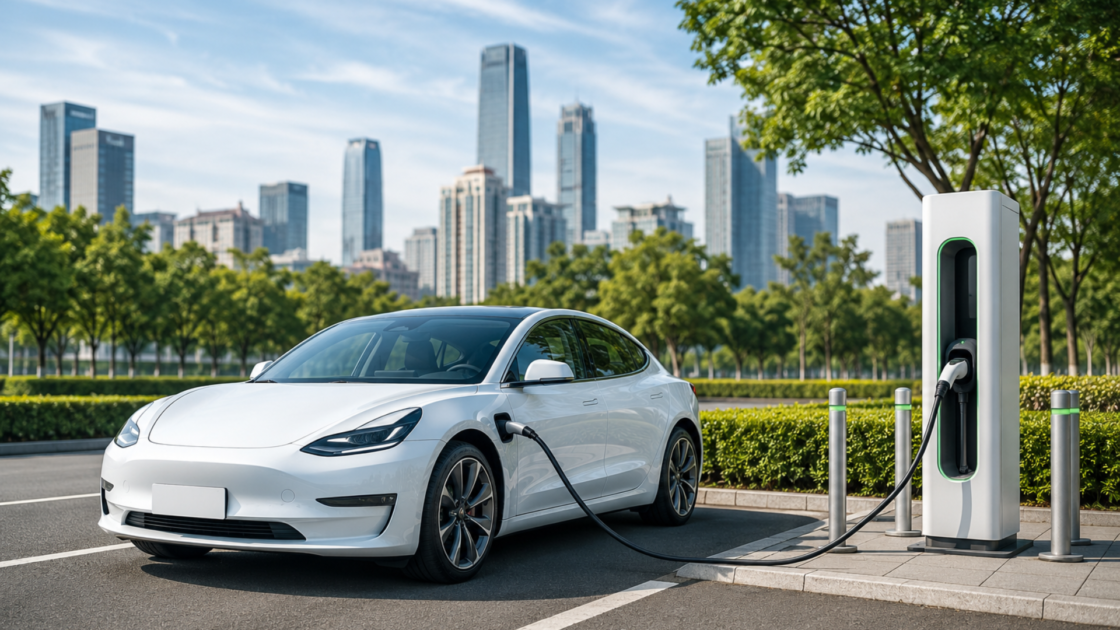
The featured photograph is for representation only.