
Delhi Budget 2026-27: Solar, EV charging and underground cabling drive Rs 3,942 crore power outlay
Author: PPD Team Date: March 25, 2026
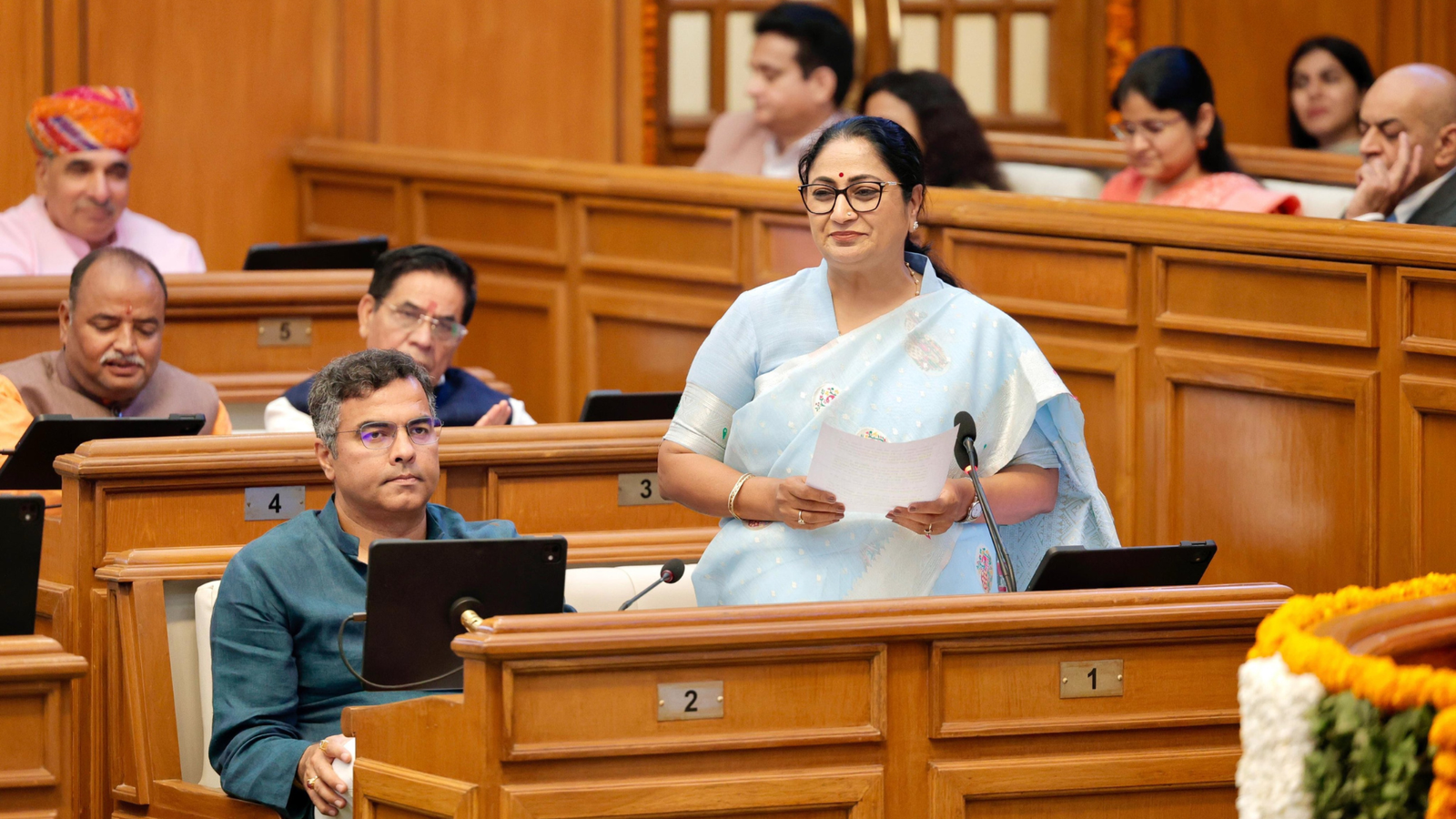
Delhi Chief Minister and Finance Minister Rekha Gupta has allocated Rs 3,942 crore to the Power Department in the Rs 1,03,700 crore Budget for 2026-27, presented on March 24, 2026. The budget positions itself as Delhi’s first Green Budget, with 21.44% of total outlay, or Rs 22,236 crore, earmarked for green initiatives.
Solar push and network upgrades
The government will continue electricity subsidies while expanding solar adoption through the Pradhan Mantri Surya Ghar Muft Bijli Yojana and a production-based incentive scheme.
On network infrastructure, underground cabling work has begun in 28 lanes of Chandni Chowk, covering 52.5 km of High Tension (HT) and Low Tension (LT) lines at an estimated cost of Rs 160 crore. A further Rs 200 crore has been proposed to extend underground cabling across the city, with the stated aim of improving safety and urban conditions.
To support rising demand, new sub-stations and transformers will continue to be commissioned across Delhi.
New initiatives across solar, EVs, and waste-to-energy
The budget proposes installing solar panels over drains as part of the Drainage Master Plan, combining renewable generation with measures to reduce solid waste dumping.
In transport electrification, 6,130 additional electric buses are planned under PM E-DRIVE, with a target of 7,500 total buses, including 5,800 electric, by March 2027. The longer-term goal is 12,000 EV buses by 2029. To support this, Rs 320 crore has been allocated for depot electrification and charging infrastructure in 2026-27, along with Rs 200 crore for the Delhi Electric Vehicle Policy 2.0.
Waste-to-energy capacity is also being expanded. Facilities at Narela, Okhla, Ghazipur, and Tehkhand are under expansion to raise processing capacity from 7,000 to 15,000 metric tonnes per day. In addition, around 1,500 tonnes of cow dung generated daily will be used for energy production.
The government has also introduced a Carbon Credit Monetisation Scheme based on a Measurement, Reporting and Verification (MRV) framework to convert emission reductions into economic value.
Photo credit: @CMODelhi/ X