China builds first integrated offshore solar, hydrogen and storage system
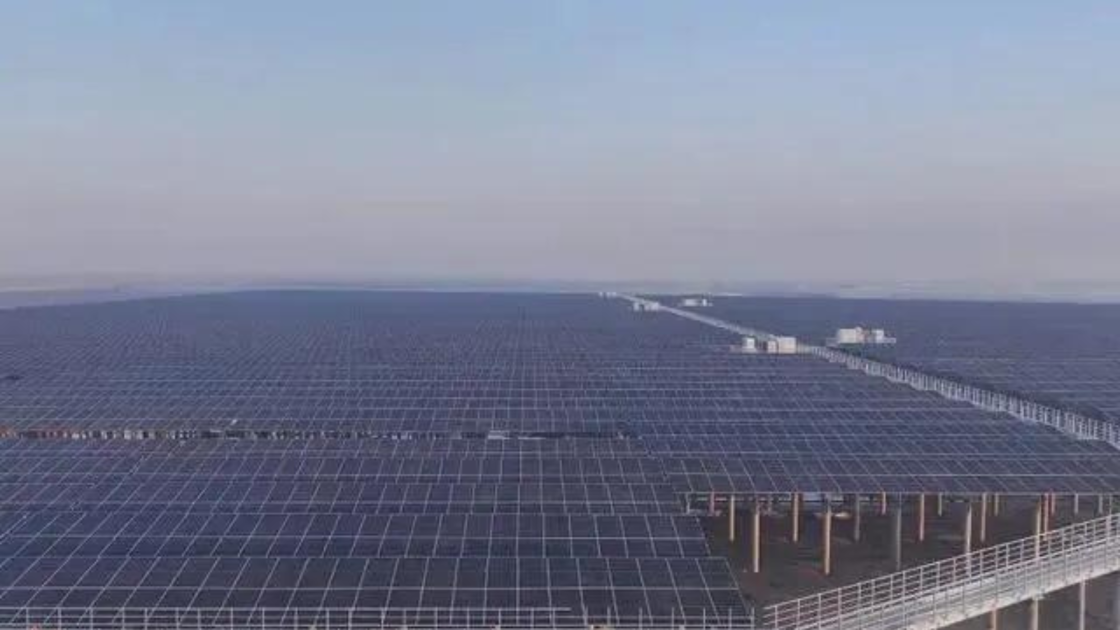
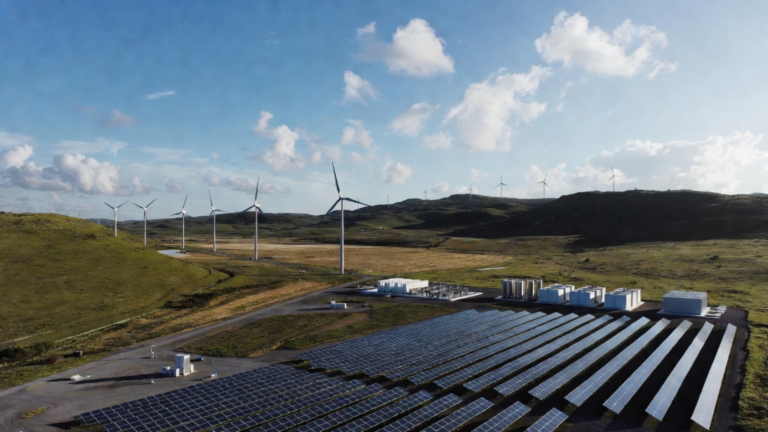
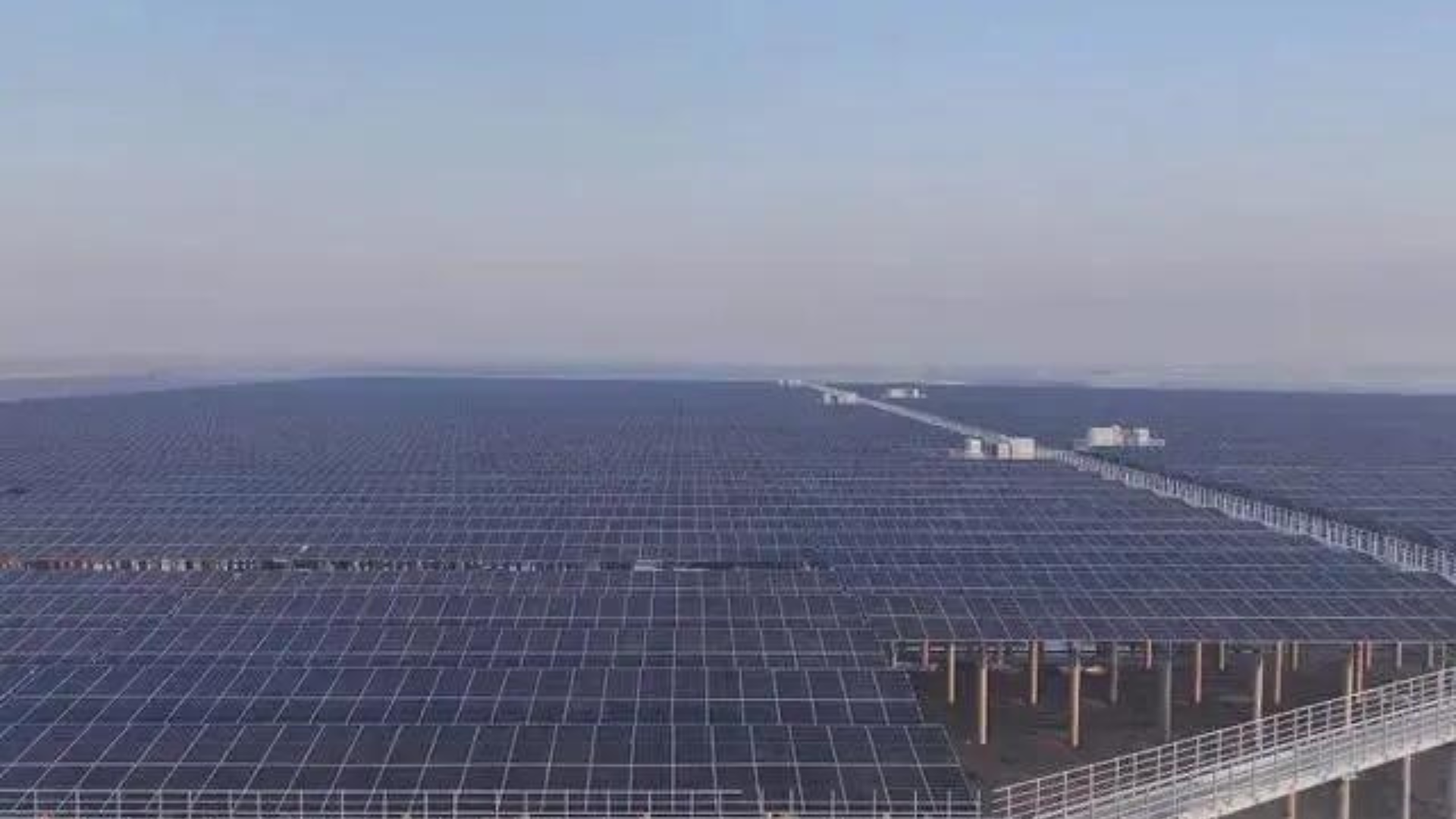
A coastal energy project combining 400 MW of offshore solar generation with on-site hydrogen production and battery energy storage has been completed in Rudong, Jiangsu Province, China. The project has been developed by CHN Energy Guohua Energy Investment Co and is described as China’s largest offshore photovoltaic (PV) demonstration project integrating solar, hydrogen, and storage systems.
According to reports by China Media Group, the project is located in offshore waters near Rudong and includes a 400,000-kW offshore solar array, a newly built 220 kV onshore booster station, a hydrogen production facility with a capacity of 1,500 standard cubic metres per hour, and an electrochemical energy storage system.
Integrated energy system
Chinese media reports described the project as the country’s first integrated energy system combining power generation, hydrogen production, energy storage, energy utilisation, and shoreline ecological management within a single framework. The project has been designed as an integrated “electricity-storage-hydrogen” utilisation model aimed at improving renewable energy utilisation and system flexibility.
According to Science and Technology Daily, the project makes use of coastal tidal flats and combines photovoltaic technology with intelligent control systems for energy conversion and storage. The facility uses renewable electricity for water electrolysis to produce green hydrogen.
Operational milestones
Nantong Daily reported that the photovoltaic section of the project achieved full-capacity grid connection on April 29, 2025.
Once fully operational, the battery storage system is expected to supply 120,000 kWh of peak-shaving electricity during high-demand periods each day. The hydrogen production facility is expected to produce up to 180 tonnes of green hydrogen annually.
The integrated system is expected to operate as a closed-loop “generation-storage-utilisation-backup” model linking solar generation, hydrogen production, and energy storage. According to local reports, the system is intended to improve renewable energy absorption and supply green hydrogen to local chemical and transportation sectors.
Expert assessment
Lin Boqiang, Director of the China Centre for Energy Economics Research at Xiamen University, told that combining solar generation with hydrogen production and storage could help reduce variability associated with renewable energy generation and improve system stability with lower dependence on external grid balancing.
Lin stated that the project reflects China’s progress in multi-energy integration and indicates a broader shift in focus from capacity expansion towards energy conversion efficiency, system integration, and operational stability. He added that the scalability of such projects would depend on further cost reductions and improvements in hydrogen production efficiency.
Photo credit: @PDChina/X