CERC’s proposed deviation rules may impact renewable project profitability
Author: PPD Team Date: November 6, 2025

Author: PPD Team Date: November 6, 2025
The Central Electricity Regulatory Commission (CERC) released the draft in September 2025, proposing tighter controls under the Deviation Settlement Mechanism for wind and solar producers. The framework aims to narrow the gap between scheduled and actual generation, with a revised calculation method taking effect in April 2026. The tolerance margin would then decrease each year until 2031, aligning renewable projects with conventional plants in terms of grid discipline.
The initiative seeks to improve forecasting and scheduling accuracy as renewables expand their share in India’s power mix. However, the rules could disproportionately affect wind energy producers due to the variable nature of wind patterns, according to industry feedback cited by Reuters.
The Wind Independent Power Producers Association has said the proposed penalties could cause significant financial losses, particularly for older projects built under earlier regulatory frameworks. The association estimated potential revenue losses of up to 48% for some wind projects and noted that it had already filed a legal challenge in April 2025 against earlier deviation-related regulations.
The National Solar Energy Federation of India also raised concerns, warning that the new rules could threaten project viability and discourage further investment in the country’s renewable energy sector.
Author: PPD Team Date: January 8, 2025 NHPC Limited has resumed construction work on the Parbati Hydro Electric Project Stage-II, which had previously faced roadblocks due to local opposition. The project, located on the Beas River in Kullu District, Himachal Pradesh, involves establishing an 800 MW capacity and is being developed with an investment of Rs 98.97 billion. It is situated approximately 260 km from Chandigarh.
Author: PPD Team Date: October 24, 2024 India’s data centre capacity is projected to reach 2,000-2,100 MW by FY27, driven by investments between Rs 500 billion and Rs 550 billion, according to Investment Information and Credit Rating Agency (ICRA). The current capacity is 950 MW, with NTT Global Data Centers, CtrlS Datacenters, STT Global, Sify Technologies, and Nxtra Data controlling 85 per cent of the market as of March 2024. Low data tariffs, affordable smartphones,…
Author: PPD Team Date: January 27, 2025 NextEra partners with GE Vernova for natural gas-fired project NextEra Energy has partnered with electric services company GE Vernova to develop natural gas-fired power generation projects in the United States, as reported by Reuters. The collaboration aims to primarily supply electricity to AI data centres and other significant power consumers. This partnership comes amid rising demand from Big Tech’s data centres for natural gas-fired electricity, particularly as federal…
Author: PPD Team Date: August 5, 2025 The Ministry of Power has revised its operational guidelines for the Viability Gap Funding (VGF) scheme to support battery energy storage systems (BESS) through the Power System Development Fund (PSDF). As per the notification, Clause 3.6 has been updated to allow project connectivity to either the intra-state transmission system (InSTS) or the inter-state transmission system (ISTS). Grid connection and land procurement responsibilities will follow the stipulations outlined in…
Author: PPD Team Date: February 26, 2025 Adani Power Limited received a letter of intent (LoI) from the resolution professional to acquire Vidarbha Industries Power Limited (VIPL) on 24 February 2025. The acquisition is subject to the terms of the LoI and necessary approvals from the National Company Law Tribunal (NCLT), Mumbai, along with other regulatory authorities, courts, or tribunals as required. VIPL, a wholly owned subsidiary of Reliance Power Limited (RPL), developed a 600…
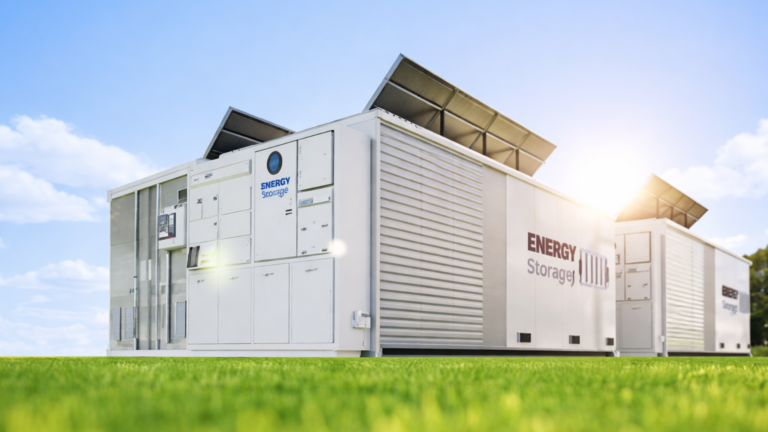
Author: PPD Team Date: March 22, 2026 The Central Electricity Regulatory Commission (CERC) has notified the Terms and Conditions of Tariff (Second Amendment) Regulations, 2026, establishing a tariff framework for battery energy storage systems (BESS) co-located with coal, lignite, and gas-based thermal generating stations, as well as interstate transmission infrastructure. Supplementary tariff for integrated storage The amendment introduces a supplementary tariff structure to recover costs of storage assets integrated with existing generating stations or transmission…