
CEA proposes technical standards for renewable plants and BESS construction
The Central Electricity Authority (CEA) has issued a draft amendment to its Technical Standards for Construction of Electrical Plants and Electric Lines Regulations, 2022, introducing a dedicated framework for renewable energy projects and battery energy storage systems (BESS). The draft, filed under F No. CEA-TH-17/1/2021-TETD Division, was opened for public comments in October 2025 and is now at the final stage. The amended regulations are scheduled to come into force on April 1, 2027, if notified.
The amendment introduces a new Chapter VI covering solar power plants (Part A), floating solar (Part A1), onshore wind (Part B), offshore wind (Part B1), and BESS (Part C). The BESS provisions, spanning regulations 142 to 153, establish baseline technical, operational, and safety requirements for storage systems, an area not previously addressed in Indian construction regulations.
The draft defines BESS as a stationary electrochemical storage system connected to the electricity network and formalises definitions for key components and parameters, including battery module, battery rack, battery container, battery management system, power conversion system, state of charge, state of health, depth of discharge, and ramp rate. These definitions create a standardised framework for procurement, certification, and grid integration.
Performance requirements include a minimum depth of discharge of 80%, power conversion system efficiency of at least 95% with an isolation transformer, and a minimum round-trip AC-to-AC efficiency of 70% including auxiliary consumption. Performance benchmarks are set at 90% of rated output after five years, 80% after ten years, and 70% after fifteen years. Systems with capacity of 50 MW and above are subject to additional requirements such as automatic generation control, grid-forming capability, and black-start functionality.
All BESS installations are required to support active power control, reactive power and voltage control, frequency response, fault and frequency ride-through, supervisory control and data acquisition (SCADA) and energy management system (EMS) integration, ramp rate control, and night mode operation. Communication protocols specified include IEC 60870-5-104, Modbus TCP, and IEC 61850 over Ethernet or fibre-optic links. Systems are required to store operational data for at least 90 days at a minimum sampling rate of 1,000 samples per second.
On safety, the draft mandates layered protection systems, physical separation of key components such as DC bus, inverter, and AC switchgear, and minimum spacing between enclosures based on battery chemistry. Battery containers are required to meet standards for weather, dust, corrosion, temperature, pressure, and vibration resistance. Each battery module must carry an RFID tag with details including cell type, manufacturer, country of origin, nameplate rating, serial number, and certification.
The amendment comes amid rapid growth in India’s BESS deployment, driven by hybrid renewable tenders. The absence of dedicated construction standards has led to inconsistencies in design and implementation. The proposed Chapter VI addresses this gap, while allowing the CEA to issue separate technical specifications for emerging battery technologies beyond those currently referenced.
The principal regulations were notified in December 2022, with an additional amendment issued in October 2025.
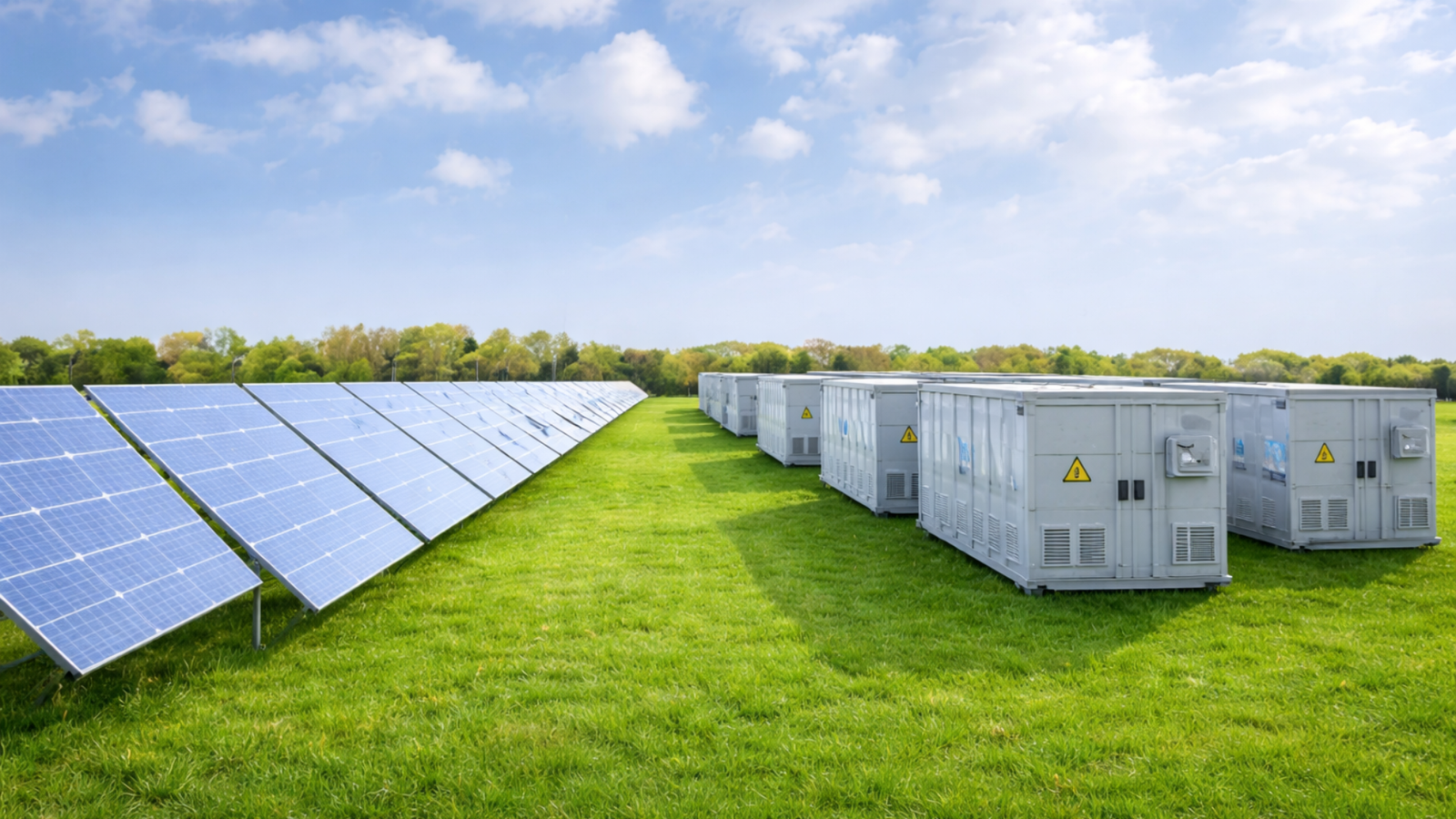
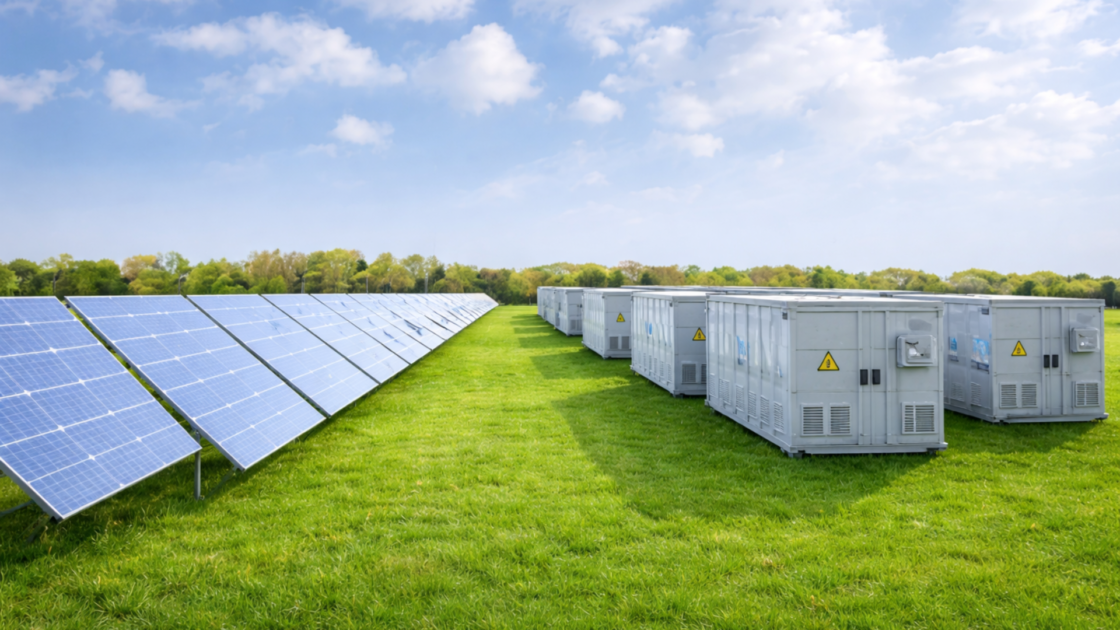
The featured photograph is for representation only.