Cabinet approves Rs 37,500 crore coal gasification scheme
The Union Cabinet, chaired by Prime Minister Narendra Modi, has approved a Scheme for Promotion of Surface Coal/Lignite Gasification Projects with a financial outlay of Rs 37,500 crore. The scheme aims to accelerate India’s coal and lignite gasification programme, support the target of gasifying 100 Million Tonnes (MT) of coal by 2030, strengthen energy security, and reduce import dependence on products such as liquefied natural gas (LNG), urea, ammonia, and methanol.
Alongside the scheme approval, the government has extended coal linkage tenure to 30 years under the “Production of Syngas leading to Coal Gasification” sub-sector in the Non-Regulated Sector (NRS) linkage auction framework. The move is intended to provide long-term policy clarity for investors in coal gasification projects.
The scheme provides incentives for new surface coal and lignite gasification projects producing synthesis gas (syngas) and downstream products. It targets gasification of around 75 million tonnes of coal and lignite. Financial support will be limited to a maximum of 20% of plant and machinery costs.
Project selection will take place through a competitive bidding process based on benchmarks related to project cost, coal input, and syngas output. Incentives will be released in four equal instalments linked to project milestones.
The government has capped incentives for a single project at Rs 5,000 crore. Incentives for any single product category, excluding Synthetic Natural Gas and urea, will be capped at Rs 9,000 crore, while a single entity group can receive up to Rs 12,000 crore across all projects.
The scheme allows developers to avail benefits under other central and state government schemes, as well as the commercial coal mining regime. It is also technology-neutral, though the use of indigenous technologies has been encouraged.
The government estimates the scheme could mobilise investments worth Rs 2.5-3.0 lakh crore. It is projected to generate around 50,000 direct and indirect jobs across 25 projects in coal-bearing regions.
According to the government, utilisation of 75 million tonnes of coal and lignite under the scheme could generate annual revenue of around Rs 6,300 crore, excluding additional collections through Goods and Services Tax (GST) and other levies.
The scheme is also aimed at strengthening India’s domestic coal gasification technology ecosystem and reducing dependence on foreign engineering, procurement and construction (EPC) contractors.
India has coal reserves of around 401 billion tonnes and lignite reserves of nearly 47 billion tonnes. Coal currently contributes over 55% of the country’s energy mix. Gasification converts coal and lignite into syngas, which can be used to manufacture fuels and chemicals domestically.
The government stated that India’s import bill for LNG, urea, ammonium nitrate, ammonia, coking coal, methanol, dimethyl ether (DME), and related products stood at around Rs 2.77 lakh crore in FY2025. It said recent geopolitical developments in West Asia highlighted the risks associated with import dependence.
The new scheme builds on the National Coal Gasification Mission launched in 2021 and the Rs 8,500 crore coal gasification scheme approved in January 2024. Under the earlier scheme, eight projects worth Rs 6,233 crore are currently under implementation.
According to the latest Central Electricity Authority (CEA) data as of April 30, 2026, coal-based power generation capacity stood at 221,898 MW, accounting for 41.30% of India’s total installed capacity of 537,264 MW.
The coal gasification scheme marks a broader policy shift towards using domestic coal reserves not only for electricity generation but also as feedstock for chemicals and industrial products, with the stated objective of reducing import dependence and supporting the Atmanirbhar Bharat and Make in India programmes.
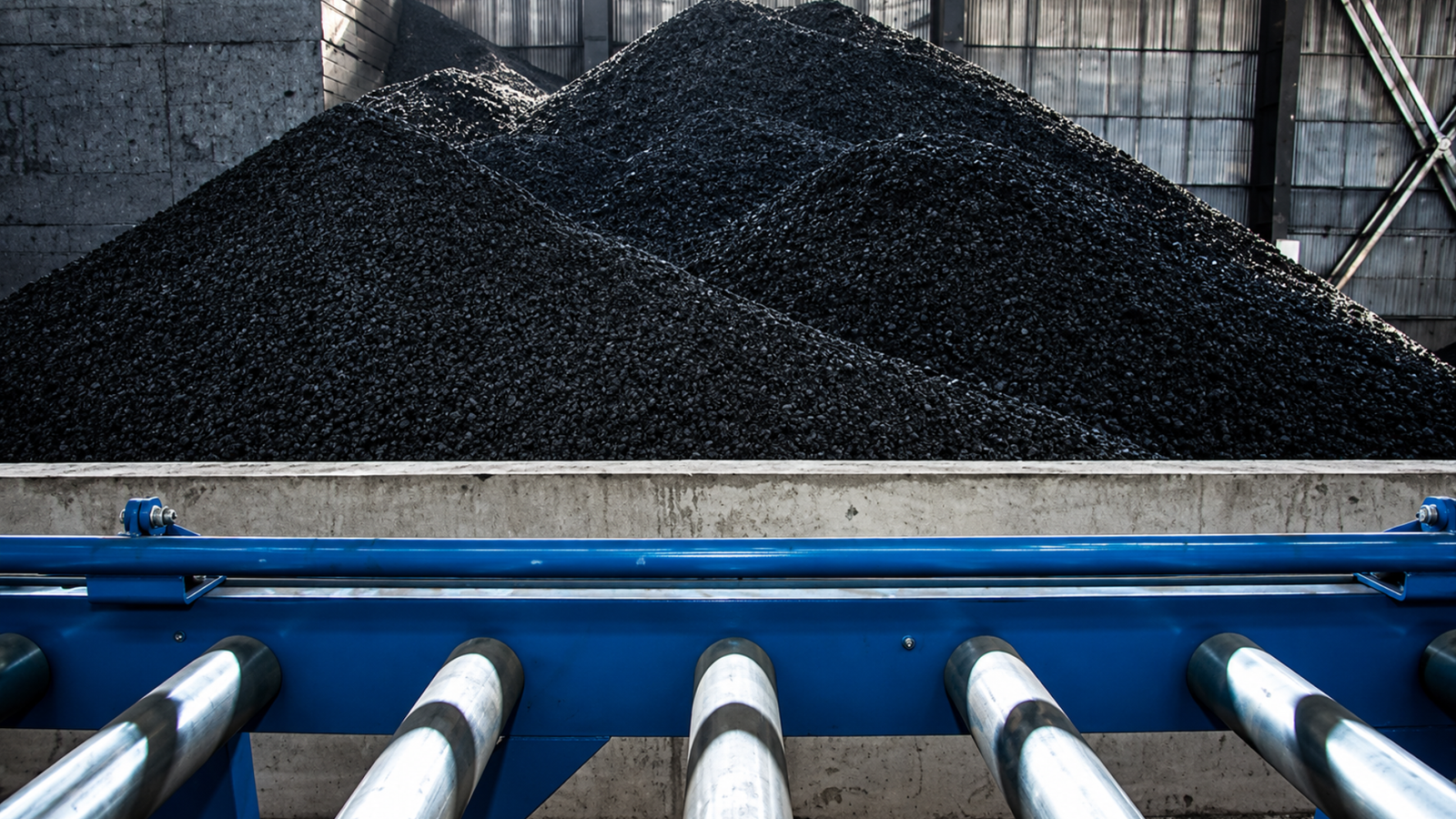
The featured photograph is for representation only.