EAC clears Adani’s Nivakane pumped storage project near tiger reserve buffer
The Expert Appraisal Committee (EAC) for River Valley and Hydroelectric Projects under the Ministry of Environment, Forest and Climate Change (MoEFCC) has recommended Environmental Clearance (EC) for Adani Green Energy Limited’s 2,700 MW Nivakane (Integrated) Pumped Storage Project in Satara district, Maharashtra.
The Rs 14,952 crore project, proposed near Marathwadi and Nivakane villages in Patan tehsil, will be developed as an off-stream closed-loop pumped storage scheme with 2,700 MW of peak generation capacity and a six-hour daily operating cycle. The project will use a rated head of 309 metres and is expected to generate 5,617.35 MU annually.
The recommendation is subject to conditions covering wildlife clearance, protection of natural springs and streams, seismic and landslide risks, muck disposal and socio-economic measures. The proposal will now be submitted to MoEFCC for final approval, subject to compliance with the stipulated conditions.
Project design
The project will comprise upper and lower reservoirs connected through an underground water conductor system. The upper reservoir will have a 64.5-metre-high Geomembrane Faced Rockfill Dam (GFRD), 859.74 metres long, with gross storage of 24.007 million cubic metres (MCM) at a Full Reservoir Level of EL 1068.00 m.
The lower reservoir will be formed by a 78.5-metre-high GFRD, extending 714.29 metres, with gross storage of 36.093 MCM at EL 751.00 m. An underground powerhouse measuring 235m × 25m × 56m will house 10 Francis reversible pump-turbine units comprising 8×300 MW and 2×150 MW. The water conductor system will include five steel-lined pressure shafts bifurcating into 10 unit pressure tunnels.
The scheme requires 361.82 hectares of non-forest private land. Water for initial filling will be sourced from the Sakhari-Chiteghar Dam, comprising 29.57 MCM for the pumped storage project and 7.62 MCM for irrigation. The lower reservoir will provide 7.62 MCM of dedicated storage as an ancillary irrigation component.
The Central Water Commission (CWC) cleared the project’s General Layout on May 26, 2025, and hydrology studies on June 3, 2025. The Central Electricity Authority (CEA) cleared power potential studies on May 3, 2024, for 2,700 MW capacity, 5,613.29 MU of annual energy generation and cycle efficiency of 78.62%.
Environmental issues
The project lies within the Western Ghats Eco-Sensitive Area under the draft notification. Koyna Wildlife Sanctuary and Sahyadri Tiger Reserve are the nearest protected areas, located approximately 0.15 km from the buffer zone of the reserve.
An EAC sub-committee conducted a site visit on November 26, 2024, and confirmed that the project components are outside protected areas. The underground powerhouse configuration was selected over surface alternatives to avoid slope stability issues.
The EAC has stipulated that prior approval from the Standing Committee of the National Board for Wildlife must be obtained. It has also sought aquifer mapping and an action plan for conservation of all natural springs and streams within a 10 km radius, along with development of dense native forests using the Miyawaki method in the study area.
Construction is expected to generate 82.02 lakh cubic metres of excavated material, which is to be disposed of at three designated sites with scientific stabilization. Disaster management measures must address landslide and earthquake risks, given that the region falls in seismic Zone IV and has a history of landslides.
The project’s Environmental Management Plan (EMP) carries a budget of Rs 154.64 crore, while the Corporate Environmental Responsibility (CER) budget stands at Rs 18.97 crore.
Local concerns
The public hearing held at Jawratwadi village on February 18, 2026, recorded significant opposition from local residents. Concerns included the potential impact of construction on natural springs and water availability in downstream villages, along with seismic and landslide risks.
A total of 346 project-affected families have been identified, of which approximately 25 families are expected to be displaced. Residents also raised unresolved rehabilitation issues associated with an earlier irrigation dam project undertaken between 1999 and 2010.
Questions were also raised about the Memorandum of Understanding signed with the Maharashtra government on September 3, 2024, including transparency around the project transfer.
As part of the socio-economic safeguards attached to the recommendation, measures including Reverse Osmosis (RO) plants, solar panels, schools and skill development centres are to be provided in affected villages.
The Nivakane project is among several pumped storage projects proposed in the Western Ghats region of Maharashtra as India expands grid-scale storage capacity to support renewable energy integration.
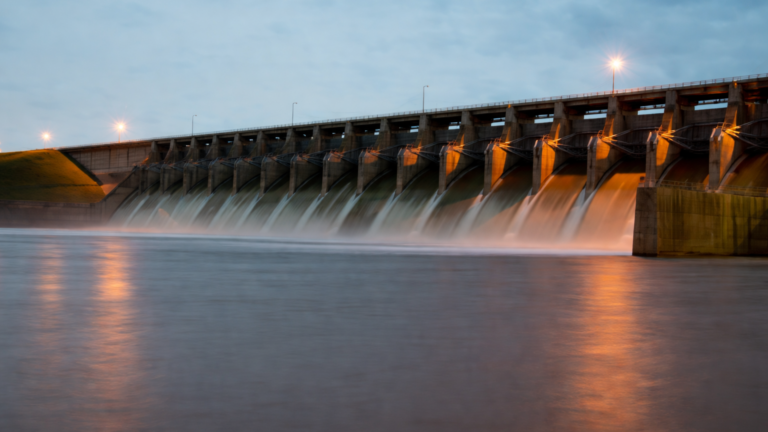
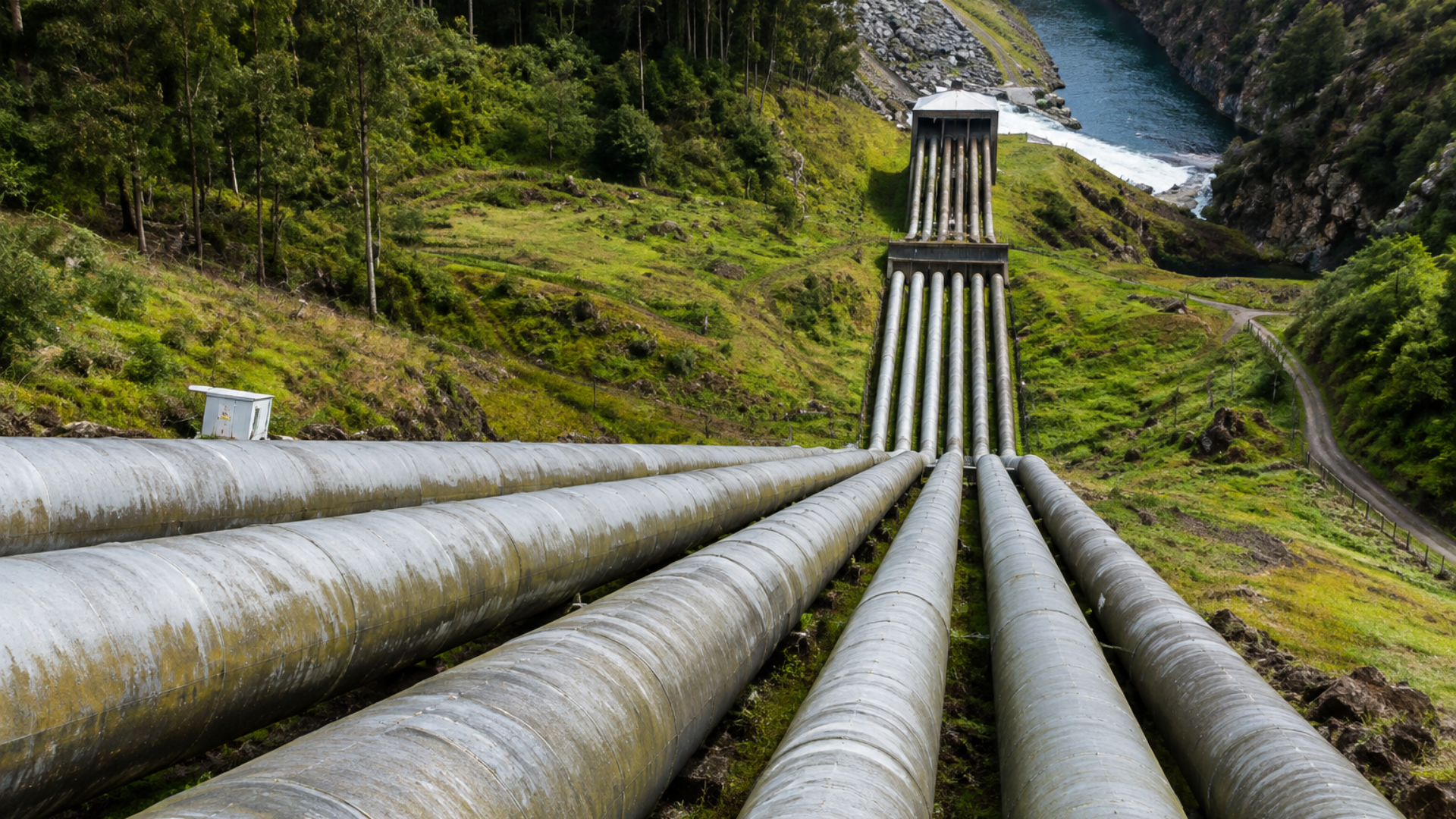
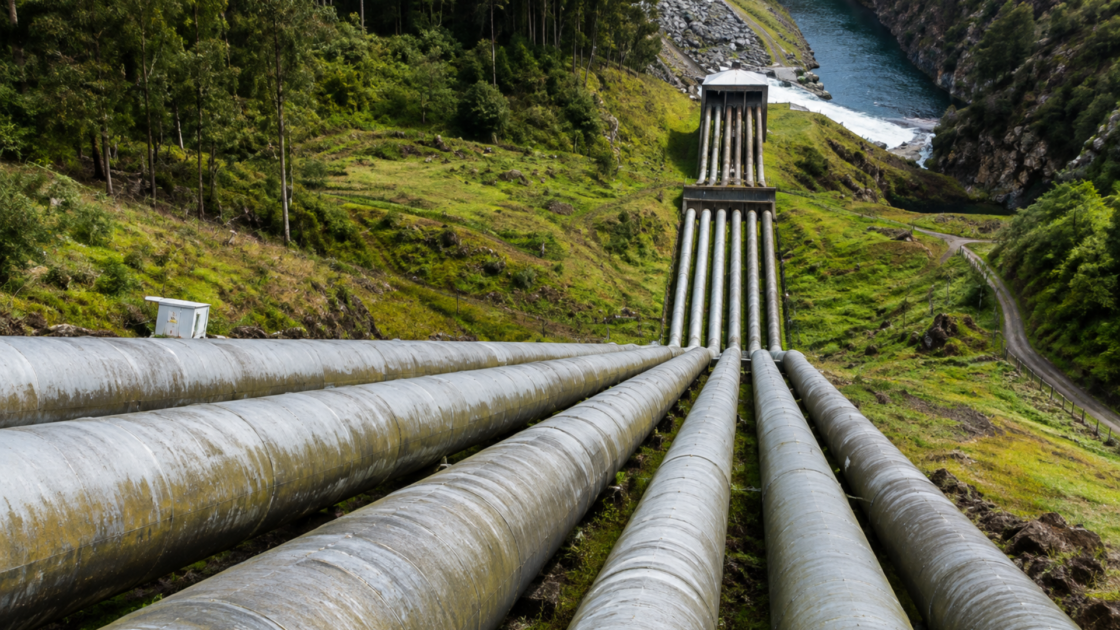
The featured photograph is for representation only.