Powergrid orders five ERS tower sets under national restoration plan
Power Grid Corporation of India Limited (Powergrid) has awarded a contract for the procurement of five Emergency Restoration System (ERS) tower sets at a cost of about Rs 17 crore each. The towers are scheduled for delivery by April 2027.
The procurement was disclosed during the 239th Operation Coordination Sub-Committee (OCC) meeting of the North Eastern Regional Power Committee (NERPC), held in Shillong on June 24, 2026.
Part of national procurement plan
The order forms part of a national plan approved by the Ministry of Power in August 2025. Under the plan, Powergrid will procure 20 ERS sets comprising 300 towers for deployment on 400 kV transmission lines. Four of these sets, containing 60 towers, have been allocated to the North Eastern Region.
The procurement is being funded through the Regulated Tariff Mechanism under the Public Procurement (Preference to Make in India) framework.
What are ERS towers?
Emergency Restoration System (ERS) towers are temporary, prefabricated transmission towers that can be rapidly assembled to restore damaged transmission lines after storms, floods, landslides and other disasters. They enable electricity supply to resume while permanent towers are reconstructed.
According to Powergrid, while the tower components are standard across the country, installation methods differ depending on terrain. In hilly areas, specialised teams use additional supports such as guy wires and ground anchors. The company cited the 132 kV Haflong-Jiribam transmission line as an example where this approach has been implemented.
Several utilities yet to procure ERS sets
The Ministry of Power’s 2014 guidelines require transmission utilities to maintain a minimum number of ERS sets based on the size of their transmission network. Utilities with less than 500 ckm may share equipment with neighbouring utilities. Those operating between 500 ckm and 5,000 ckm must maintain at least one ERS set, while larger networks require additional sets.
The review presented at the meeting showed that Powergrid, which operates about 9,000 ckm of transmission lines in the North Eastern Region, and Assam, with 5,426 ckm, each have the required two ERS sets.
However, KMTL, Manipur, Meghalaya, Mizoram and Nagaland are each required to maintain one ERS set but currently have none. Sterlite’s NBTL and MUML transmission projects are yet to finalise arrangements with an agency to meet the requirement. NTL (IndiGrid) relies on a single 16-tower ERS set owned by its parent company and shared across five regions, while NETC has one ERS set comprising 16 towers.
Arunachal Pradesh currently has no mandatory ERS requirement under the guidelines, although officials noted that the state’s mountainous terrain makes such equipment particularly useful.
States asked to accelerate procurement
Meghalaya and Manipur informed the committee that they have initiated the procurement process for ERS sets. Mizoram and Nagaland also agreed to begin procurement to comply with the Ministry of Power guidelines.
The Director (Operation), NERPC, also advised Arunachal Pradesh to consider procuring ERS equipment, noting that besides disaster response, ERS towers can help minimise outages during planned maintenance of critical transmission lines.
The committee directed Mizoram and Nagaland to initiate procurement, while Meghalaya and Manipur were asked to expedite their ongoing procurement processes.
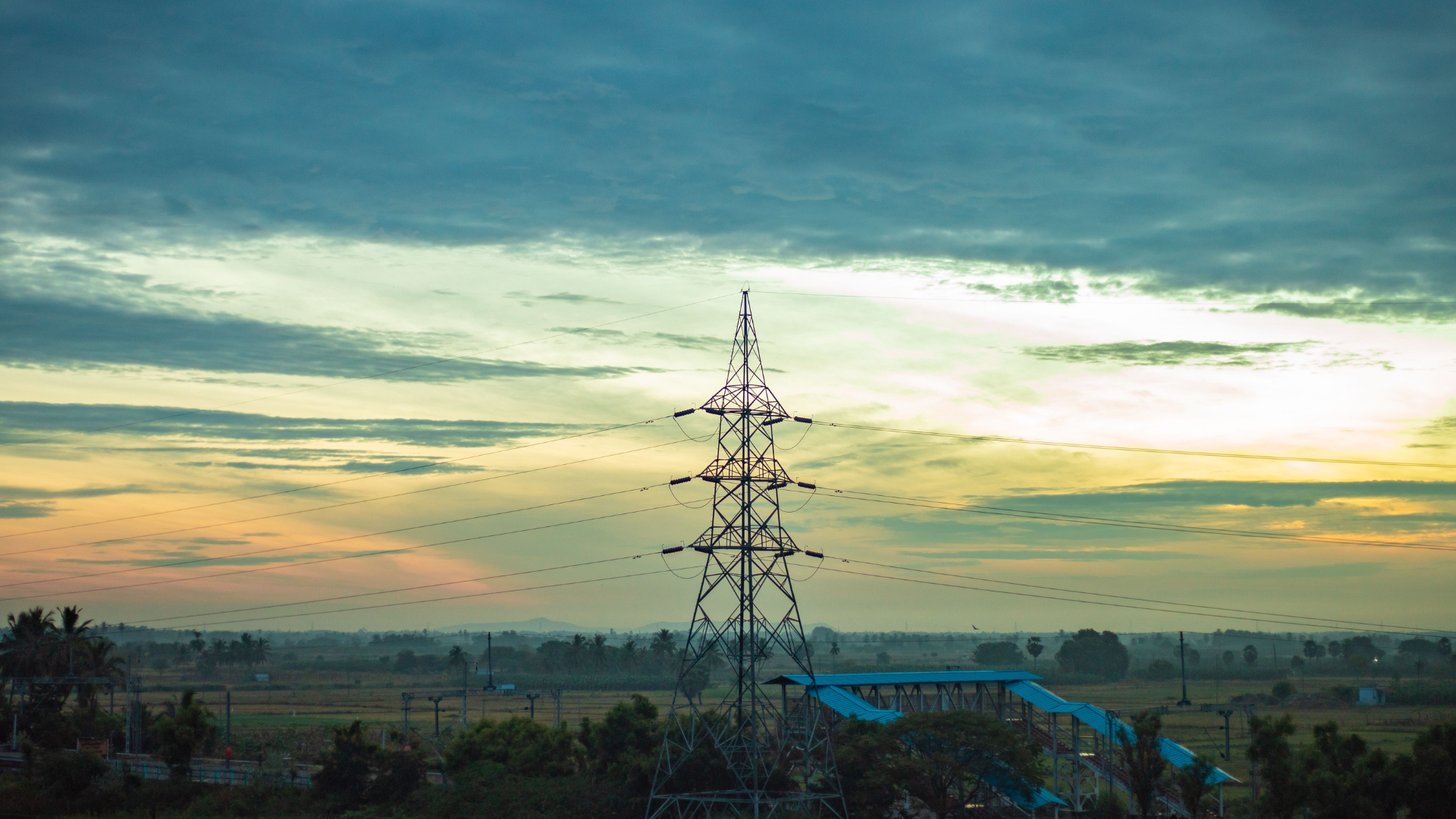
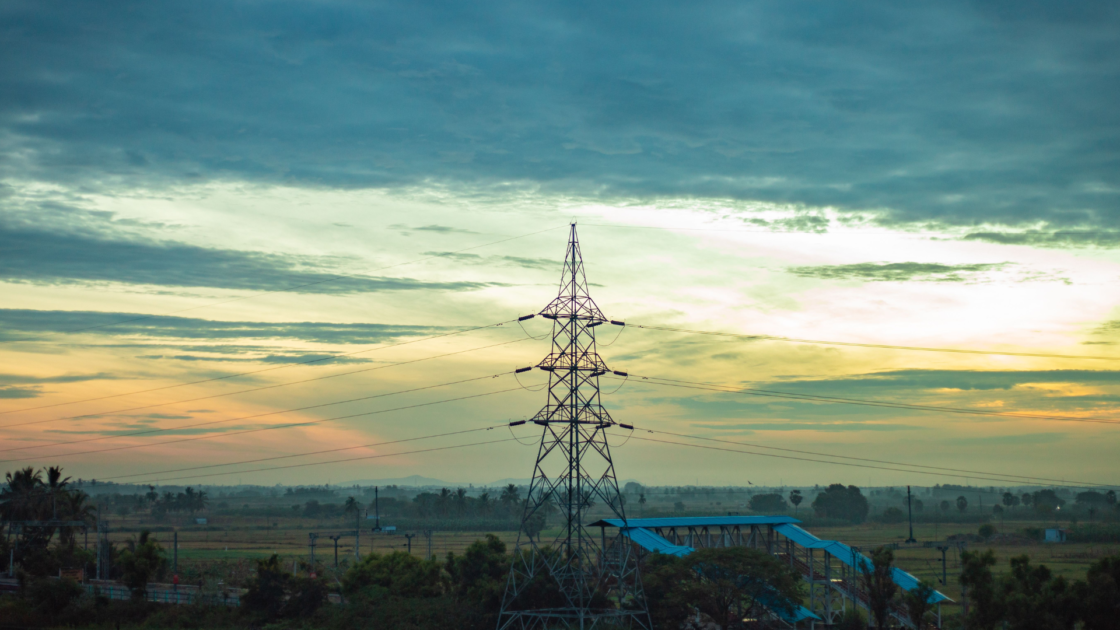
The featured photograph is for representation only.