Power Ministry issues draft National Electricity Data Sharing Framework 2026
The Ministry of Power has released the draft National Electricity Data Sharing Framework, 2026, and invited comments from stakeholders within 30 days. The framework seeks to standardise and streamline data sharing across India’s electricity sector, covering generation, transmission, distribution and market operations. Stakeholders can submit comments until July 21, 2026.
According to the Ministry, operational performance, consumer data, grid reliability and financial information are currently fragmented across generation companies, load despatch centres, distribution companies (discoms) and regulatory bodies, often in different formats. The draft framework aims to address these issues through a structured, voluntary mechanism for data sharing.
Framework provisions
The framework proposes the establishment of a National Electricity Data Centre (NEDC) and a National Electricity Data Portal (NEDP) to facilitate data sharing. It classifies datasets into two categories: Public datasets, which will be available through open access, and Access Controlled datasets, which will require registration. Public datasets include information such as installed capacity and renewable generation statistics, while Access Controlled datasets include feeder-level operational data and de-identified smart meter data.
The draft also includes a data classification matrix and de-identification guidelines aligned with the Digital Personal Data Protection (DPDP) Act, 2023. It requires each participating entity to appoint a Data Governance Officer to oversee data classification, access requests and grievance redressal. A two-tier grievance mechanism has also been proposed for resolving disputes related to data access.
To improve interoperability, the framework promotes Application Programming Interface (API)-based data exchange using the India Energy Stack and the national Open API platform, API Setu. It also provides for inter-sectoral data sharing with transport, urban planning, climate action and financial services while ensuring compatibility with the India Datasets platform (data.gov.in).
The Ministry has recommended that electricity regulators permit the pass-through of reasonable implementation costs in utilities’ annual revenue requirements, subject to prudence checks. It has also mandated cybersecurity compliance with CERT-In and National Critical Information Infrastructure Protection Centre (NCIIPC) guidelines for all data hosting infrastructure.
The draft framework includes an indicative list of more than 60 recommended public datasets covering generation capacity, outage reports, transmission losses, Aggregate Technical and Commercial (AT&C) losses, tariff schedules, grid frequency and renewable energy progress. According to the Ministry, the framework is intended to improve transparency, support AI-driven innovation and facilitate India’s clean energy transition through secure and standardised data sharing.
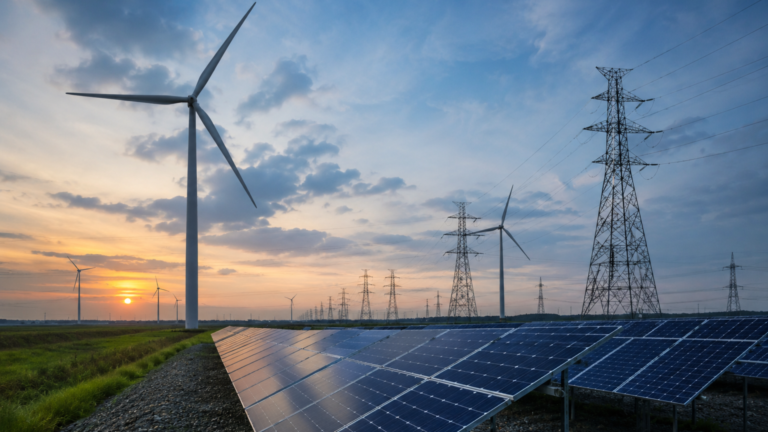
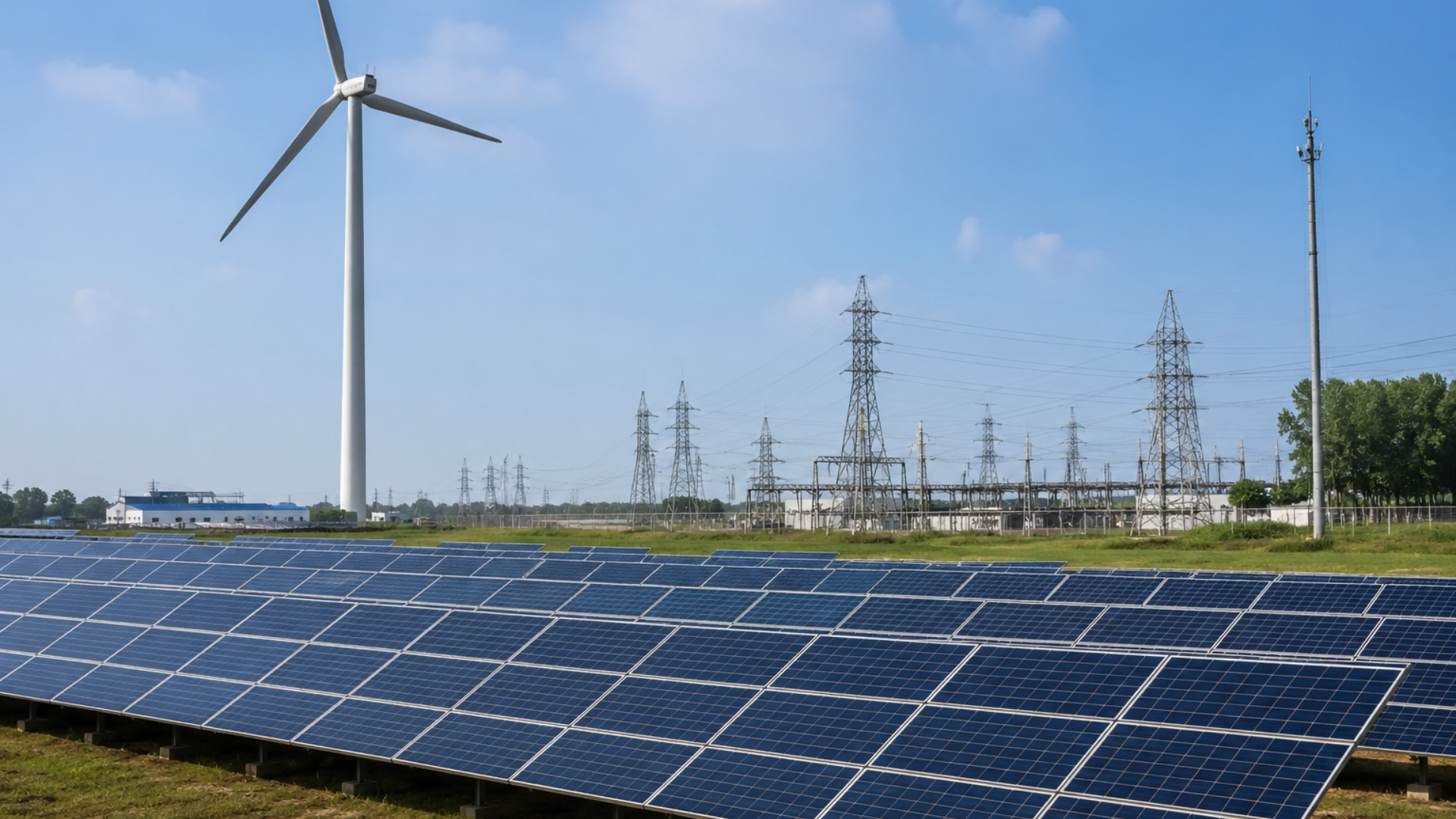
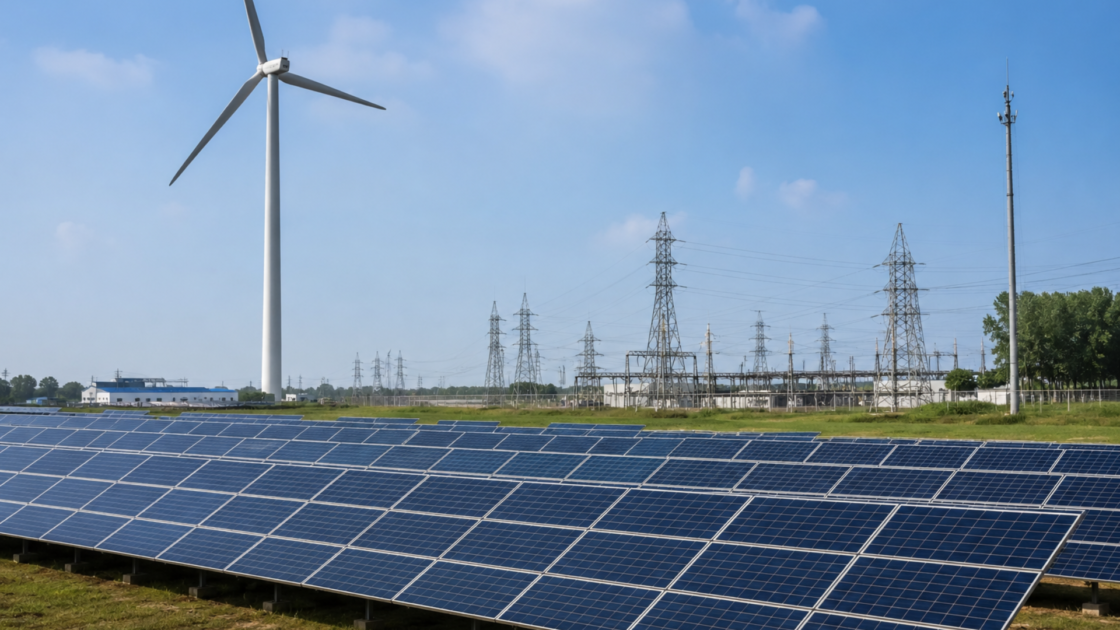
The featured photograph is for representation only.