
33 GW stuck in Rajasthan and Gujarat renewable zones as CTUIL struggles with planning, CERC memo shows
The Central Electricity Regulatory Commission (CERC) has published the explanatory memorandum accompanying the draft fourth amendment to the Connectivity and General Network Access (GNA) Regulations, 2022, providing fresh details on transmission planning constraints, stakeholder representations and the rationale behind the proposed regulatory changes. The draft amendment was issued on May 20, 2026, and comments were invited until June 22, 2026.
60 GW connectivity backlog
The memorandum states that the Central Transmission Utility of India Limited (CTUIL) is unable to plan transmission systems for around 60 GW of projects holding in-principle connectivity.
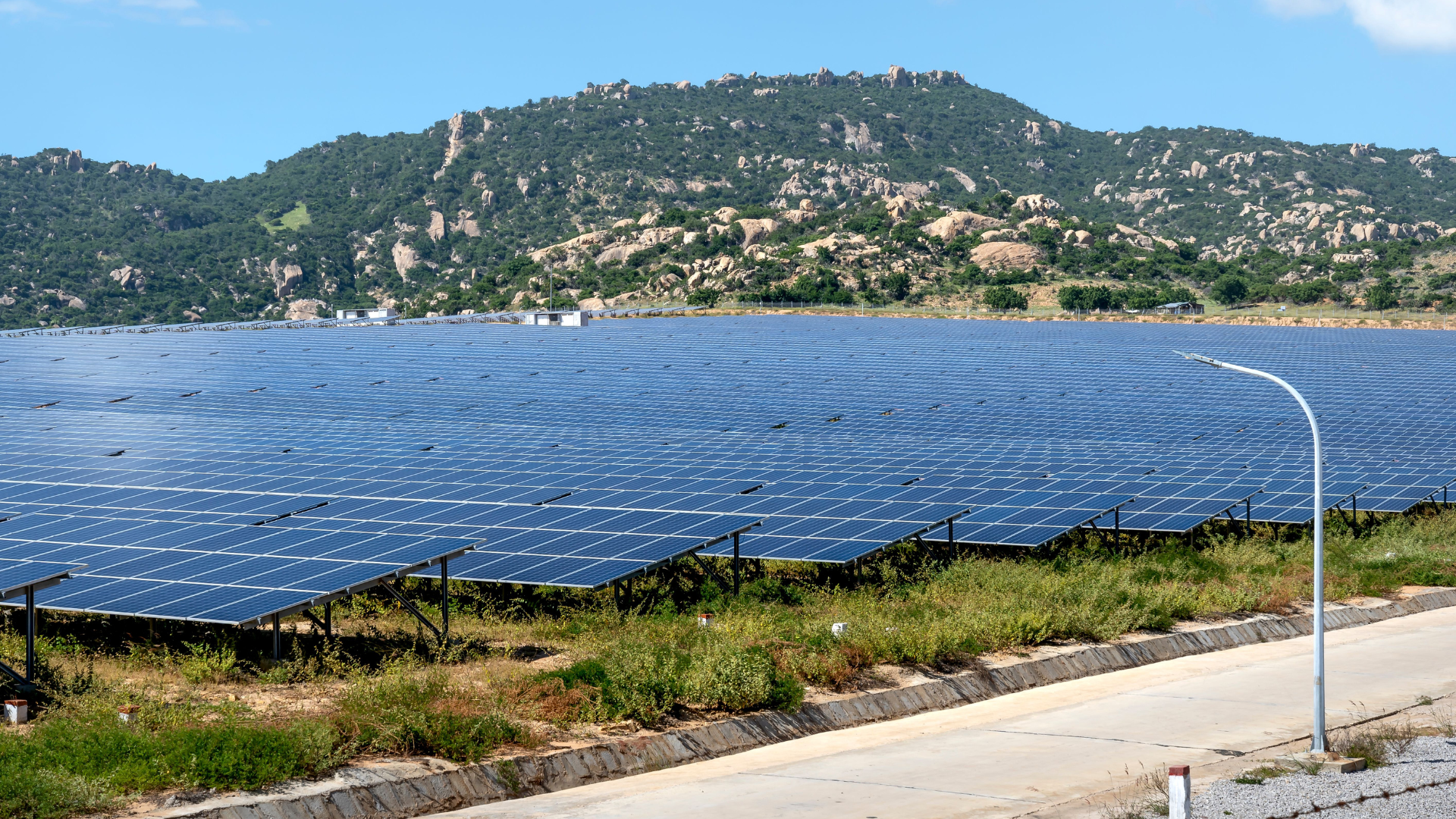
Of this, about 33 GW is concentrated in renewable energy zones such as Bhadla, Bikaner, Barmer, Ramgarh, Kutch and Khawda.
According to CTUIL, the challenges stem from limited load growth, surplus generation during solar hours, uncertainty over future demand from green hydrogen, green ammonia and data centres, lack of GNA enhancement by states, and technical minimum constraints of thermal power plants.
The memorandum refers to a Ministry of Power meeting held on April 29, 2026, where CTUIL sought regulatory changes to allow closure of connectivity applications where transmission systems cannot be identified.
Transmission delay example
To support a proposal linking financial closure requirements to GNA effectiveness rather than scheduled commercial operation dates (SCOD), the memorandum cites delays in the Khetri-Narela 765 kV transmission line.
The line had an SCOD of November 10, 2023, but was commissioned only on December 5, 2025, after multiple revisions to the expected commissioning timeline.
Stakeholder inputs
The memorandum references representations from several stakeholders, including Juniper, ACME, NTPC, EDEN Renewable, the National Solar Energy Federation of India (NSEFI) and Avaada.
The submissions cover issues such as source change flexibility, conversion of connectivity routes, connectivity for expansion projects, exemptions for renewable energy projects dedicated to energy storage systems, and alignment of financial closure timelines with transmission readiness.
Dual connectivity debate
The memorandum also summarises stakeholder views on allowing dual connectivity for bulk consumers.
While generators and bulk consumers largely supported the proposal, Grid India and the Central Electricity Authority (CEA) opposed it, citing operational complexities and concerns over transmission system optimisation.
GNA transfer provision
The memorandum cites a March 9, 2026 letter from CTUIL regarding Tata Steel Limited’s request to transfer 68 MW of GNA-RE to Indian Metals & Ferro Alloys Limited (IMFA) following the sale of a load.
As existing regulations do not provide for such transfers, CERC has proposed a new Regulation 23A.
Bank guarantee relief
A proposed Regulation 37.11 would allow the return of Conn-BG2 and Conn-BG3 within one month for projects whose commercial operation date occurred more than one year before the fourth amendment takes effect, subject to clearance of outstanding transmission charges.
Cross-border provisions
The memorandum confirms that cross-border electricity provisions will be removed from the GNA Regulations following amendments to the CERC (Cross Border Trade of Electricity) Regulations, 2025.
Next steps
After reviewing stakeholder comments, CERC is expected to finalise and notify the fourth amendment regulations.
The featured photograph is for representation only.