India’s oldest nuclear plant gets a new lease of life as Tarapur Unit 2 rejoins the grid
The Nuclear Power Corporation of India Limited (NPCIL) has announced the synchronisation of Unit 2 of the Tarapur Atomic Power Station (TAPS) with the National Grid following an extensive refurbishment and modernisation programme. TAPS Unit 1 is already operational, enabling both units to generate electricity simultaneously.
The development marks a significant milestone for India’s oldest nuclear power station, which has been supplying electricity to the grid for more than five decades. NPCIL said the operation of both units reflects the station’s continued contribution to the country’s energy security through clean, reliable and low-carbon power generation.
Regulatory approval
The restart follows approval granted by the Atomic Energy Regulatory Board (AERB) on May 7, 2026. The regulator authorised the restart of TAPS Unit 2 after reviewing refurbishment activities, safety upgrades and inspection findings related to the reactor.
The approval allows the unit to continue operations for another decade following the completion of the refurbishment programme undertaken by NPCIL.
Refurbishment and modernisation
According to NPCIL, the refurbishment and modernisation programme was aimed at extending the operational life of the unit while maintaining safety and reliability standards. The successful synchronisation of Unit 2 and the continued operation of Unit 1 demonstrate the effectiveness of these efforts.
NPCIL stated that the achievement highlights India’s indigenous capabilities in nuclear power operations, engineering and plant life-extension activities, supported by established safety practices.
Dr. Ajit Kumar Mohanty, Secretary, Department of Atomic Energy (DAE) and Chairman, Atomic Energy Commission (AEC), visited Tarapur on June 17, 2026, to review the recently granted 10-year life extension of TAPS 1 and 2. During the visit, he inaugurated the Primary Coolant Pump Test Facility (PCPTF). He praised the dedication of NPCIL’s team, stating the achievement reflects India’s technological self-reliance.
Commissioned in 1969, TAPS 1&2 marked the beginning of commercial nuclear power generation in the country and established Tarapur as the first nuclear power station in Asia outside the Soviet bloc. Over the past five and a half decades, the station has played a foundational role in shaping India’s nuclear engineering capabilities, operational practices and safety culture. Over the years, TAPS 1&2 have generated more than 100 billion units of clean electricity, contributing significantly to the nation’s energy security while avoiding over 86 million tonnes of carbon dioxide equivalent emissions.
The continued operation of TAPS 1&2 reinforces India’s commitment to clean energy, energy security and sustainable development while preserving the legacy of one of the nation’s most significant scientific and technological achievements. As India advances towards the vision of Viksit Bharat, nuclear power will play an increasingly important role in delivering reliable, round-the-clock and low-carbon electricity.
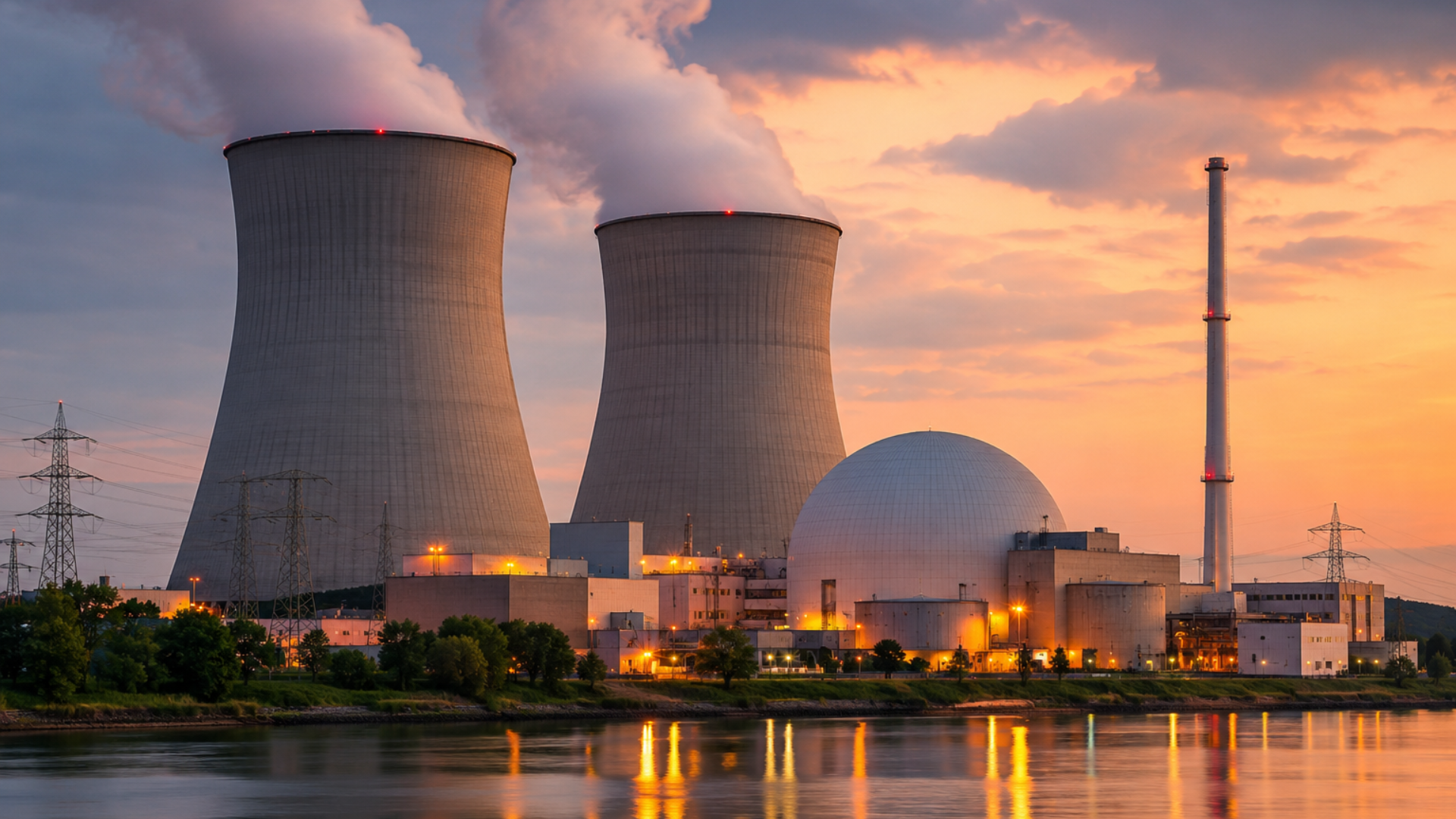
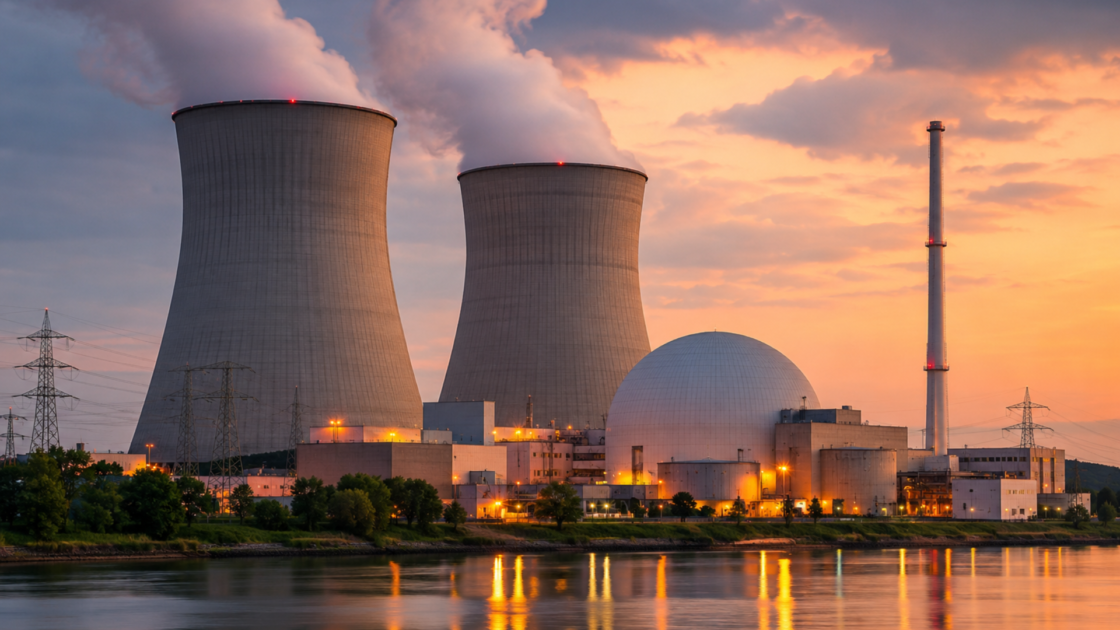
The featured photograph is for representation only.