MNRE launches WT-MARUT portal for wind turbine supply chain management
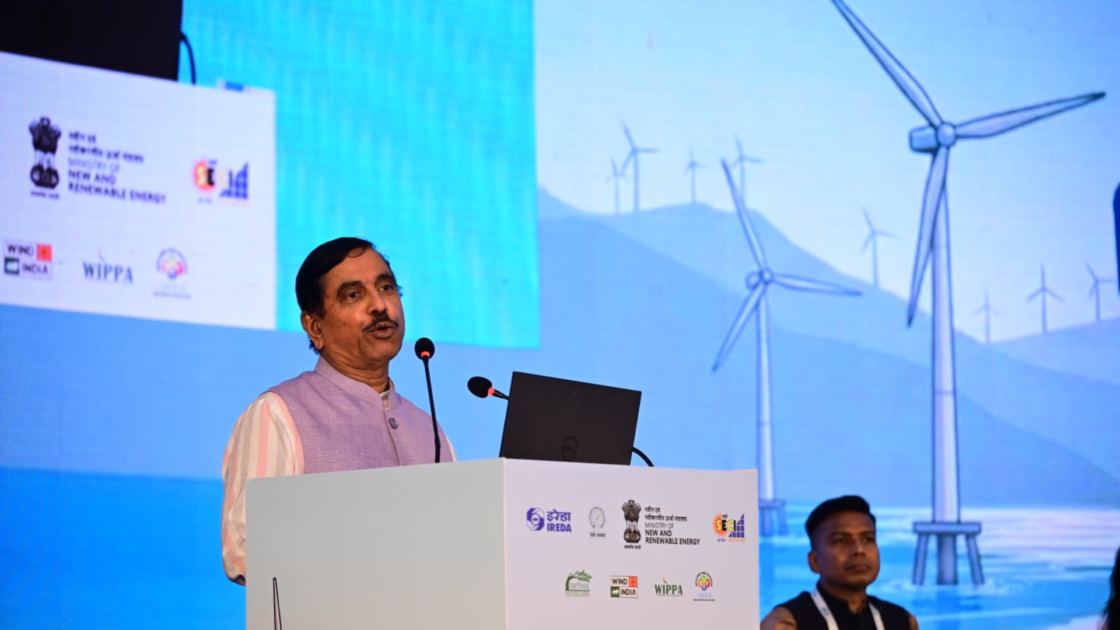
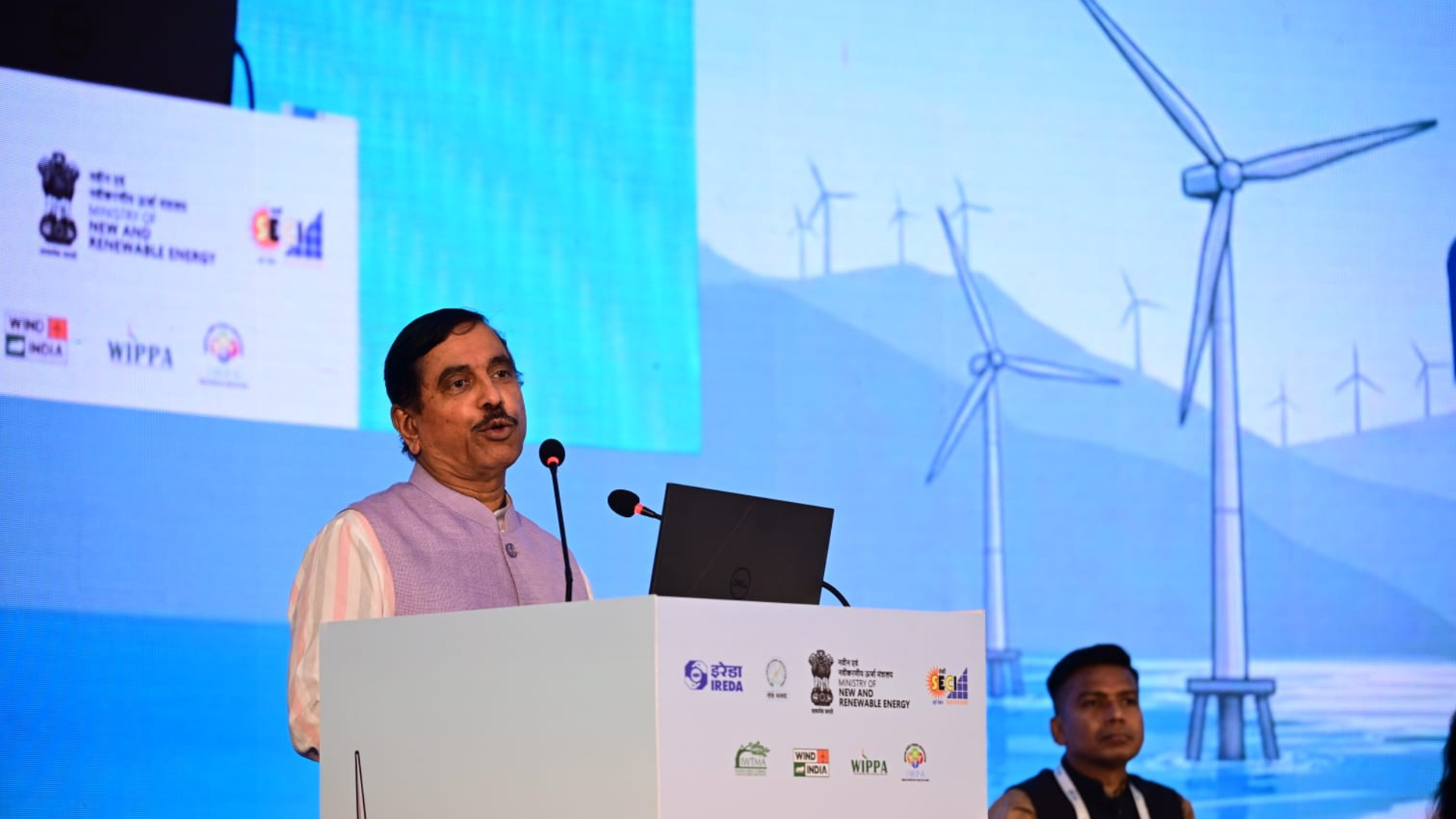
The Ministry of New and Renewable Energy (MNRE) has launched the WT-MARUT (Wind Turbine Materials and Resources Utility Tracker) portal, a dedicated platform for wind turbine supply chain management aimed at improving transparency and strengthening domestic sourcing in the wind energy sector.
Union Minister for New and Renewable Energy Pralhad Joshi launched the portal during the Global Wind Day Conference 2026 in Goa. The event was attended by Union Minister of State for New and Renewable Energy Shripad Yesso Naik, Goa Minister for New and Renewable Energy Sudin Dhavalikar, and MNRE Secretary Santosh Kumar Sarangi, along with industry representatives and manufacturers.
Supply chain platform
WT-MARUT has been developed under the aegis of MNRE with support from the Indian Wind Turbine Manufacturers Association (IWTMA). The platform is designed to facilitate supplier discovery, improve supply chain visibility and support domestic sourcing under the Approved List of Models and Manufacturers (ALMM) framework.
According to MNRE, the portal is expected to strengthen the domestic wind manufacturing ecosystem and support India’s export capabilities.
Wind sector growth
Addressing the conference, themed “Wind Energy: From Ambition to Acceleration”, Joshi highlighted the growth of India’s wind energy sector.
India added a record 6.1 GW of wind capacity during FY 2025-26, representing a 46% increase over the previous year. The country’s cumulative installed wind capacity has now exceeded 56 GW.
Joshi also stated that higher wind energy penetration in the power system could generate economic benefits of nearly Rs 2.3 lakh crore.
Manufacturing and targets
The minister noted that India’s annual wind turbine manufacturing capacity has increased from 10 GW in 2014 to 24 GW currently.
He also highlighted the country’s estimated wind energy potential of 1,164 GW at a hub height of 150 metres. India has set targets of achieving 100 GW of installed wind capacity by 2030 and 156 GW by 2036.
Non-fossil energy goals
Shripad Yesso Naik said that more than half of India’s installed electricity generation capacity now comes from non-fossil fuel sources.
He reiterated India’s target of achieving 500 GW of non-fossil fuel capacity by 2030 and reaching net-zero emissions by 2070. According to Naik, wind energy will play an important role in supporting grid stability and complementing solar power as renewable energy capacity expands.
He also noted that India achieved its Nationally Determined Contribution (NDC) target of 50% non-fossil capacity in 2025, five years ahead of schedule.
Photo credit: PIB