
Why compensatory afforestation remains a weak link for thermal plants
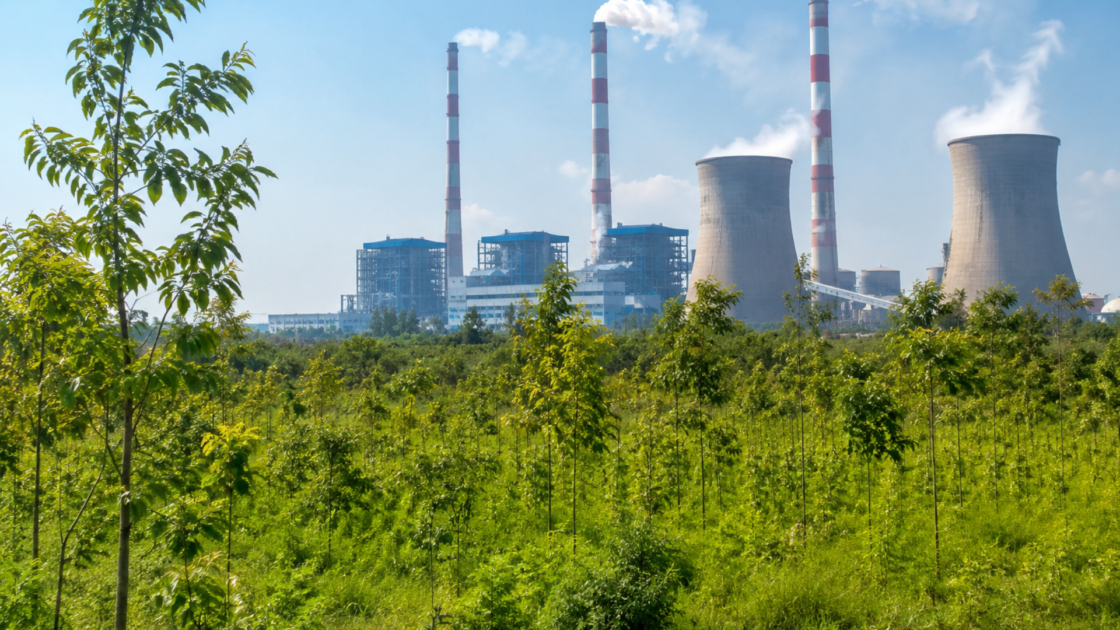
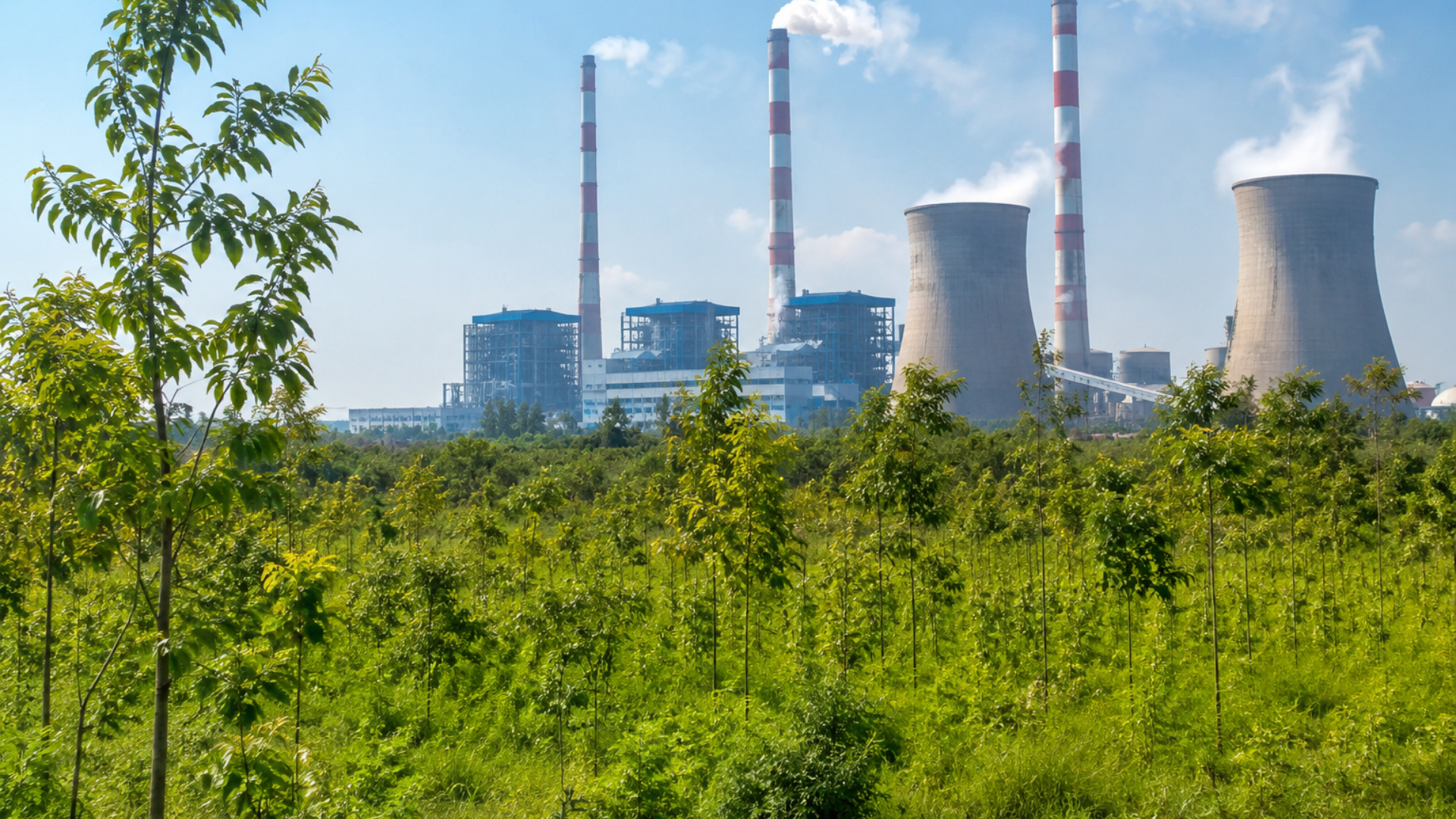
This World Environment Day, as plantation numbers once again dominate corporate sustainability narratives, Power Peak Digest examines a recurring gap in India’s thermal power sector: compensatory afforestation projects where survival rates remain far below mandated levels years after plantation activity is completed.
Under the Forest (Conservation) Act, 1980, and the Compensatory Afforestation Fund (CAF) Act, 2016, thermal power projects diverting forest land are required to provide non-forest land for afforestation in a 1:1 ratio. In states where forest cover is below 10% of the geographical area, the requirement increases to 2:1. Developers are also required to pay the Net Present Value (NPV) of ecological damage, currently ranging from Rs 5.8 lakh to Rs 9.2 lakh per hectare depending on forest density and quality.
Audit findings
A Forest Research Institute (FRI) report submitted to a State Forest Department in March 2021 found that the average survival percentage of plantations stood at 33.51%, against the mandated target of 60-65%.
The report examined compensatory afforestation carried out on 21.28 hectares between 2017 and 2020 at a cost of Rs 22.08 lakh. During physical inspections, auditors found low survival rates across plantation sites. Field staff attributed the losses to steep and rocky terrain, competition from large pine trees, and movement of domestic animals and local residents through plantation areas.
Similar observations have appeared in multiple Comptroller and Auditor General (CAG) reports across states. The audits repeatedly identified poor site selection, inadequate soil preparation, weak maintenance practices, and lack of long-term watering arrangements as major reasons for plantation failure.
Maintenance gap
A retired Gujarat State Electricity Corporation Limited (GSECL) official told Power Peak Digest that long-term maintenance remains one of the weakest aspects of plantation activity at many thermal power plants.
The official said he had overseen the planting of 10,000 saplings in 2020 and 2021 before retirement. While water supply arrangements and dedicated personnel were deployed during the plantation phase, he said long-term survival depended on sustained monitoring and upkeep. Many plantation drives receive attention during the initial stage but lose focus later.
Referring to Tata Power’s Mundra thermal power project in Gujarat, the official said the company followed a more structured approach that included soil testing, land preparation, climate-suitable plant varieties, and continuous monitoring.
Mundra example
According to the official, more than one lakh trees were planted at the Mundra project site. Certain areas were also used to grow green fodder for cattle belonging to nearby villages under a corporate social responsibility (CSR) initiative.
The project benefited from dedicated water availability through a desalination plant connected to the thermal facility. Cooling tower outlet water was discharged back to the sea through a gravity canal system while maintaining ambient temperature levels in line with environmental norms.
The official also said plantation growth was monitored regularly and that, after five years, the initiative was transferred to a cooperative structure involving villagers.
The official added that he had conducted a fire and safety project study at Tata Power Mundra, following which fire teams were sent to the plant for orientation.
Policy focus
India’s environmental compliance framework is increasingly shifting from plantation targets to survival-based assessment. Under the Green Credit Programme, ecological credits are linked to long-term tree survival rather than the number of saplings planted.
Audit findings and field observations indicate that thermal power projects reporting better plantation outcomes generally combine scientific land preparation, climate-suitable species selection, assured water supply, and long-term monitoring.
While compensatory afforestation funding and regulatory provisions are already in place, survival rates continue to remain a major challenge across several thermal power projects.


