
CEA panel outlines phased shift away from SF₆ in substations
The Central Electricity Authority (CEA) has released a committee report recommending a phased transition away from sulphur hexafluoride (SF₆) gas in high-voltage substations, citing its high greenhouse impact and emerging global restrictions. The report, published by a six-member technical committee under the Ministry of Power, evaluates alternatives under “Green GIS” technologies that replace SF₆ with lower-emission insulating media.
SF₆ has long been used in gas-insulated substations (GIS) due to its strong dielectric and arc-quenching properties. However, the gas has a global warming potential of 24,300 times that of CO₂ and remains in the atmosphere for over 3,000 years. International regulations are tightening. The European Union’s F-Gas Regulation (2024/574) restricts new SF₆ switchgear up to 145 kV from 2028, extending to higher voltages by 2032. California and Norway have also introduced phase-out timelines and taxation measures. India has not yet set formal deadlines, but the report indicates a policy shift in that direction.
The committee assessed multiple alternative technologies offered by global original equipment manufacturers (OEMs). These include fluoronitrile-based gas mixtures used by Hitachi Energy and GE Vernova, which reduce global warming potential by around 99% while maintaining similar equipment footprint. Siemens Energy’s Blue technology uses vacuum interruption with clean air insulation, eliminating fluorinated gases but requiring more space. Toshiba and Hyosung are also developing natural gas mixture and fluoronitrile-based solutions, with products at different stages of commercialisation and testing.
Cost remains a key constraint. Green GIS systems currently cost six to eight times more than conventional SF₆-based equipment, largely due to import dependence. Execution timelines are estimated to be 20 to 25% longer. The committee draws parallels with the early adoption phase of SF₆ technology in India, when costs declined after local manufacturing scaled up. It notes that domestic production of fluoronitrile by Laxmi Organic Industries could partially support future supply, with current capacity estimated to meet demand for 3,000 to 3,500 bays of 132 kV systems.
The report proposes a phased adoption strategy. Pilot projects at 132 kV and selected 400 kV applications are targeted for 2027–28, including retrofitting trials in existing substations. Based on outcomes, SF₆-free technologies would be introduced from 2029–30 or 2030–31, initially covering 10% of new GIS installations under the next National Electricity Plan (2027–28 to 2031–32), with incremental increases in subsequent plans. Full retrofilling of existing GIS is not considered technically feasible, particularly for switching equipment, and would require full replacement.
Testing infrastructure gaps have been identified, including capabilities for gas tightness, electromagnetic compatibility, enclosure pressure withstand, and X-radiation testing. The committee has recommended that the Central Power Research Institute (CPRI) develop these facilities, especially at its Hyderabad lab. At present, India has infrastructure for ten of the fourteen required IEC type tests.
On policy, the report suggests financial and regulatory support mechanisms. These include studying international funding models such as Japan’s Green Innovation Fund and the European Union’s LIFE Programme, incorporating SF₆-free switchgear into India’s Climate Finance Taxonomy, and enabling carbon credit generation under Articles 6.2 and 6.4 of the Paris Agreement. It also recommends moving from lowest-cost (L1) procurement to a Quality and Cost Based Selection (QCBS) framework for such projects.
The committee highlights the need for domestic manufacturing as a long-term requirement. Existing GIS manufacturing facilities operated by major OEMs in India could be adapted for Green GIS production if demand visibility improves. It notes that a clear phase-out roadmap would be necessary to support investment decisions, alongside existing local content requirements under Make in India procurement guidelines.
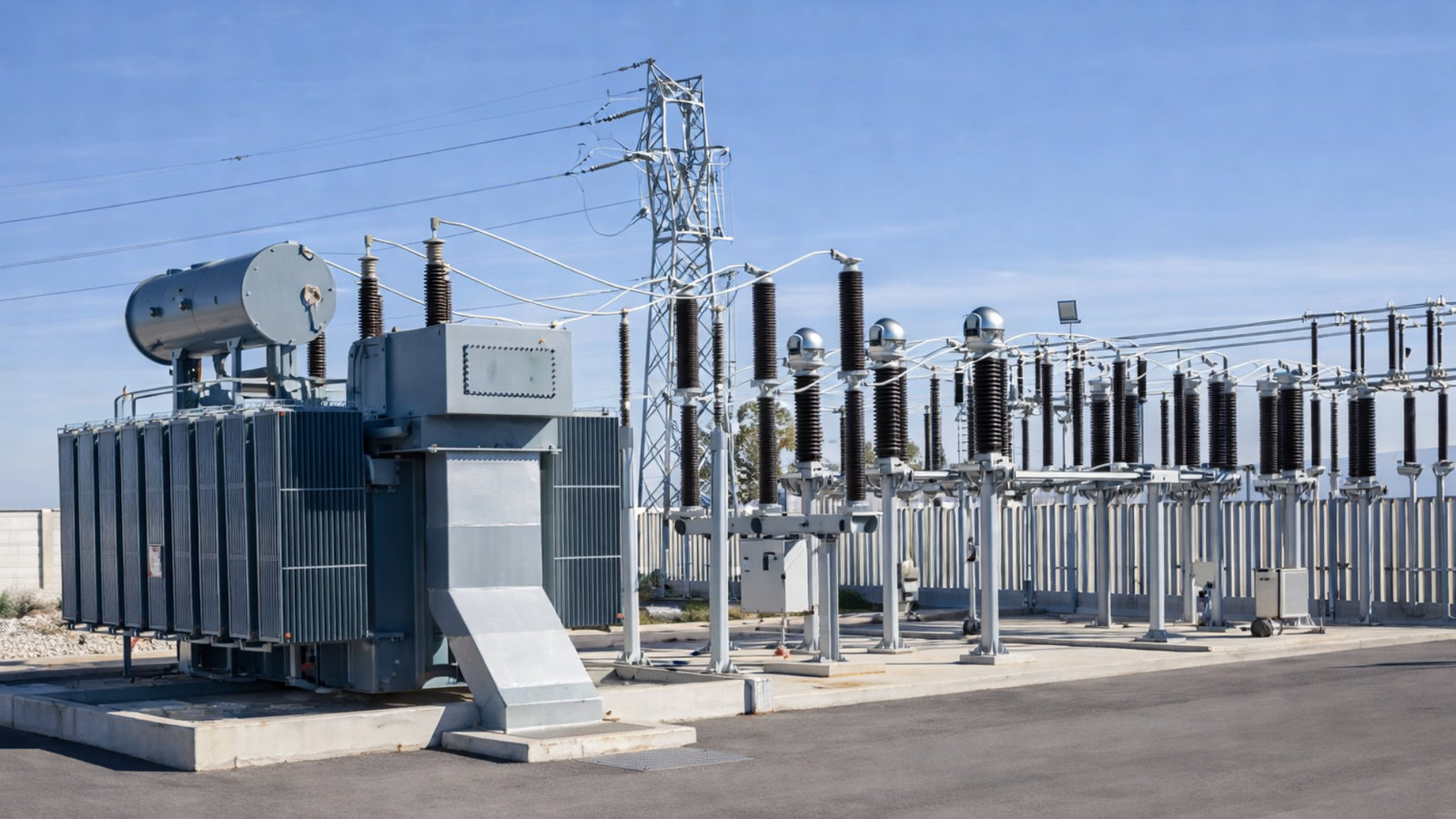
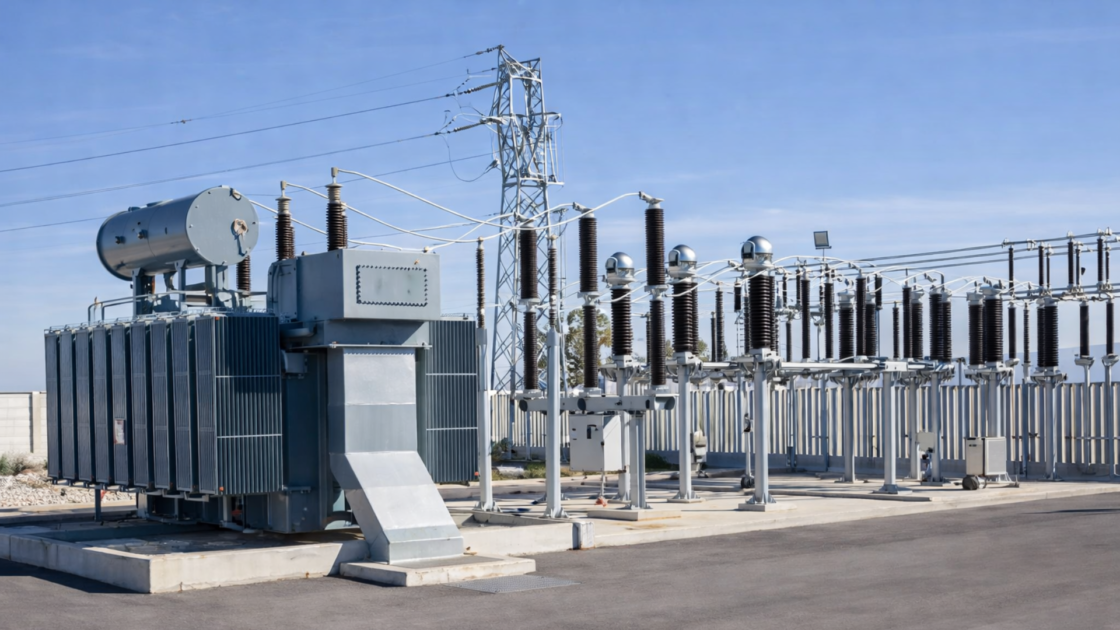
The featured photograph is for representation only.

