Tata Motors secures over 3,400 electric commercial vehicle orders
Tata Motors has secured more than 3,400 electric commercial vehicle (eCV) orders across freight, logistics and passenger mobility segments, signalling growing adoption of electric mobility in India’s commercial transport sector. The orders include vehicles for e-commerce, logistics, FMCG distribution, public transport and heavy-duty industrial applications.
The order book comprises around 2,000 small commercial vehicles (SCVs) and pick-ups, 900 trucks and 500 buses. The vehicles will be deployed across a range of applications, including intra-city logistics, passenger transport, cement, steel, mining and tarmac operations.
Vehicle portfolio
Over the past 12 months, Tata Motors has expanded its electric commercial vehicle portfolio across multiple segments.
In the SCV and pick-up category, the Ace Pro EV, Ace EV and Intra EV are being deployed for last-mile and intra-city distribution. The company has also expanded into intermediate and heavy commercial vehicle segments through the Ultra EV range (7-12T), along with the Prima EV 55T tractor and Prima EV 28T tipper.
For passenger transportation, the company offers Starbus EV and Ultra EV buses for intra-city and inter-city operations.
Operational deployment
Tata Motors said it currently operates more than 3,800 electric buses across multiple cities. These buses have collectively covered over 55 crore kilometres.
The company also has more than 17,000 electric SCVs in operation. According to Tata Motors, operational data from these vehicles is being used to improve reliability, efficiency and lifecycle performance.
Supporting ecosystem
To support wider adoption of electric commercial vehicles, Tata Motors has developed an ecosystem that includes charging infrastructure, financing solutions and fleet management services.
The company has partnered with more than 14 charge point operators to expand charging access. It also offers EV-focused financing through banks and non-banking financial companies (NBFCs), along with fleet monitoring through its Fleet Edge platform and uptime assurance programmes.
The latest orders indicate increasing deployment of electric commercial vehicles beyond pilot projects and into regular commercial operations across freight and passenger transport segments.
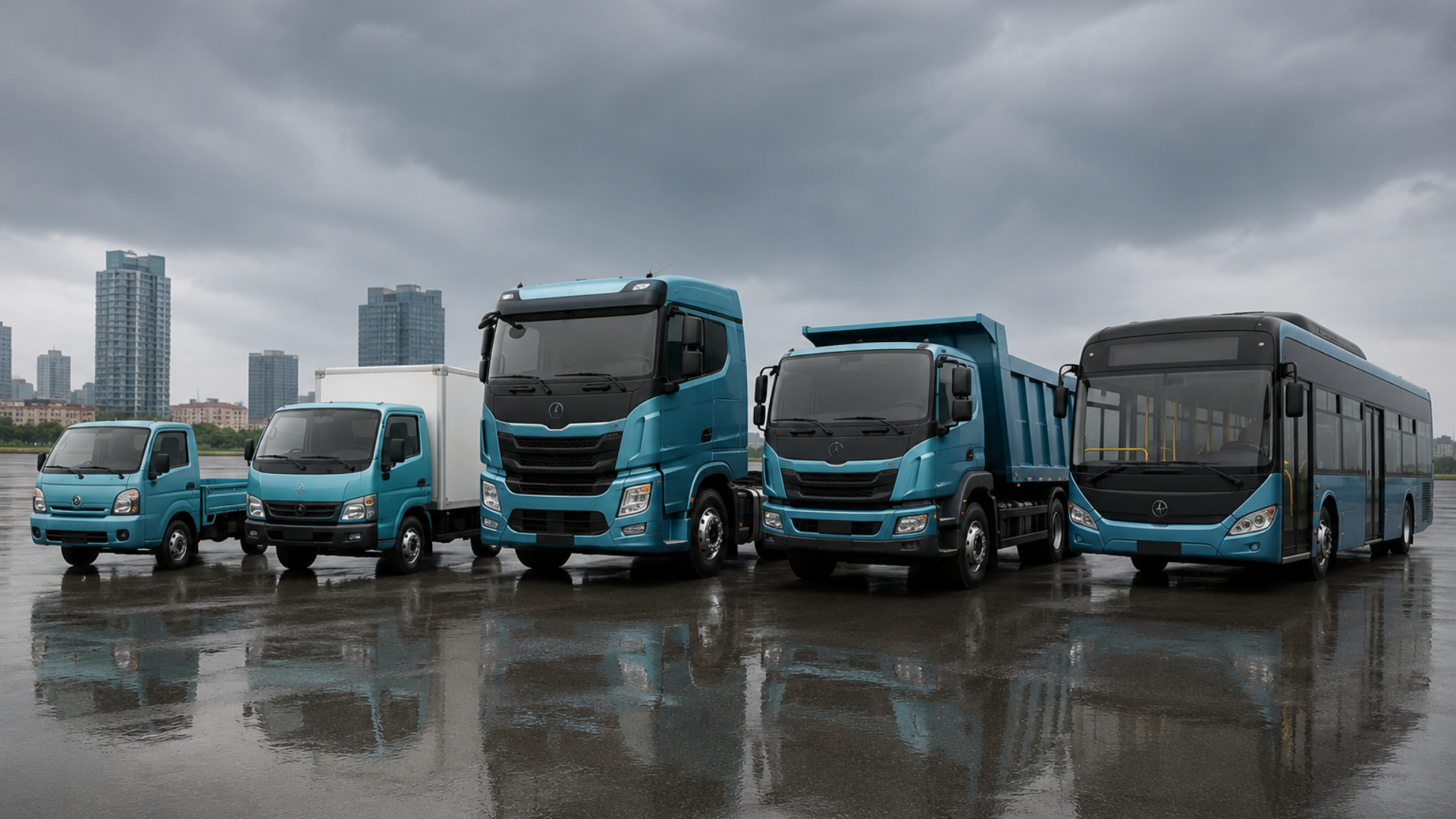
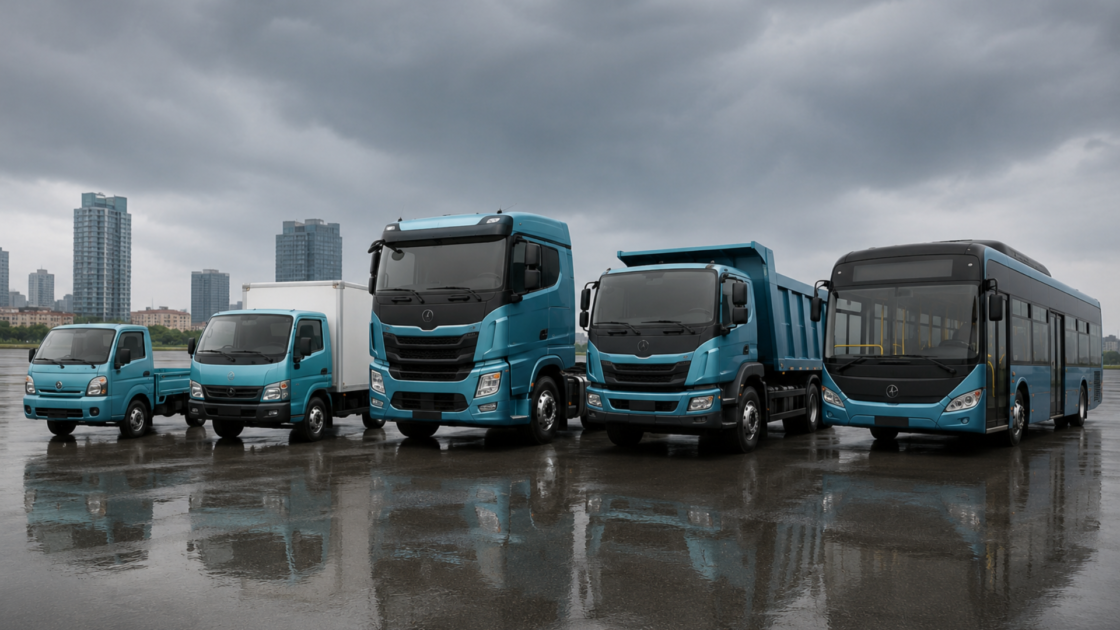
The featured photograph is for representation only.