
Skipper Limited: Powering Global Infrastructure Growth
Author: PPD Team Date: December 4, 2024
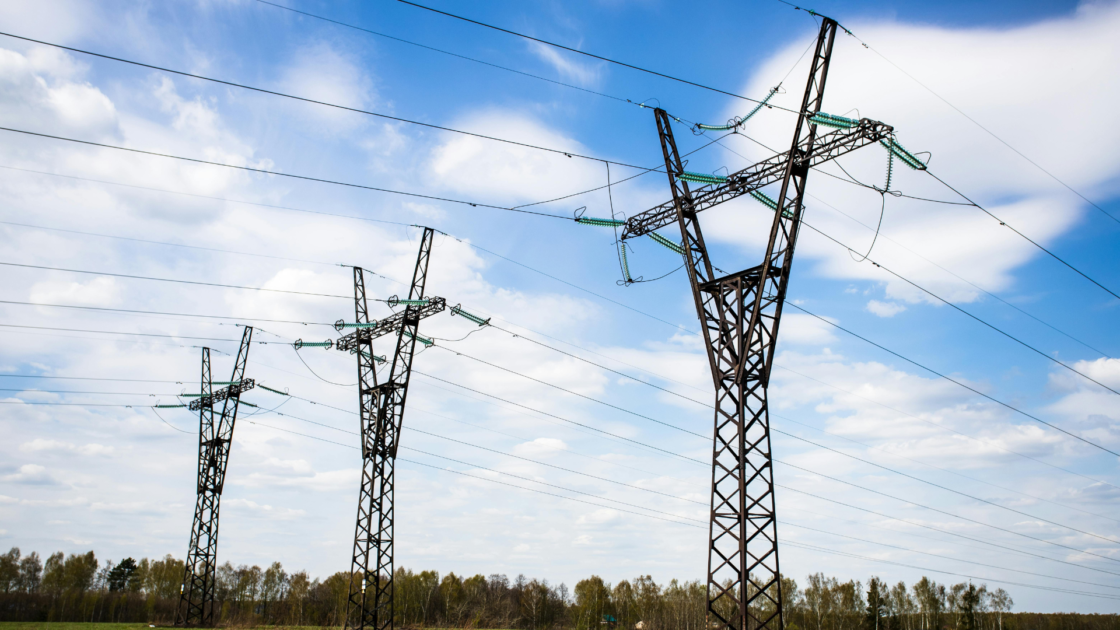
Skipper Limited is ranked among the top 10 global manufacturers in transmission and distribution (T&D) structures. Skipper offers a comprehensive range of engineering and infrastructure solutions.
In the engineering segment, the company manufactures power transmission towers, telecom towers, railway electrification infrastructure, monopoles, MS and high-tensile angles, fasteners, and tower accessories, supporting voltages from 11 kV to 1,200 kV with a capacity of 300,000 MTPA as of H1FY25. This segment generated Rs 16,742.55 million in revenue in H1FY25, with an EBITDA margin of 11.21%, and export revenue contributing 28.49% in FY24.
The infrastructure segment focuses on tower EPC, telecom EPC, coatings, and water EPC services, achieving revenues of Rs 5,983.63 million in FY24 and Rs 3,278.54 million in H1FY25, driven by high-margin HVDC transmission projects and forward integration activities.
Manufacturing facilities and recognitions
Skipper operates manufacturing facilities primarily in Kolkata, West Bengal, with a total capacity of 307,000 MTPA for steel structures and 55,000 MTPA for polymer pipes and fittings. The main units include facilities at Unit 1 (75,000 MTPA), Uluberia (187,000 MTPA, including poles), BCTL (38,000 MTPA), and Guwahati, Assam (7,000 MTPA).
Skipper has been recognized as the “Largest Tower Supplier” by Power Grid Corporation of India Limited (PGCIL) and the “Best Industry in Water Resources” by the Central Board of Irrigation and Power.
R&D capabilities
Skipper has a DSIR-approved in-house research and development centre in Howrah, West Bengal. This facility specializes in designing, developing, and testing prototypes using advanced testing infrastructure. The centre supports testing for towers and monopoles across various configurations, including 765 kV D/C towers, 500 kV D/C towers, and 400 kV D/C monopoles.
The R&D capabilities include testing India’s tallest 120-meter tower for 1,200 kV voltage, and developing optimized designs for efficiency.
Financial performance and order book
Skipper Limited’s revenue has grown at a CAGR of 38.66% between FY22 and FY24, with figures rising from Rs 17,070.80 million in FY22 to Rs 32,820.43 million in FY24. For H1FY25, revenue stood at Rs 22,014.81 million.
EBITDA grew at a CAGR of 37.96% during the same period, with consistent margins above 9%. EBITDA increased from Rs 1,678.30 million in FY22 to Rs 3,194.34 million in FY24, with H1FY25 EBITDA at Rs 2,171.00 million and a margin of 9.86%.
Profit After Tax (PAT) experienced growth at a CAGR of 80.21%, rising from Rs 251.47 million in FY22 to Rs 816.65 million in FY24. PAT margins improved from 1.47% in FY22 to 2.97% in H1FY25.
Debt-to-equity improved from 3.38x in FY22 to 1.69x in H1FY25. Debt-to-EBITDA remained steady at 0.77x during the same period.
As of September 2024, Skipper’s total order book stood at Rs 65,900.40 million, achieving a CAGR of 57.55% since March 2022. Order inflows for H1FY25 were Rs 24,250.82 million, with Rs 16,598.72 million recorded in Q2FY25 alone.
Non-T&D products, such as railways and telecom, constitute 22.80% of the order book. Domestic contracts from PGCIL and SEBs account for 62.17%, while exports contribute 14.98%. Geographically, 85.02% of orders are domestic, and 14.98% are exported.
Skipper achieved its highest-ever quarterly inflow of Rs 28,638.99 million in Q3FY23, and FY24 recorded a historic annual inflow of Rs 42,855.75 million.
Future Outlook:
Skipper strives to enhance its portfolio by adding value-added products and services, with a strong focus on the power and water sectors in alignment with global demands. The company seeks to expand into new geographies to complement its existing markets, adopt advanced technology and larger scales for improved product longevity and efficiency, and reduce its carbon footprint by promoting renewable energy and minimizing hydrocarbon dependency.