
Russia ratifies loan amendments for Bangladesh Rooppur nuclear project
Author: PPD Team Date: February 19, 2026

The Russian State Duma has ratified amendments to four intergovernmental loan agreements with Bangladesh related to construction of the Rooppur Nuclear Power Plant, the country’s first nuclear facility. The Federation Council has approved the federal law formalising the changes.
The amendments address settlement challenges linked to US dollar transactions and introduce a revised loan repayment mechanism. The protocols extend the loan availability period to 2027 and resolve issues related to overdue debt, including provisions to waive associated penalties.
Russian Deputy Finance Minister Vladimir Kolychev stated that the changes were agreed to overcome settlement constraints involving currencies from unfriendly countries for government loans extended to Bangladesh. The protocols establish a new settlement framework and have secured revenue equivalent to USD 459 million for the federal budget.
Russia and Bangladesh signed the original intergovernmental agreement in 2016, providing an export loan of up to USD 11.38 billion to finance construction of the plant. The loan covers up to 90% of the project’s estimated total cost of USD 12.6 billion.
Rosatom, Russia’s state atomic energy corporation, is developing the Rooppur Nuclear Power Plant, which will include two VVER-1200 reactors with capacity of 1,200 MW each. The project is the largest Russian nuclear energy development in South Asia.
Svetlana Zhurova, first deputy head of the International Affairs Committee, said the amendments specifically address the terms of the Russian state export loan supporting the Rooppur project. Ratification of the revised protocols enables continuation of financing while adapting to current international payment constraints.
The Rooppur facility is expected to enable Bangladesh to begin nuclear power generation and represents a major export project for Russia’s nuclear sector. The amended agreements preserve the project’s financing structure while introducing flexibility in settlement arrangements.
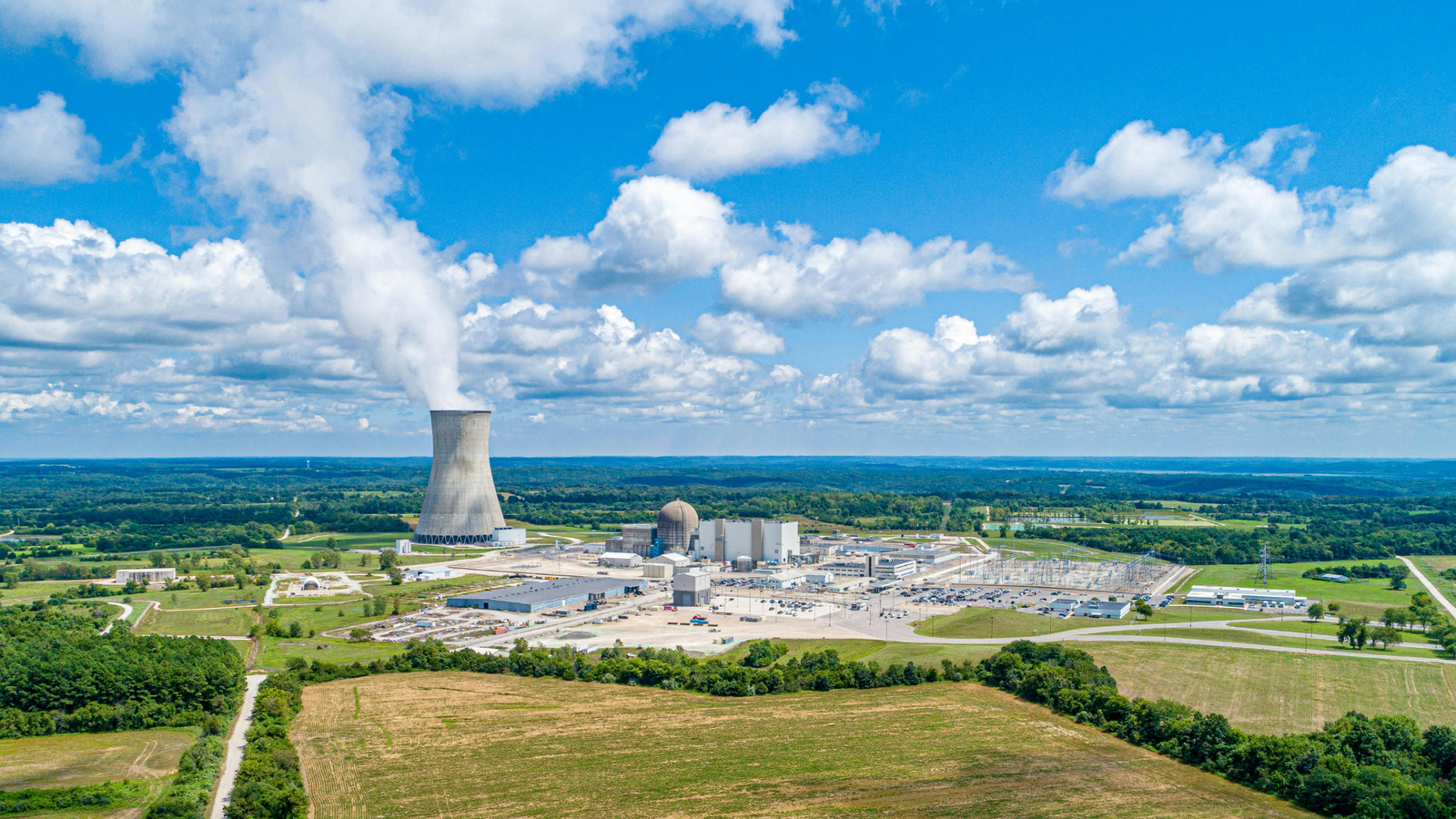
The featured photograph is for representation only.
