BESS units failed to auto-disconnect during Gujarat grid frequency event
Battery Energy Storage Systems (BESS) operating in charging mode did not automatically disconnect during a low-frequency grid event on May 13, 2026, despite a requirement under the Indian Electricity Grid Code (IEGC) 2023, according to the Northern Regional Power Committee (NRPC) Renewable Energy Sub-Committee.
At 14:09 hrs on May 13, 2026, a Grid Disturbance (GD)-1 event at the Khavda renewable energy complex in Gujarat resulted in the loss of 8,963 MW of generation. All-India solar generation declined from 69,224 MW to 60,611 MW, while grid frequency fell from 49.953 Hz to 49.398 Hz within 19 seconds, crossing the first-stage Under Frequency Relay (UFR) threshold of 49.4 Hz.
Automatic disconnection did not occur
Clause 29(12) of the IEGC 2023 requires pumped storage hydro plants operating in pumping mode and Energy Storage Systems (ESS) operating in charging mode to disconnect automatically before the first stage of UFR operates.
The report also noted that the 15th meeting of the National Power Committee, held on November 14, 2024, recommended that BESS operating in charging mode should disconnect automatically at 49.6 Hz, ahead of the UFR threshold.
However, NRLDC found that the BESS units remained connected until manual instructions were issued.
Manual intervention provided 650 MW relief
Following instructions from NRLDC, BESS units stopped charging manually, providing around 650 MW of load relief.
At the time of the event, ACME Suryodaya Private Limited was charging at 236 MW against an installed capacity of 285 MW, ACME Surya Power Private Limited at 237 MW against 250 MW, ACME Sun Power Private Limited at 149 MW against 300 MW, while Juniper Green Cosmic Private was also operating in charging mode. The operating figure for the Juniper project was not specified in the meeting records.
NRLDC directs implementation of settings
NRLDC said automatic disconnection is required to ensure a faster response during grid disturbances and reduce the risk of system instability.
On June 3 and June 4, 2026, NRLDC issued communications to the concerned renewable energy plants directing them to configure BESS operating in charging mode to disconnect at 49.6 Hz with a 50 ms time delay to avoid unnecessary tripping during transient frequency dips.
The affected plants were asked to confirm implementation of the revised settings within one week of receiving the communication.
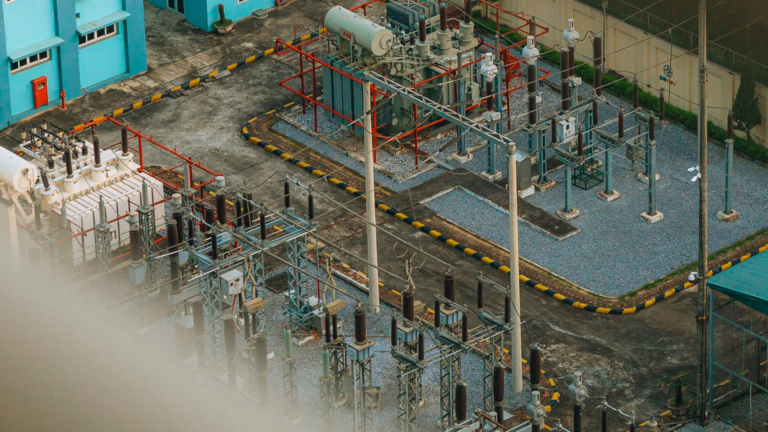
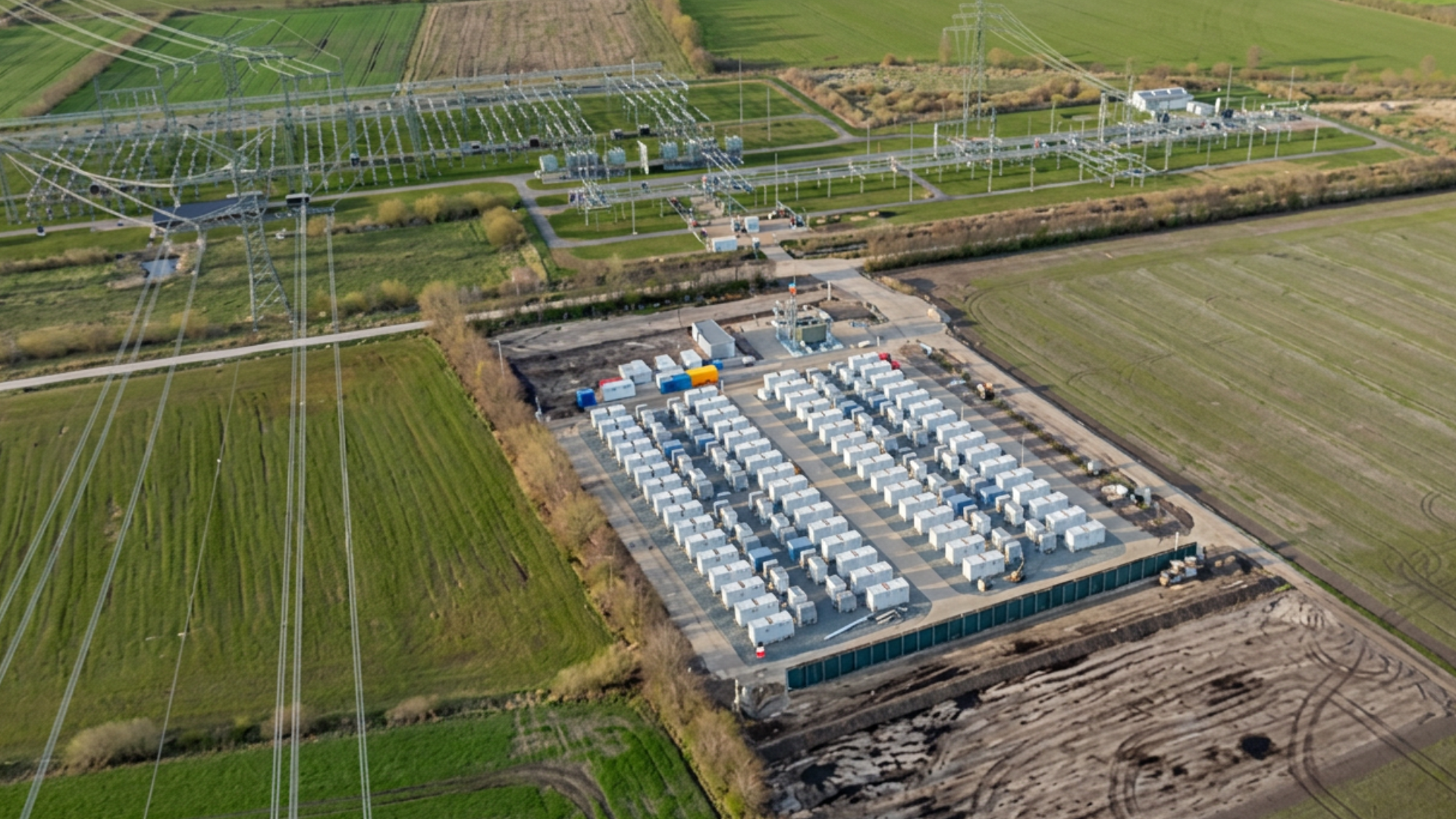
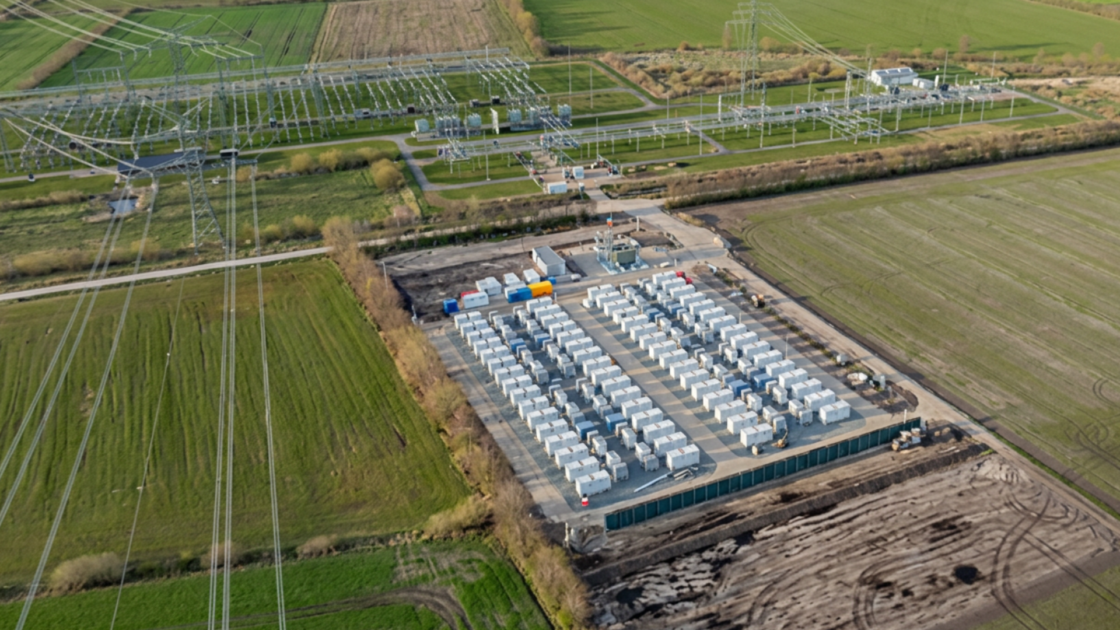
The featured photograph is for representation only.