
AERB clears construction of spent fuel storage facility at Rawatbhata
The Atomic Energy Regulatory Board (AERB) has granted consent to the Nuclear Power Corporation of India Limited (NPCIL) for the construction of Phase-1 of an Additional Away From Reactor (AAFR) spent fuel storage facility at the Rawatbhata Rajasthan site. The consent is valid until May 31, 2030 and follows a detailed safety assessment of the project.
The facility will provide wet storage for spent fuel bundles generated by the 220 MWe Pressurised Heavy Water Reactors (PHWRs) at the Rawatbhata Atomic Power Station (RAPS). It is intended to serve Units 2 to 6 and is based on the existing Away From Reactor spent fuel storage facility at RAPS-1&2, while incorporating design improvements derived from PHWR-700 spent fuel storage bays and updated site-specific inputs.
Siting consent for the project was issued on October 30, 2025, and pre-excavation activities are already underway.
Safety review
NPCIL initially submitted its application for construction consent on December 2, 2025. After the regulator sought additional information, a revised application was filed on January 31, 2026 and admitted for review on February 17, 2026.
The safety review was conducted by AERB’s Nuclear Projects Safety Division, Information Technology & Security Section and the Project Design Safety Committee for PHWRs. The assessment covered the Preliminary Safety Analysis Report (PSAR), including civil and structural design, site characteristics, ventilation, spent fuel handling and cooling systems, radiation zoning, electrical systems, and control and instrumentation.
Conditions
AERB has attached several conditions to the approval. NPCIL must submit the design and seismic qualification details of the single-failure-proof crane for handling spent fuel shipping flasks before its installation. Post-excavation geotechnical investigations must also be completed and reviewed by the regulator before raft construction begins.
The company has also been directed to submit, by May 2027, an assessment of the reduction in the operating island isolation zone around the AAFR, taking into account additional security measures.
In addition, NPCIL must comply with all applicable statutory clearances, the approved Quality Assurance Programme, AERB safety codes, and the Atomic Energy (Factories) Rules, 1996, including industrial and fire safety requirements.
AERB noted that the primary responsibility for nuclear safety rests with NPCIL. The consent remains subject to compliance with the stipulated conditions, and all construction activities covered under the approval must be completed before May 31, 2030, unless an extension is granted.
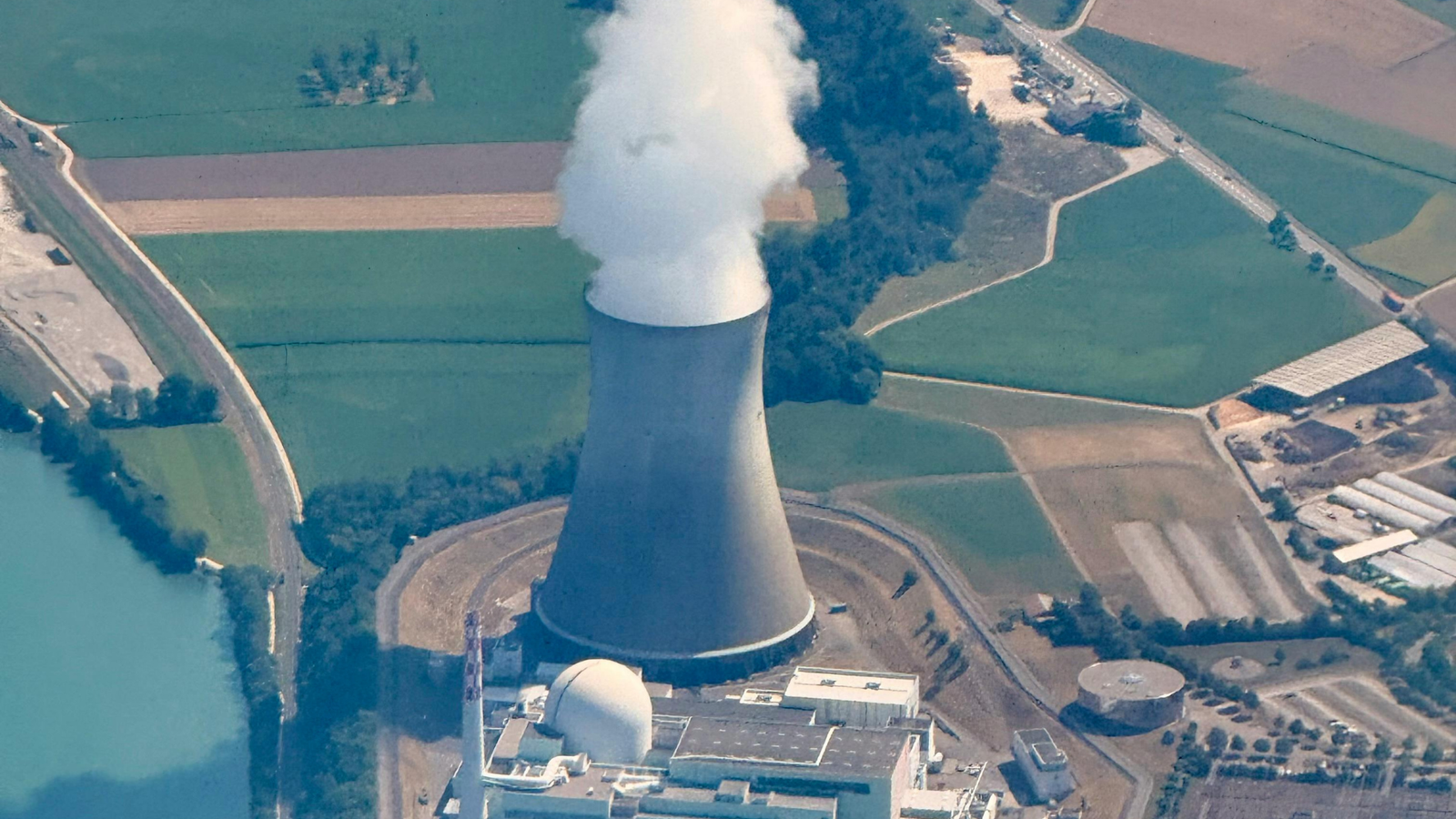
The featured photograph is for representation only.