

MNRE issues draft firmware norms for solar dataloggers under PM Surya Ghar
Author: PPD Team Date: April 3, 2026
The Ministry of New and Renewable Energy (MNRE) has released draft guidelines for firmware development of solar dataloggers, aiming to standardise device configuration and remote communication under the PM Surya Ghar rooftop solar programme.
The proposed framework defines technical requirements for both local configuration and remote communication across rooftop solar equipment, including inverters, energy meters, and monitoring systems.
The draft is structured around three objectives: enabling interoperability between devices from different manufacturers, ensuring data integrity across the monitoring chain, and securing communication between field devices and central platforms.
Technical provisions include local configuration through HTTP interfaces, cellular connectivity for data transmission, SSL-secured communication with servers, and telemetry mapping using UUID-based systems.
The guidelines prescribe detailed application programming interface (API) standards covering authentication, internet service provider (ISP) configuration, remote server setup, inverter communication, and parameter mapping. These specifications are to be implemented without deviation in structure or parameters.
Security requirements include token-based authentication, time-bound access controls, encrypted communication between devices and platforms, and the use of digital certificates such as root certificate authority (CA), client certificates, and private keys.
For data acquisition, the framework mandates Modbus-based protocols for real-time monitoring and control, along with standardised parameter mapping for both single-phase and three-phase inverters.
MNRE has invited comments from manufacturers, system integrators, and technical experts within 15 days of issuing the memorandum. The guidelines are intended to support scaled rooftop solar deployment under PM Surya Ghar while maintaining system reliability and cybersecurity as grid-connected residential installations expand.
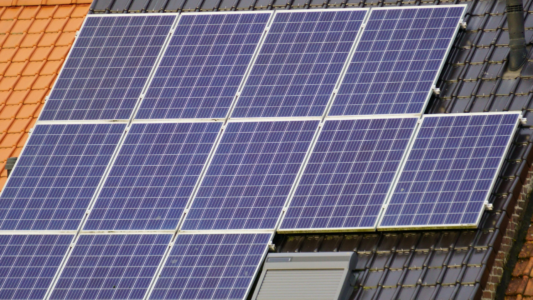
The featured photograph is for representation only.