
Maharashtra approves Rs 39 crore equity for Koradi expansion
Author: PPD Team Date: March 25, 2026
The Maharashtra government has approved the release of Rs 39.20 crore as its latest equity contribution toward the 2×660 MW supercritical thermal expansion at Koradi Thermal Power Station in Nagpur. The project is being executed by Maharashtra State Power Generation Company Limited (Mahagenco). The tranche represents 70% of the Rs 56 crore budgeted for the state’s equity share in 2025-26 and was released following concurrence from the Finance Department.
The Central Electricity Authority (CEA)’s thermal broad status report as of January 31, 2026, places the latest estimated project cost at Rs 13,200 crore. Total project expenditure stood at Rs 18.7 crore as of the same date.
Project execution and timelines
Bharat Heavy Electricals Limited (BHEL) received the Letter of Award for the boiler, turbine, and generator (BTG) package on February 7, 2025, valued at Rs 80 billion. The contract covers design, engineering, manufacturing, and commissioning of key systems.
Milestone targets include boiler foundation completion for Unit 11 by April 2026 and Unit 12 by October 2026. Trial runs are scheduled for May 2029 and November 2029 for Units 11 and 12, respectively. Power evacuation will be through a 400 kV switchyard of Maharashtra State Electricity Transmission Company Limited (MAHATRANSCO).
Clearances and infrastructure readiness
The project has secured environmental clearance on September 19, 2024, valid until 2034, and consent to establish from the State Pollution Control Board (SPCB) on May 3, 2025, valid until 2030. Civil aviation clearance remains under process.
The total land requirement of 168 acres is fully within the existing Koradi Thermal Power Station premises. Water allocation of 34.69 MM3 per annum will be sourced from tertiary treated water, with 15% backup from Pench Dam.
In 2025-26, total project expenditure reached Rs 1,723 crore, with Mahagenco contributing the majority share. The Koradi expansion is positioned as a base-load addition for the Vidarbha region, using supercritical technology to improve thermal efficiency compared to existing subcritical units.
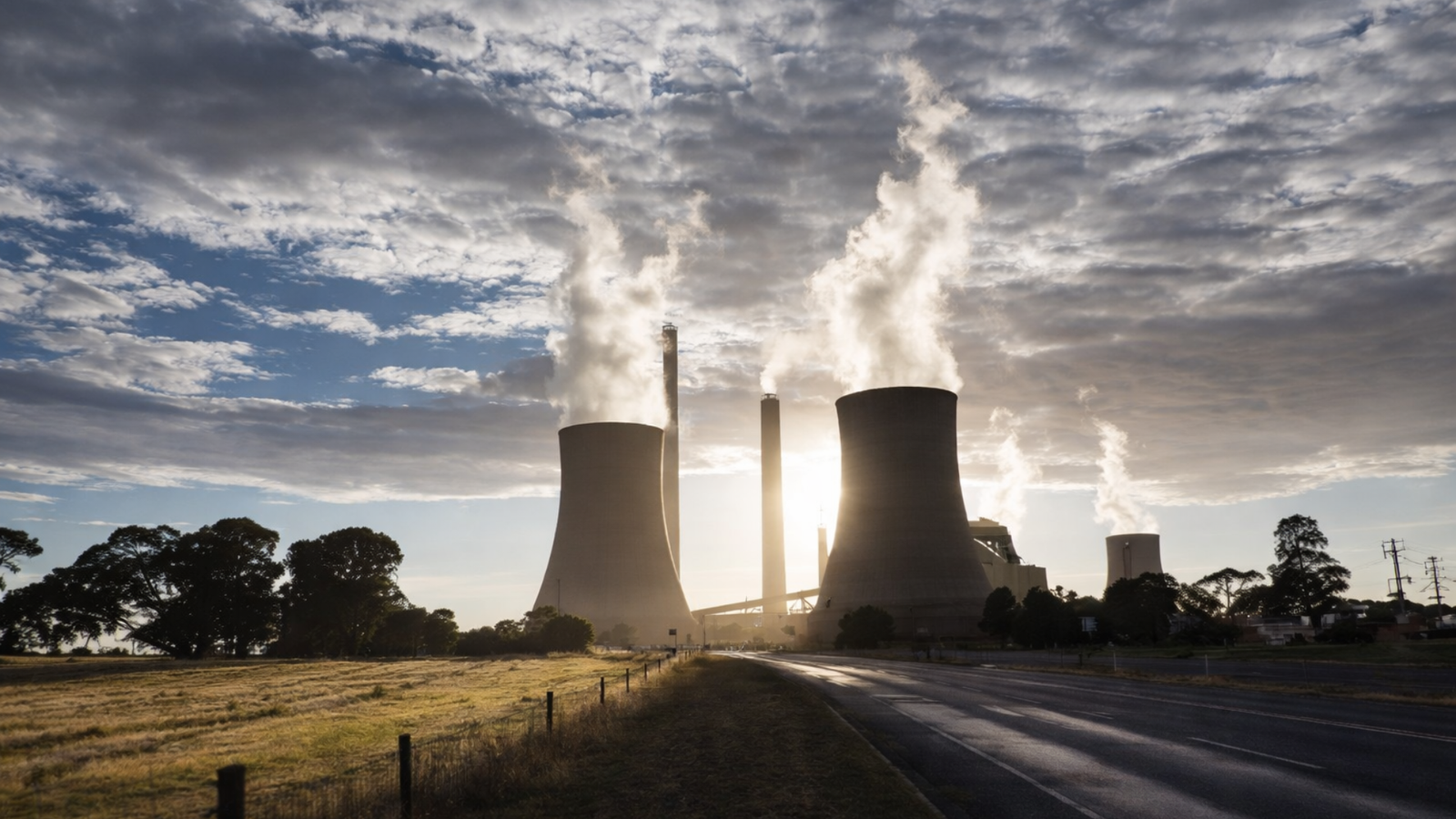
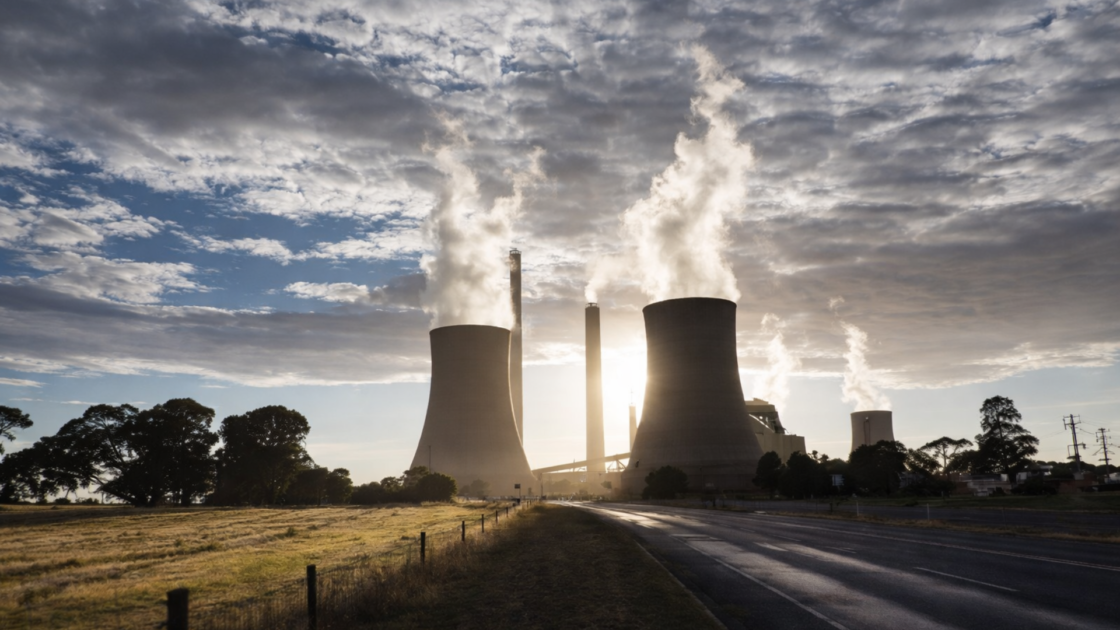
The featured photograph is for representation only.