Maharashtra approves renewable energy and storage policy 2025-2035
Author: PPD Team Date: February 26, 2026
The Maharashtra state cabinet has approved the Maharashtra Renewable Energy and Energy Storage Policy 2025-2035, establishing a framework to integrate energy storage with renewable generation to manage intermittency and strengthen grid reliability.
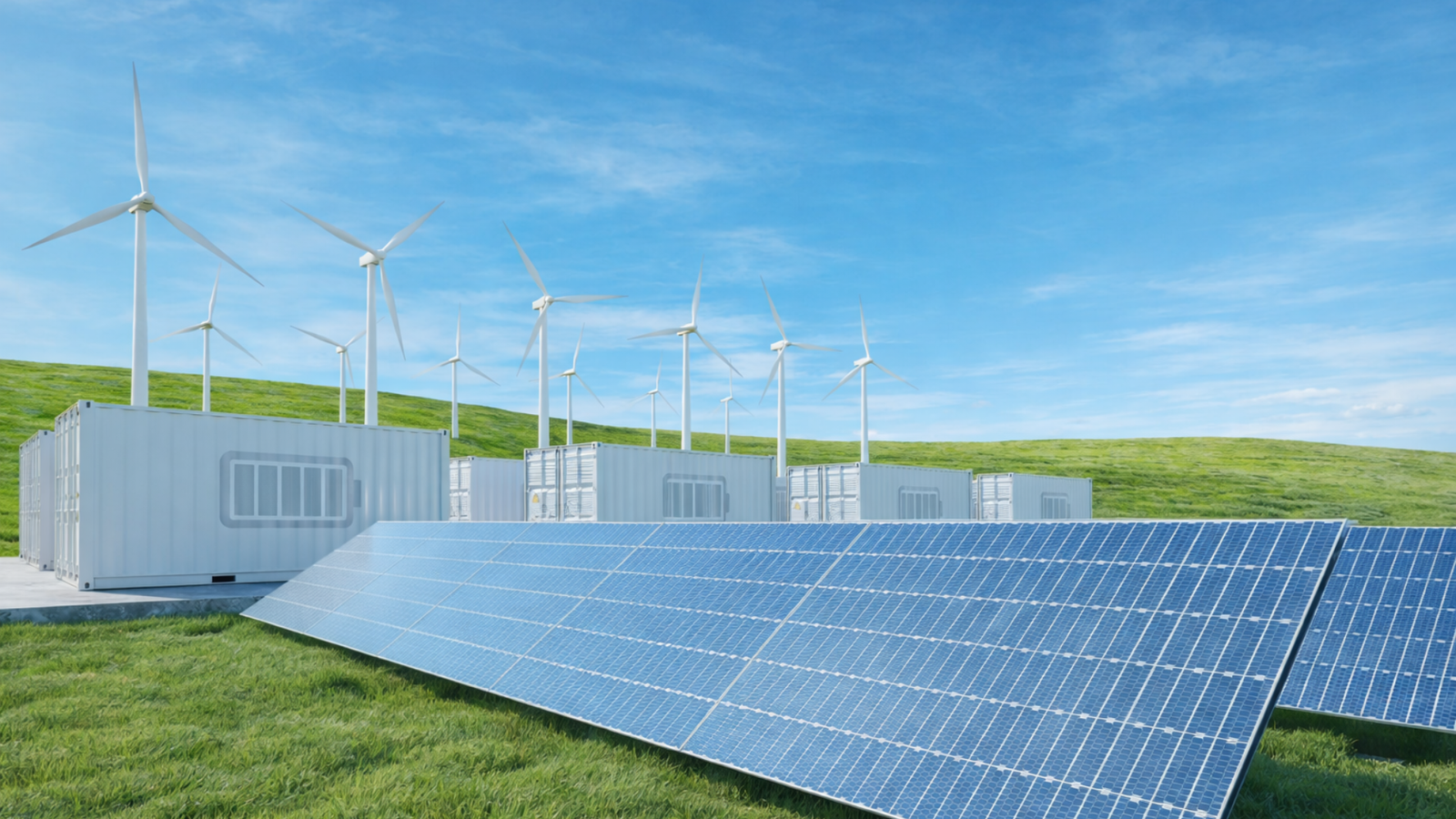
The policy introduces Battery Energy Storage Systems (BESS) capable of storing generated energy for up to four hours for later use. The measure targets supply disruptions linked to weather variability, outages, and geopolitical factors. Officials stated that this is the first initiative in India designed specifically to preserve renewable energy for nighttime consumption.
The policy outlines Maharashtra’s plan to position itself as a national and Asian leader in renewable energy and storage over the next decade. By 2035, the state targets procuring 65% of electricity from renewable sources, with energy storage systems supporting at least 10% of total power demand.
Targets include the development of 100 GW of renewable energy capacity and 100 GW per hour of energy storage capacity each day, according to a presentation submitted to the cabinet by the energy department. At present, renewable sources account for around 40% of the state’s total installed capacity across power types.
Interim milestones aim to increase the renewable share to 50% of installed capacity by 2030 before reaching 65% by 2035. The policy addresses shortcomings in the 2020 energy policy, which did not include sufficient provisions for power storage.
The state government has earmarked budgetary support of Rs 1,650 crore over ten years, expected to mobilise investments of about Rs 3.12 lakh crore. The funding is intended to support green growth, strengthen energy security, and improve industrial competitiveness in Maharashtra.
The policy provides for land allocation to develop Renewable Energy Industrial Zones and includes additional government incentives to support project development. It also seeks to expand consumer choice in energy sourcing, promoting competition through alternative supply options.
Support for storage deployment will extend to Micro, Small and Medium Enterprises (MSMEs) through large-scale procurement of BESS. The policy also introduces a dedicated tariff category for renewable energy consumers to enable 100% renewable supply for commercial and industrial users.
Overall, the framework reflects Maharashtra’s approach to managing renewable variability while advancing its clean energy targets over the coming decade.
The featured photograph is for representation only.