
KPTCL launches dynamic line rating pilot on Bengaluru transmission line
Karnataka Power Transmission Corporation Limited (KPTCL) has launched a pilot project to implement Dynamic Line Rating (DLR) technology on the 220 kV Puttenahalli–Sahakarnagar transmission line in Bengaluru. The initiative aims to increase the line’s capacity by up to 25% through software and sensor-based monitoring, without constructing new transmission infrastructure.
KPTCL has issued a Letter of Intent for the project, making it one of the first state transmission utilities in South India to adopt DLR technology. According to KPTCL Managing Director V. Ram Prasath Manohar, the project is intended to unlock additional capacity from the existing transmission network without the need for new towers or additional land acquisition.
How DLR works
DLR enables transmission line capacity to be determined in real time based on weather conditions such as wind speed, ambient temperature, and solar radiation. Conventional transmission operations rely on static ratings that assume worst-case weather conditions, often leaving a portion of transmission capacity unused.
By using dynamic ratings, utilities can increase the ampacity, or the maximum current a conductor can safely carry, by 10% to 40% depending on prevailing weather conditions, according to a 2020 report by the International Renewable Energy Agency (IRENA).
Global deployment
The technology is being adopted in several countries as electricity demand growth and renewable energy integration place increasing pressure on existing transmission networks.
In the United States, the Department of Energy (DOE) has supported DLR research since 2010. Its Idaho National Laboratory released software in 2016 that uses weather data to calculate real-time transmission line capacity.
Several U.S. utilities have reported operational and financial benefits from DLR deployment. Pennsylvania Power Light Electric (PPL) avoided a $12 million reconductoring project and reduced congestion costs by more than $64 million through DLR installations, according to DOE data. Oncor Electric Delivery Company reported transmission capacity increases of 6-14% across its network.
European transmission system operators have also adopted the technology. Elia in Belgium, Réseau de Transport d’Électricité (RTE) in France, and Amprion in Germany are implementing DLR systems. Elia reported up to a 30% increase in line current on certain routes, while RTE has been testing the technology since 2009 to support wind power integration.
A key advantage of DLR is its relationship with wind generation. Wind not only produces electricity but also cools transmission conductors, allowing them to carry higher currents safely. According to IRENA, such conditions can increase transmission line ampacity by 100% to 200% in some cases.
Policy support
Grid-enhancing technologies, including DLR, are receiving increasing regulatory support internationally. In 2024, the Federal Energy Regulatory Commission (FERC) issued Order 1920 requiring transmission owners in the United States to consider such technologies in transmission planning. The DOE allocated $8.4 million in 2023 to accelerate deployment of grid-enhancing technologies.
Tata Consulting Engineers commissioned what it described as India’s first 400 kV DLR project in the Southern Region last year, using artificial intelligence-based analytics and satellite data for forecasting.
The KPTCL pilot comes as transmission networks face increasing pressure from renewable energy integration. A 2019 paper presented at a renewable energy conference in New Delhi highlighted severe overloading on certain 220 kV transmission lines in northern Karnataka due to hydro and nuclear power generation, underscoring the need for dynamic network management solutions.
Limitations
While DLR can improve utilisation of existing transmission assets, industry experts note that it is not a replacement for network expansion. The technology cannot resolve constraints related to voltage stability or substation capacity, and its effectiveness depends on local weather conditions.
IRENA has also noted that traditional cost-based regulatory models, which primarily reward investment in physical infrastructure, may provide limited incentives for utilities to adopt operational solutions such as DLR. According to IRENA, transmission lines that are not congested or do not constrain market activity may derive limited benefits from DLR implementation.
KPTCL’s pilot project is expected to assess the operational performance and benefits of DLR under Indian grid conditions before any wider deployment across the state’s transmission network.
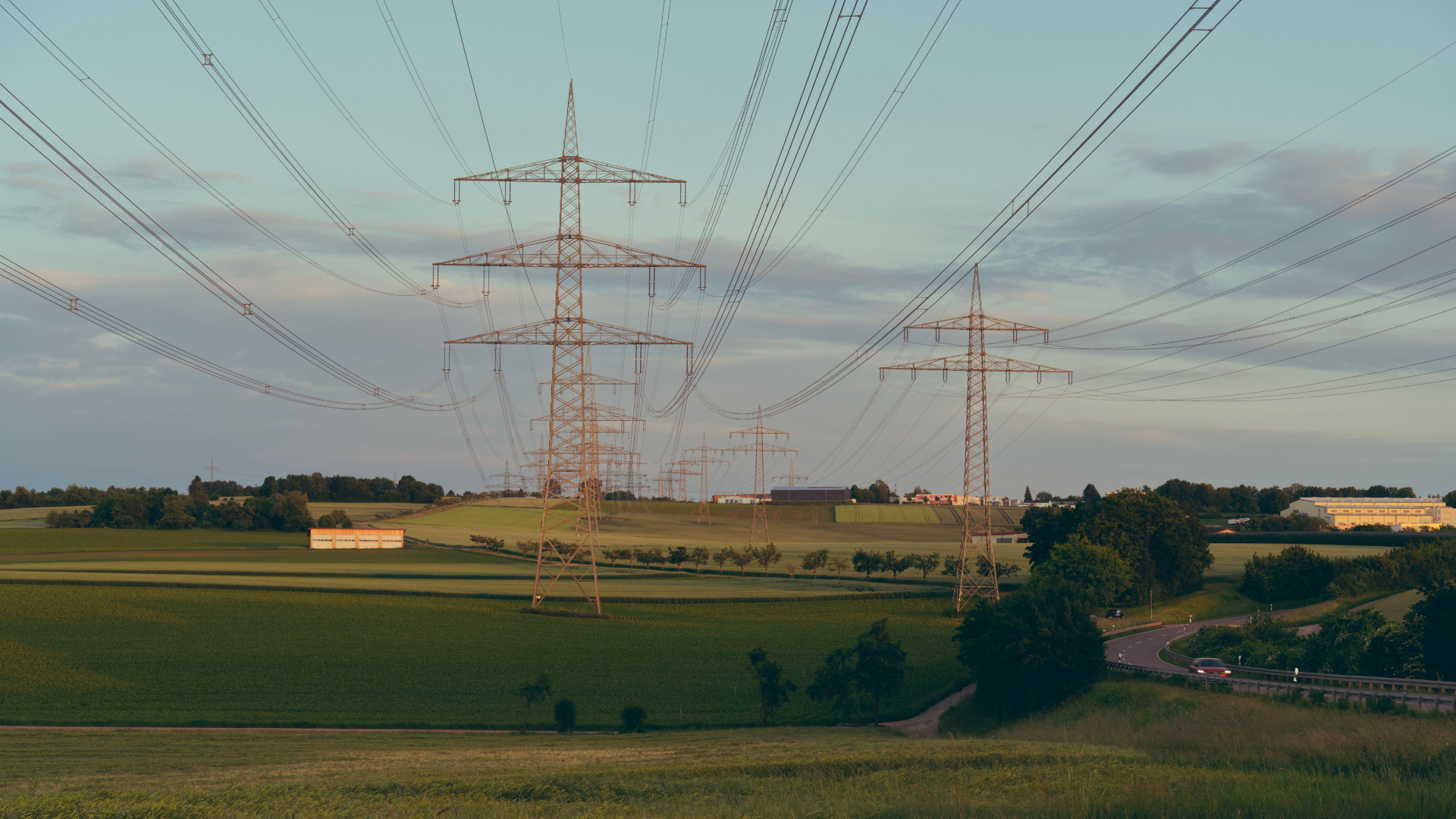
The featured photograph is for representation only.