India Energy Stack Taskforce releases version 0.3 framework
Author: PPD Team Date: February 9, 2026
The India Energy Stack (IES) Taskforce under the Ministry of Power has released Version 0.3 of its strategy and architecture documents, setting out the next phase of work to develop a unified digital public infrastructure for India’s power sector. The IES project is scheduled for completion by July 2026.
The IES initiative seeks to create a common digital framework that enables secure data exchange and interoperability among utilities, system operators, market participants, and consumers. By relying on shared standards and protocols, the framework is intended to improve coordination, transparency, and operational efficiency across the power ecosystem.
Version 0.3 places specific emphasis on consumer and prosumer participation. Through consent-based data sharing and interoperable digital services, consumers could gain better access to energy services, compare offerings, and participate in programmes such as demand response and electric vehicle charging. Prosumers, who both generate and consume electricity, are expected to benefit from simpler monetisation of surplus energy and verified participation in energy markets, supported by trusted measurement and settlement mechanisms.
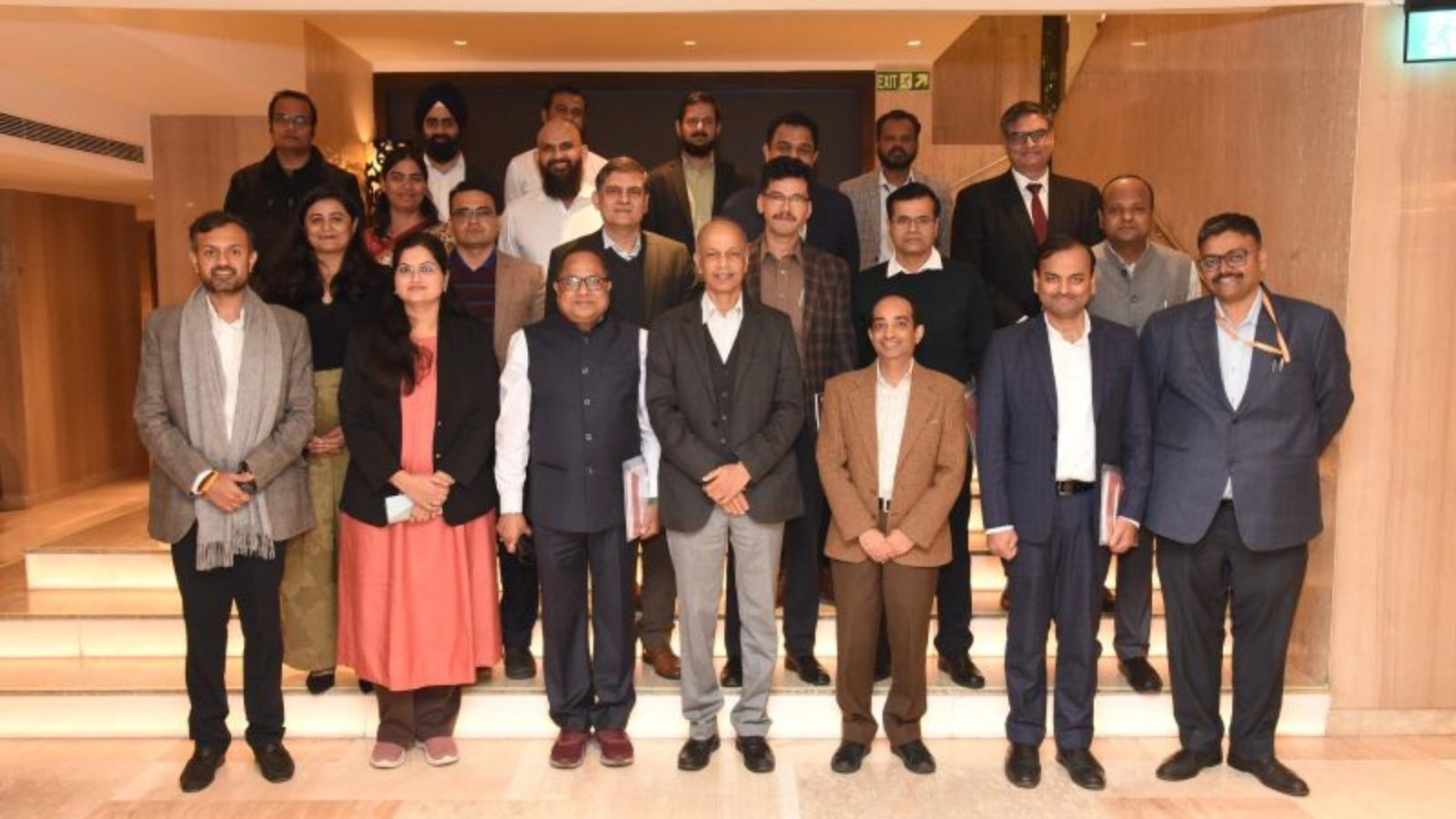
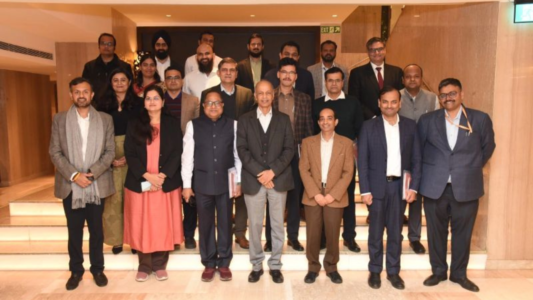
The review meeting for Version 0.3 was chaired by Ram Sewak Sharma and included senior officials and experts, including Sh. Pradeep Kumar Pujari and Sh. Pramod Verma, along with representatives from distribution companies, industry bodies, the Ministry of New and Renewable Energy, and knowledge partners. REC Limited is steering the initiative as the nodal agency in coordination with the Ministry of Power, with FSR Global acting as the knowledge partner. The project will move forward through continued ecosystem collaboration, pilot implementations, and a phased national rollout.
The IES Taskforce was constituted to guide the development of this digital infrastructure and has been meeting regularly to refine the framework. The first meeting in November 2025 established Version 0.1 of the strategy and architecture documents. In December 2025, the second meeting advanced to Version 0.2 and identified an initial pilot use case for interstate peer-to-peer power trading using standardised APIs. The release of Version 0.3 continues this phased, consultative approach toward a fully operational energy stack by mid-2026.