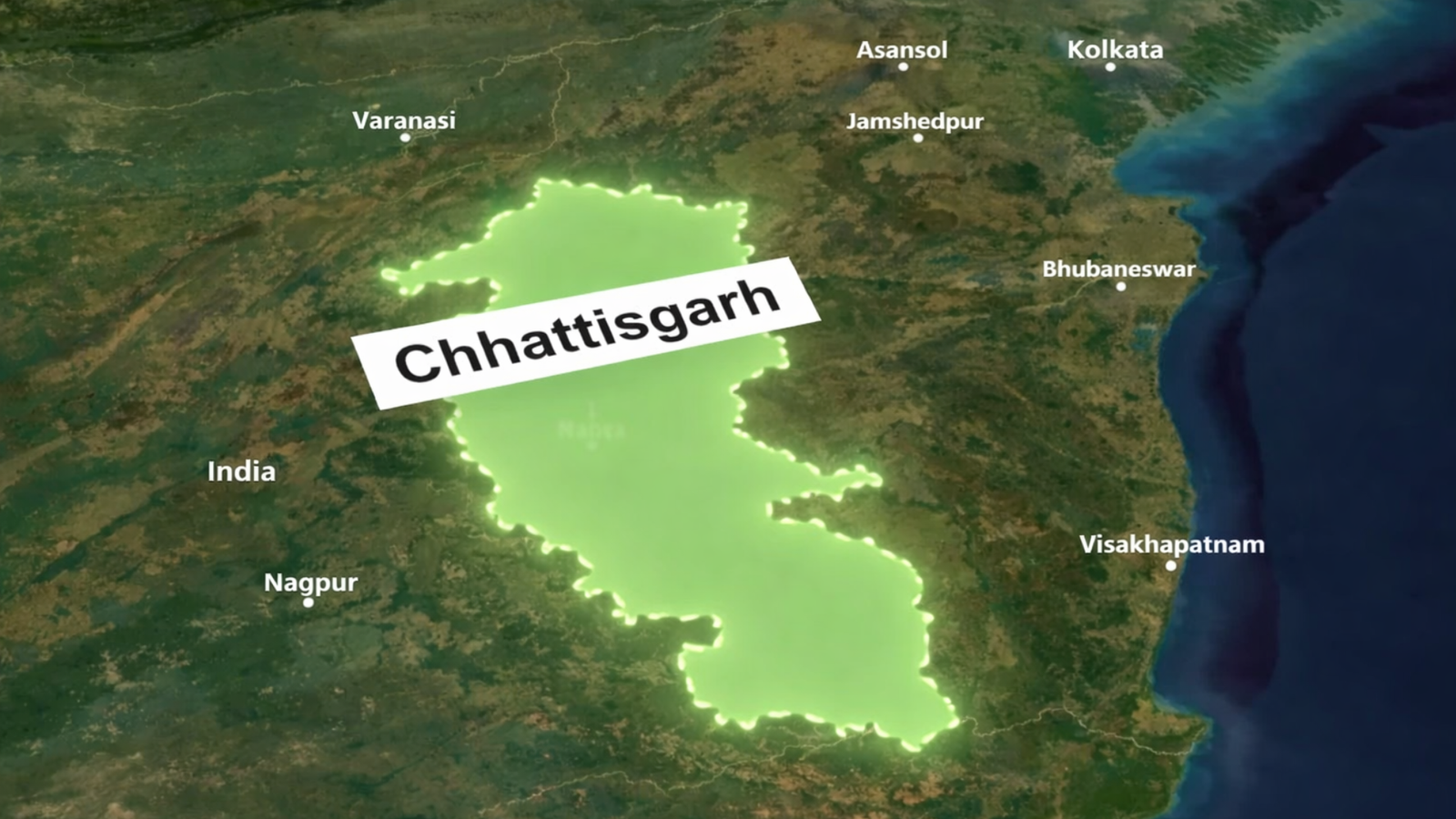
Chhattisgarh plans 32,100 MW capacity addition with Rs 3.4 trillion investment
Author: PPD Team Date: February 26, 2026
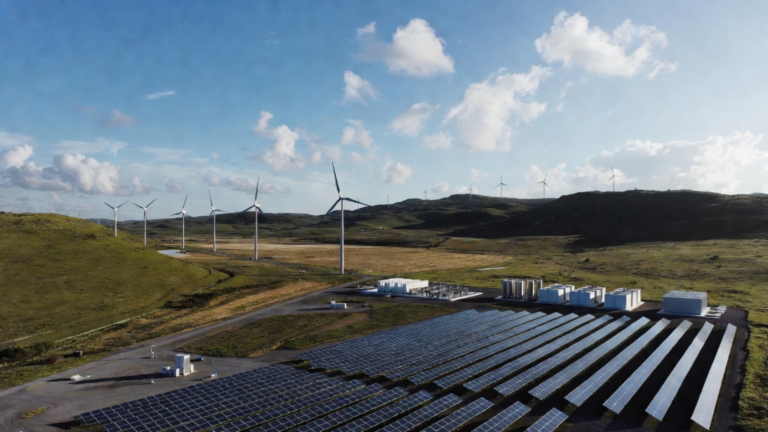
The Chhattisgarh government has outlined a plan to add 32,100 MW of thermal, nuclear, solar and pumped storage capacity, along with transmission upgrades and battery storage deployment, positioning the state as a major energy hub.
The state has signed memoranda of understanding (MoUs) for 32,100 MW of new capacity with proposed investments of about Rs 3.4 trillion, according to State Energy Secretary Dr Rohit Yadav. The pipeline includes 12,100 MW of thermal capacity, 4,200 MW of nuclear power, 2,500 MW of solar and 13,300 MW of pumped storage projects. Work is underway on new supercritical thermal units in Korba and Marwa.
Chhattisgarh’s total installed generation capacity stands at 30,671.7 MW, including 28,824 MW of thermal power, 220 MW of hydropower and 2,047 MW from solar, biomass and other renewable sources. The state serves more than 65 lakh electricity consumers and remains power-surplus, supplying electricity to other regions.
Transmission infrastructure has expanded, with substations increasing to 137 as of January 2026. Transformer capacity has risen from 24,227 MVA in 2023 to 27,883 MVA. The state added 797 circuit kilometres of transmission lines and deployed 5,200 km of optical fibre ground wire linking 131 substations. Another 41 high-voltage substations are planned over the next three years.
The state plans to install 2,000 MWh of battery energy storage systems (BESS) by 2027–28, including a proposed 500 MWh facility in Korba, alongside floating solar projects to support renewable integration and round-the-clock supply.
Chhattisgarh also reported progress in distributed solar, including 132,000 registrations under the Pradhan Mantri Surya Ghar Yojana, along with deployment of solar irrigation pumps, solar drinking water pumps and solar high-mast lighting under various schemes.
While thermal power continues to dominate due to coal availability, the plan increases focus on renewable energy and storage, supported by transmission and distribution upgrades to enable power evacuation from upcoming projects.