CERC sets third-year renewable tariff for FY 2026-27
The Central Electricity Regulatory Commission (CERC) has determined the levellised generic tariffs for small hydro projects, biomass-based power projects (including Rankine cycle and gasifier-based), non-fossil fuel-based co-generation, biogas, and refuse-derived fuel (RDF)-based municipal solid waste (MSW) projects for the third year of the current control period, covering projects commissioned between August 1, 2026 and March 31, 2027.
The order was issued on August 23, 2026 under Petition No. 12/SM/2026 (Suo-Motu), initiated under Regulation 8 of the CERC (Terms and Conditions for Tariff Determination from Renewable Energy Sources) Regulations, 2024.
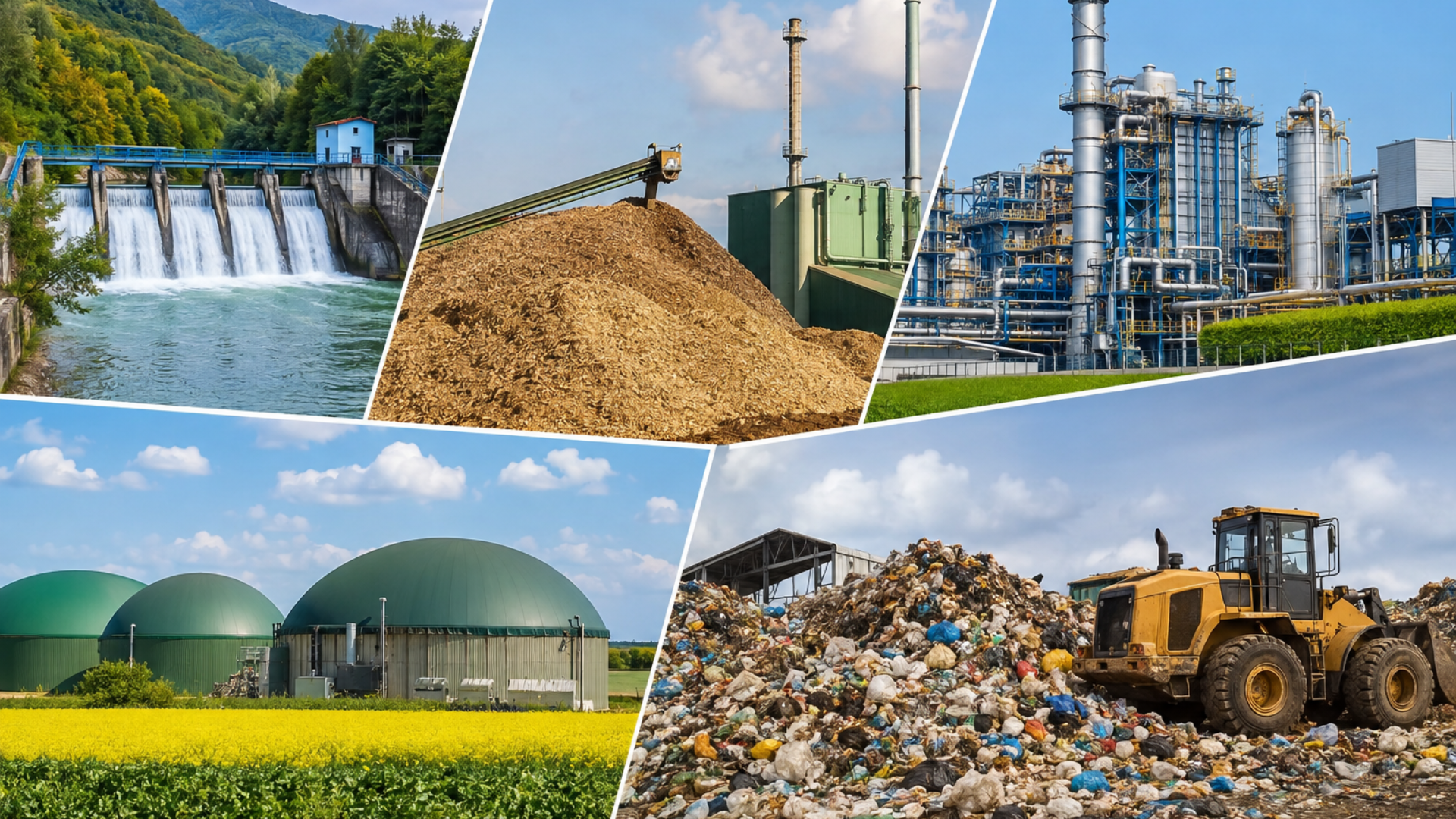
The order covers small hydro projects, biomass power projects using Rankine cycle technology, non-fossil fuel-based co-generation, biomass gasifier-based power projects, biogas-based power projects and refuse-derived fuel-based municipal solid waste projects.
The generic tariff framework provides technology-specific benchmarks for renewable energy projects where project-specific tariff determination is not required. The tariffs are intended to provide a regulatory reference for developers, utilities and other stakeholders involved in renewable power procurement.
Tariff parameters
CERC has retained the normative capital costs specified in the 2024 regulations for the covered technologies. The Commission compared these norms with capital cost benchmarks adopted by various state electricity regulatory commissions and found them broadly aligned with prevailing market conditions.
The normative interest rate on loans has been fixed at 10.71%. This is based on the average State Bank of India one-year Marginal Cost of Funds based Lending Rate (MCLR) of 8.71% for the six months ending May 14, 2026, plus 200 basis points.
Interest on working capital has been set at 11.96%, based on the same average MCLR plus 325 basis points.
Return on equity remains at 14% for all covered technologies other than small hydro. For small hydro projects, it has been retained at 15%, grossed up for applicable tax in accordance with the regulations.
Normative operation and maintenance (O&M) expenses, capacity utilisation factor norms and depreciation rates have also been retained at the levels specified in the 2024 regulations. O&M expenses will be escalated at 5.25% annually over the tariff period.
The biomass fuel price for the third year has been determined by escalating the first-year notified price by 3.45%. The same annual escalation will apply in subsequent years unless revised by CERC.
Stakeholder comments
CERC received comments from seven stakeholders: Star Wire (India) Vidyut Pvt. Ltd, the Bonafide Himachalies Hydro Power Developers Association, Yadlapati Agro Products Pvt. Ltd, MP Power Management Company Limited, Devbhoomi Hydro Association, the Hydro Power Development Corporation of Arunachal Pradesh Limited and the Renewable Energy Developers Association of Karnataka.
The submissions included requests for higher capital cost and O&M norms for projects in hilly and remote areas, region-specific tariff treatment and changes to interest rates and return on equity.
The Commission held that most of these proposals amounted to requests for amendments to the RE Tariff Regulations, 2024 and were therefore outside the scope of the present tariff-determination exercise. It noted, however, that capital costs, O&M expenses and fuel costs would be reviewed while finalising regulations for the next control period.
Tariff outcome
The levellised tariffs determined by CERC are set out in Annexure I of the order and vary according to technology, project size and region.
For small hydro projects with a capacity of up to 5 MW in Himachal Pradesh, Uttarakhand, West Bengal, Jammu and Kashmir, Ladakh and the North Eastern states, the levellised tariff has been determined at Rs 6.69 per unit.
The tariff determination establishes the benchmark parameters for the third year of the current control period and provides a reference for renewable power procurement from the covered small-scale generation technologies during FY 2026-27.
The featured photograph is for representation only.