
CAG audit flags operational gaps and revenue losses at NLC India
Author: PPD Team Date: February 23, 2026
A performance audit by the Comptroller and Auditor General of India (CAG) identified operational, financial and compliance gaps at NLC India Limited’s lignite mines and thermal power stations in Neyveli, leading to revenue losses and safety and environmental concerns. The audit covered 2017-18 to 2022-23 and reviewed Mine-I, Mine-IA and Mine-II along with TPS-I Expansion (TPS-IE), TPS-II and TPS-II Expansion (TPS-IIE).
Land shortages constrained mining activity. Of 12,835 hectares identified, NLC India held 9,180 hectares as of March 2023, with only 46.19 hectares available for active mining after accounting for mined land, overburden dumps and infrastructure. Remaining reserves of 44.10 million tonnes were sufficient for about 20 months until November 2024. The shortage caused a supply gap of 2.77 million tonnes from Mine-II to TPS-II and TPS-IIE in the second half of 2022-23, resulting in a potential revenue loss of Rs 338.62 crore. In Mine-IA, landowner resistance led to extraction from overburden dump areas, increasing excavation costs by Rs 364.80 crore.
Mine-II operated without valid environmental clearance after failing to revalidate its 2002 approval following a Supreme Court order. Delays also affected minor mineral leasing, leading to disposal of extractable minerals with overburden between February 2018 and January 2023 and resulting in avoidable revenue loss. The audit also recorded overburden dump heights exceeding limits, causing soil slides, compensation payments of Rs 2.18 crore and remediation costs of Rs 14.98 crore. Recommended slope monitoring systems had not been installed as of March 2023.
The audit found ageing mining equipment operating beyond service life, incomplete operating hour records and missed structural stability tests. Energy audit implementation was delayed despite a 2016 directive, deferring potential annual savings of Rs 47.92 crore.
Thermal station performance issues led to under-recovery of capacity charges of Rs 2,353.99 crore. TPS-IIE did not meet normative availability due to recurring Fluidised Bed Heat Exchanger (FBHE) failures causing 33,451 hours of outages; a revamp contract was awarded to BHEL (Bharat Heavy Electricals Limited) in June 2023. TPS-II recorded major outages following two fires in 2020 that caused 20 fatalities and extended shutdowns, while TPS-IE faced turbine bearing failures leading to 2,536 hours of outage.
All stations operated at partial load due to equipment faults, lignite shortages, fuel quality issues and limited covered storage, resulting in generation loss of 1,594.77 million units and under-recovery of lignite extraction costs of Rs 360.52 crore. Auxiliary power consumption, station heat rate and oil consumption exceeded norms across several years, while operation and maintenance expenditure above regulatory limits totalled Rs 248.99 crore. Excess manpower contributed to higher costs.
Delayed decommissioning of TPS-I led to a net loss of Rs 257.08 crore during 2019-21 after power was sold through exchange without recovery of fixed costs. Installation of Flue Gas Desulphurization (FGD) systems was delayed, with emissions significantly above norms and contracts still unfinalised as of February 2024, creating risk of non-compliance with the December 2026 deadline. Water consumption also remained above prescribed limits.
Record-keeping gaps were identified, including missing shift engineer trip reports and incomplete trip analysis. The audit noted positive measures such as reclamation of 2,188 hectares, plantation of 27.96 lakh saplings, creation of 52 water bodies and 100% fly ash utilisation since 2013.
CAG recommended faster land acquisition, compliance with dump height limits, installation of slope monitoring systems, improved maintenance, completion of FBHE modifications, adequate lignite storage, alignment of manpower with CEA norms and expediting FGD implementation. NLC India and the Ministry of Coal attributed delays to legal proceedings, land acquisition challenges and technology constraints, and reported ongoing corrective measures.
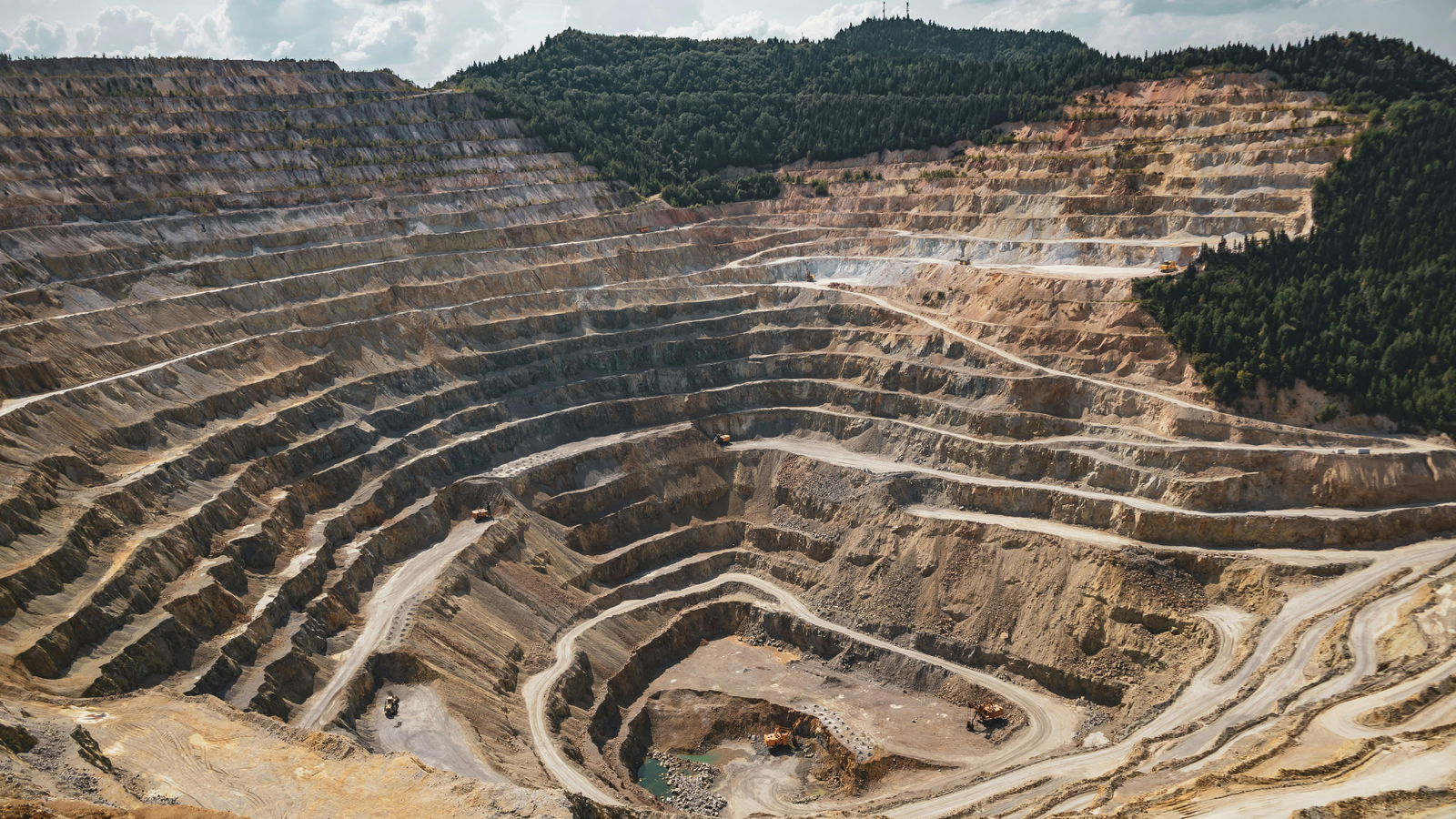
The featured photograph is for representation only.
