AIDAA seeks resource adequacy reforms, sees Rs 2.27 lakh crore savings
The All India DISCOMs Association (AIDAA) has called for a major overhaul of India’s resource adequacy planning framework, stating that more granular and system-optimised planning could deliver savings of up to Rs 2.27 lakh crore through higher renewable energy integration.
In a position paper, AIDAA outlined a set of recommendations covering demand forecasting, renewable energy planning, procurement reforms and resource optimisation. The association said the proposed changes could help ensure reliable power supply while reducing overall system costs.
Growing focus on resource adequacy
Resource Adequacy (RA) was formally incorporated into the Electricity Rules in 2022, with the Ministry of Power issuing detailed guidelines in June 2023. The framework aims to ensure that new generation capacity, energy storage systems and other flexible resources are deployed to reliably meet future demand at optimal cost.
The Forum of Regulators (FOR) released its Report and Model Regulations on the RA Framework in June 2023, highlighting the role of resource adequacy in supporting renewable energy integration while maintaining grid reliability.
The planning framework was further strengthened with the Central Electricity Authority’s (CEA) STELLAR model, released in 2025, which optimises generation, transmission, storage and demand flexibility on a least-cost basis. The Draft National Electricity Policy, 2026 also contains a dedicated section on resource adequacy.
Need for granular planning
According to AIDAA, current planning approaches rely on “average seasonal day” assumptions that smooth out intra-day demand and renewable energy variations, making it difficult to capture operational stress periods.
The association has recommended the use of representative days across seasons based on historical demand and renewable energy patterns. The proposed framework would account for ramping requirements, variability and operational constraints while incorporating explicit reserve requirements.
These include Secondary Reserve Ancillary Service (SRAS) equal to 2% of demand plus 3% of renewable energy generation, and Tertiary Reserve Ancillary Service (TRAS) as per the Grid India trajectory.
AIDAA stated that resource adequacy involves planning generation and transmission resources to reliably meet projected demand while maintaining specified reliability standards and achieving an optimal generation mix.
Economic case for renewables
AIDAA compared a Business As Usual (BAU) scenario with a “Full RE” scenario and found that greater renewable energy integration could reduce system costs by approximately Rs 2.27 lakh crore.
Under the BAU scenario, coal capital expenditure was assumed at Rs 11.34 crore/MW in line with CEA estimates, while renewable energy additions were capped based on CEA reports. In the Full RE scenario, coal capital expenditure was assumed at around Rs 14 crore/MW based on recent bid discoveries, renewable energy addition limits were relaxed by 50%, and wind capital expenditure was reduced by around 15% to Rs 5.8 crore/MW by 2035 from about Rs 6.8 crore/MW.
The association said the findings support the case for relaxing renewable energy deployment restrictions where resource availability and grid integration conditions permit.
Key recommendations
AIDAA has proposed five major reforms to strengthen the resource adequacy framework.
The first recommendation is the adoption of granular, dynamic and scenario-based demand forecasting by distribution companies to better align resource planning with actual consumption patterns.
Second, the association has recommended that the national Renewable Consumption Obligation (RCO) trajectory should emerge from state-wise least-cost resource adequacy plans. It endorsed the state-specific approach proposed in the FOR report released in November 2025.
Third, AIDAA has called for policy support mechanisms that are power system-oriented rather than technology-specific to improve overall system outcomes.
Fourth, it has proposed reforms in power procurement and dispatch practices, including restructuring Power Purchase Agreements (PPAs) to incorporate price signals aligned with system requirements and risk-sharing mechanisms that encourage innovation.
Fifth, the association has recommended measures to protect discoms from the financial impact of project delays. These include ring-fencing Coal India and force majeure provisions in cases where the commercial operation date (COD) is delayed by developers, along with providing deemed RCO benefits to discoms.
Balancing the generation mix
The position paper highlighted the importance of maintaining a diversified generation portfolio as renewable energy capacity expands.
According to AIDAA, renewable energy accounts for 38.3% of India’s total installed capacity, with wind and solar representing 49% of renewable capacity. In comparison, renewable energy accounts for 34% of installed capacity in the United States, 54.5% in China and 64.8% in Germany. Wind and solar account for 86.4%, 58% and 81% of renewable capacity in those countries, respectively.
The association said these trends underline the need to continue expanding renewable energy while ensuring adequate balancing resources are available to maintain grid reliability.
Policy implications
AIDAA said its recommendations could help shape the final policy framework as consultations continue on the Draft National Electricity Policy, 2026.
The association noted that the September 2025 notification allowing fungibility in Renewable Consumption Obligations has provided additional flexibility, but argued that further reforms are required to align the regulatory framework with evolving system requirements and operational realities.
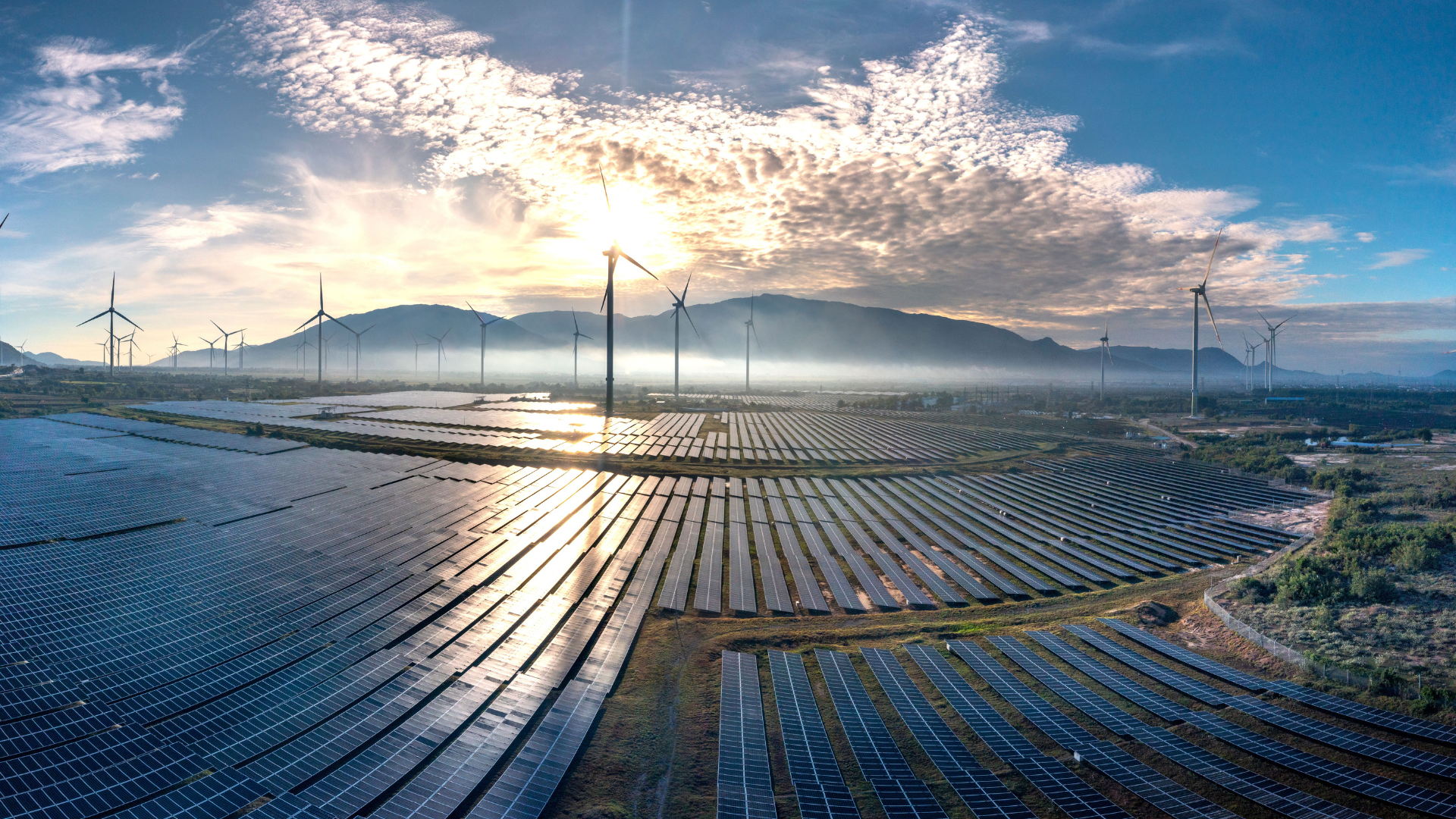
The featured photograph is for representation only.