ADB launches $70 billion grid and digital connectivity plan
The Asian Development Bank (ADB) has launched new energy and digital infrastructure initiatives worth $70 billion to be implemented by 2035. The programme aims to connect regional power grids, expand cross-border electricity trade, and strengthen broadband infrastructure across Asia and the Pacific. The announcement was made by ADB President Masato Kanda at the 59th Annual Meeting of the Board of Governors in Samarkand, Uzbekistan.
The initiative allocates $50 billion for the Pan-Asia Power Grid and $20 billion for the Asia-Pacific Digital Highway. The power grid programme will expand and modernise transmission systems, support grid integration, and facilitate cross-border electricity trade. It targets integration of about 20 GW of renewable energy across borders and development of around 22,000 circuit-km of transmission lines.
ADB estimates the initiative will improve energy access for about 200 million people, reduce regional power sector emissions by about 15%, and create approximately 840,000 jobs. The programme will prioritise strengthening domestic transmission systems before advancing subregional and regional grid integration. It will also support renewable energy export projects, regional renewable hubs, hybrid generation-storage systems, and grid digitalisation.
The plan builds on existing regional cooperation frameworks, including the South Asia Subregional Economic Cooperation (SASEC), the Bay of Bengal Initiative for Multi-Sectoral Technical and Economic Cooperation (BIMSTEC), the ASEAN Power Grid, and the Central Asia Regional Economic Cooperation Energy Strategy 2030. Bangladesh is expected to play a role in linking South Asia and Southeast Asia, particularly in cross-border grid development.
The Asia-Pacific Digital Highway will mobilise $20 billion to develop digital corridors, fibre and satellite connectivity, and regional data infrastructure to support AI-ready economies.
ADB also highlighted ongoing financial support measures to help developing member countries manage economic impacts linked to the Middle East conflict, including trade finance, budget support, and resilience-focused funding tools.
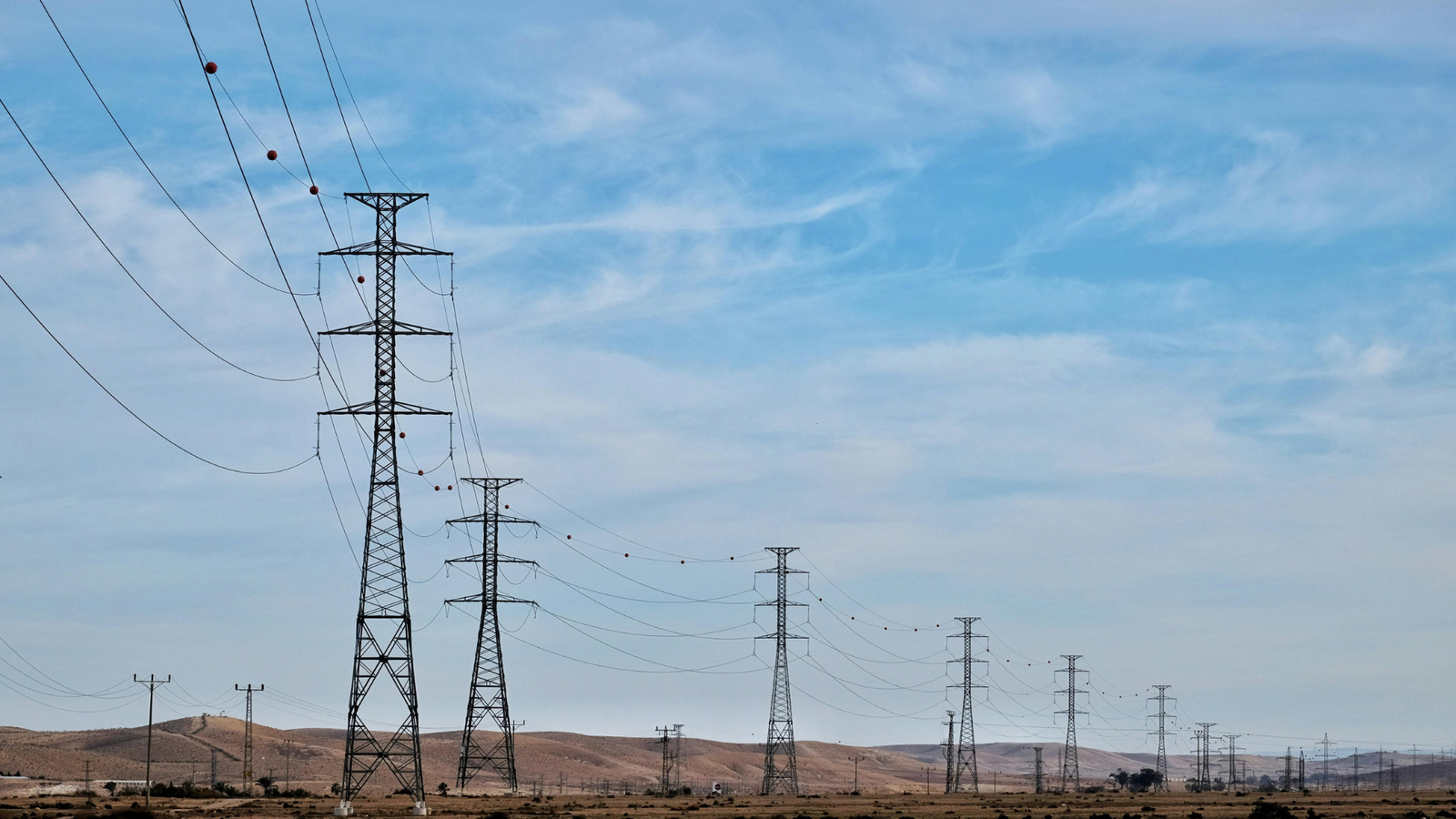
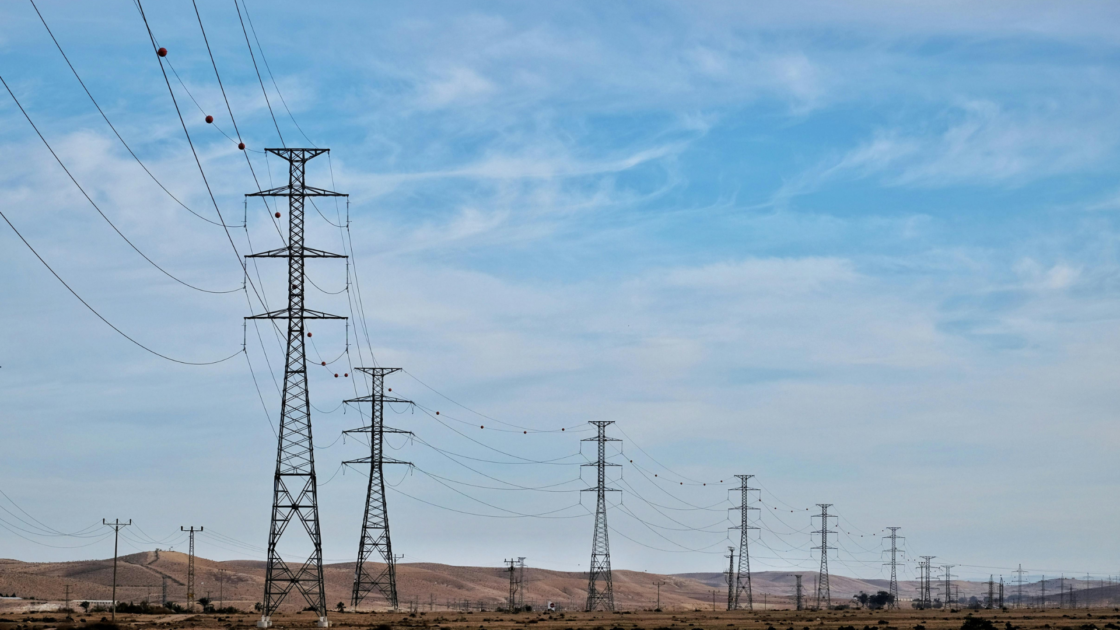
The featured photograph is for representation only.