CEA proposes new ramping rules to cut stress on thermal power plants
The Central Electricity Authority (CEA) has released a report proposing changes to the ramp rate compliance framework and scheduling methodology for coal-based thermal power plants as increasing renewable energy integration creates greater flexibility requirements for conventional generators. The report follows consultations with NTPC, Grid-India, BHEL, DVC, RVUNL, Adani Power and other industry participants, and examines the operational and commercial difficulties thermal generators face while meeting prescribed ramping requirements.
A key concern identified by the consultations is the mismatch between scheduled and actual generation during ramping. Generators can incur Deviation Settlement Mechanism (DSM) charges even when their units are operating within their technical capability. The report also notes that generators often use ramp rates higher than the recommended level to compensate for delays in boiler response and stabilisation, increasing mechanical stress on equipment. Continuous ramping across successive time blocks, without adequate periods for stabilisation, can further affect plant lifespan.
Ramping stress
The consultations found that achieving an average ramp rate of 1% per minute over a 15-minute block can require generators to ramp at 2.5% to 3% per minute during the active ramping phase. According to the report, this is technically undesirable because it places additional stress on boiler and turbine components and increases the risk of tube leakage and other equipment failures.
The report also highlights the impact of frequent cyclic scheduling patterns, including V-type, W-type and M-type trajectories. Repeated changes in generation under these trajectories impose thermal and mechanical stresses on generating equipment, adding to the operational challenges associated with increased cycling of coal-based units.
Scheduling changes
To address these issues, the CEA has proposed introducing a “ramping block” concept under which the target load would be achieved at the end of the block. Generation during the ramping block would be approximately 50% less or more than the scheduled generation, while a factor of 0.5 would be multiplied with schedule generation during ramping to avoid DSM penalties.
The report also recommends avoiding consecutive ramp-up and ramp-down operations on the same generating units. Instead of assigning ramping requirements strictly according to merit order, ramping schedules should be rotated among a pool of units or plants. Stable-load stabilisation blocks should also be introduced between ramping blocks to provide units with sufficient time to stabilise.
For fine grid balancing, the report recommends greater use of hydro, gas, pumped storage and battery energy storage systems rather than relying primarily on the thermal fleet. The approach is intended to reduce the need for frequent and intensive ramping of coal-based generating units.
Control tuning
The CEA has recommended that utilities adopt proper control system tuning to achieve average ramp rates of 1% per minute in the 55%-70% load range. This would result in a maximum machine ramp rate of 2% per minute, with proportionate adjustments to be made for other load ranges.
The report also calls for modifications to the regulatory framework to give effect to its recommendations. In addition, it proposes a pilot study on mill scheduler implementation to facilitate single ramp commands across multiple blocks.
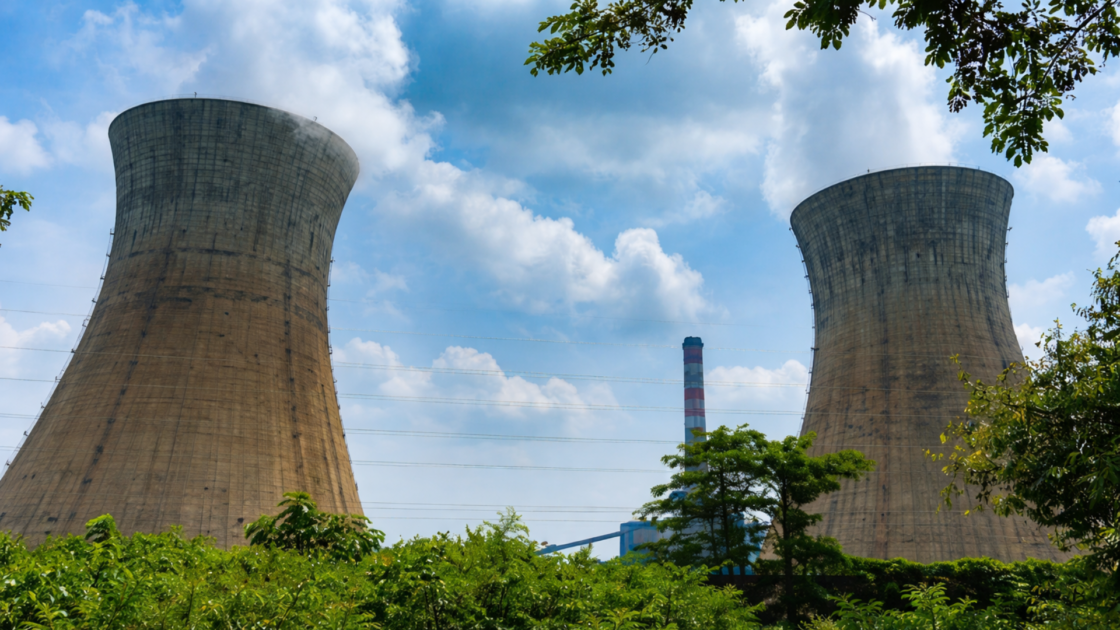
The featured photograph is for representation only.