Tamil Nadu targets 50% renewable power share by 2031
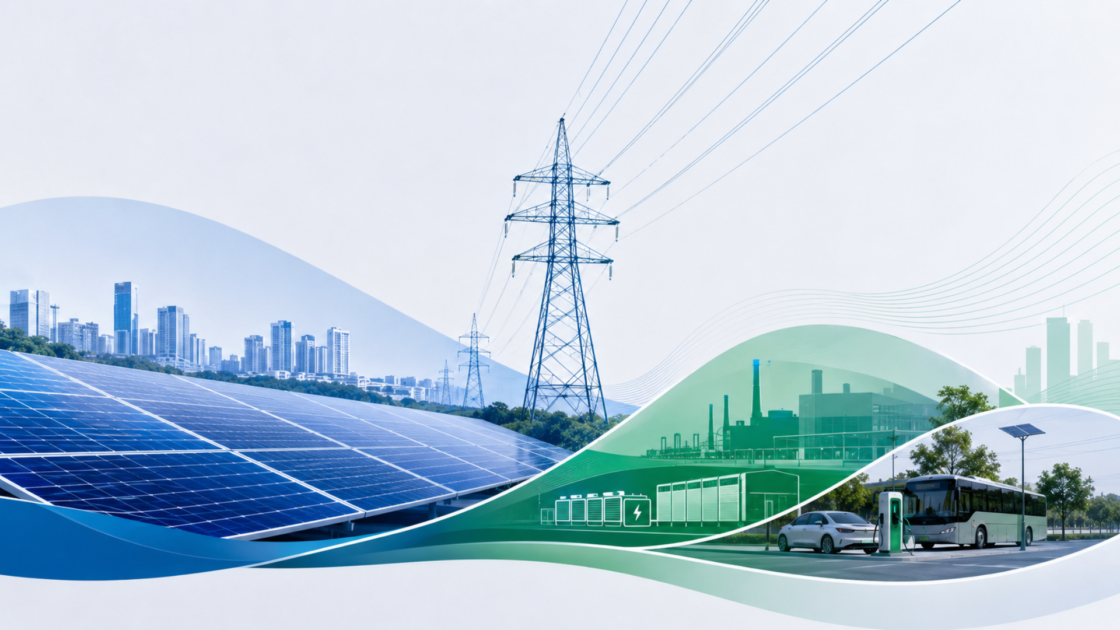
Tamil Nadu has set a target of raising the share of renewable energy in its power mix to 50% by 2031, while expanding generation capacity and strengthening transmission and distribution infrastructure to meet rising electricity demand from industry, agriculture and transport.
As of July 1, 2026, the state had 46,846 MW of installed power capacity. Renewable sources, including hydro, wind, solar, biomass and co-generation, accounted for 28,348 MW, or 60.5%, while conventional sources accounted for the remaining 18,498 MW.
The state’s roadmap for 2026-27 envisages continued additions through utility-scale solar and wind projects, battery energy storage systems (BESS) and feeder solarisation. The southern districts are expected to remain a focus because of their renewable energy potential.
Hydropower
Tamil Nadu currently operates 47 hydropower stations with a combined capacity of 2,325.90 MW. The generation target for 2026-27 has been set at 4,776 million units, with an average station availability target of more than 80%. Renovation works at the Moyar and Kodayar hydropower stations are expected to add 12 MW of capacity to the grid.
The state also plans to expand bagasse-based co-generation. Twelve plants with a combined capacity of 183 MW are planned, of which seven plants totalling 108 MW have already been commissioned.
Rooftop solar
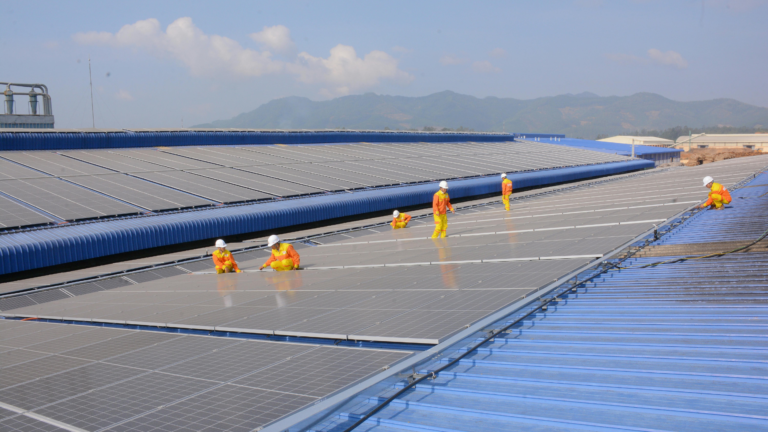
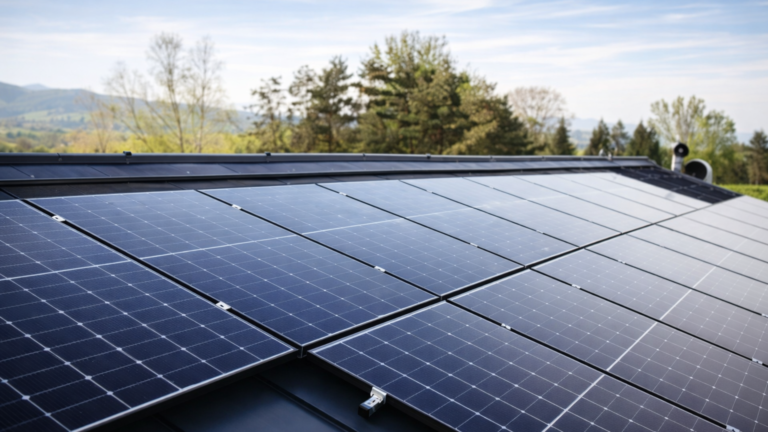
Under the PM Surya Char programme, the Tamil Nadu Generation and Distribution Corporation (TNGECL) has initiated a programme to use vacant rooftops of government buildings for solar generation under the Renewable Energy Service Company (Resco) model.
A tender has been floated for 20 MW of grid-connected rooftop solar projects across Chennai, Chengalpet, Kanchipuram and Tiruvallur districts.
Electric mobility
Tamil Nadu is targeting 20,000 electric vehicle (EV) charging stations by 2031, with deployment prioritised along corridors connecting major cities.
As of April 2026, the state had 5.50 lakh registered electric vehicles and 2,425 operational charging stations. Feasibility studies have been undertaken at 528 locations under the PM e-Drive scheme.
The roadmap proposes a 50% capital subsidy, capped at Rs 50,000, for installing EV charging facilities in apartment complexes. A dedicated ‘TN EV’ mobile application has also been developed to help users locate charging stations and make payments.
Grid services
The roadmap includes measures to improve electricity supply and consumer services. These include daily public disclosure of power outages, deployment of 125 fuse-off call vehicles and 77 additional fuse-off call centres, and the addition of seven breakdown service teams. A WhatsApp chatbot has also been proposed for complaint registration and real-time tracking.
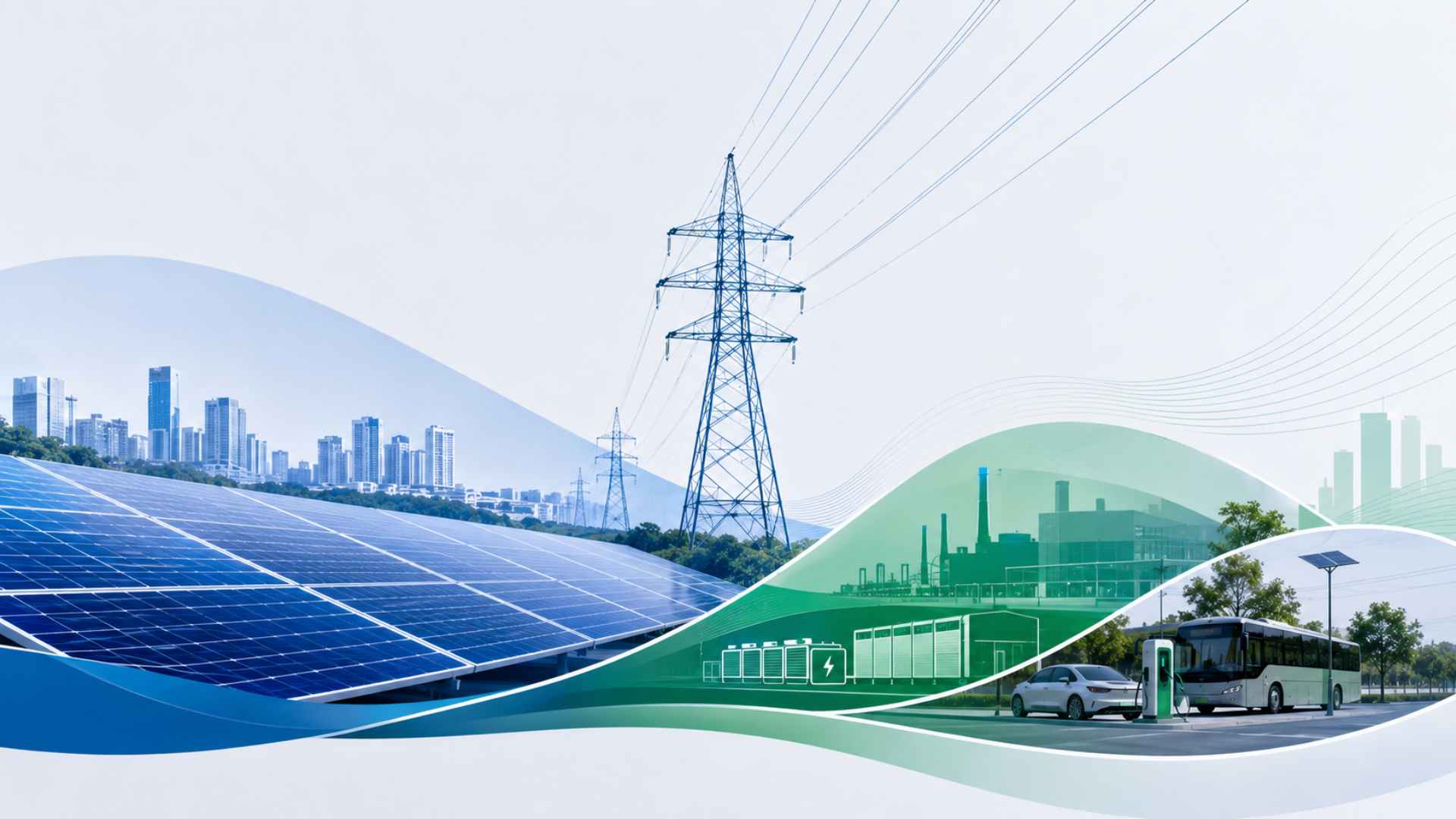
The state’s power sector roadmap combines continued conventional generation with accelerated renewable capacity additions, energy storage and upgrades to distribution infrastructure. The approach is aimed at accommodating rising electricity demand while increasing the role of renewable energy in Tamil Nadu’s power system.
The featured photograph is for representation only.