Exide begins lithium-ion cell sample supplies, targets FY27 commercial revenue
Exide Industries Limited has started supplying customer samples from its lithium-ion cell manufacturing facility in Bengaluru and expects the business to begin generating commercial revenue during the current financial year. The company said the first phase of its advanced chemistry cell manufacturing project has been fully installed and is moving towards commercial operations, while plans are already in place to double production capacity as demand grows.
Management said Exide’s decision to secure technology licences and manufacturing equipment before China imposed export restrictions on battery technology and equipment has provided the company with a strategic advantage as India’s advanced chemistry cell manufacturing ecosystem evolves.
Manufacturing
The Phase 1 facility has an installed manufacturing capacity of 6 GWh across Nickel Manganese Cobalt (NCM) and Lithium Iron Phosphate (LFP) cell chemistries. Exide said all four production lines have been installed and the associated utilities are fully operational.
Managing Director and CEO Mr. Avik Roy said the company completed its technology partnerships and factory installation before China’s export restrictions came into effect.
“We are one of those lucky ones that have completed this all tech tie-up as well as setting up a factory before these embargoes started coming in,” Mr. Roy said.
He said Exide intentionally installed commercial production lines before setting up a pilot line, unlike several competitors that followed the opposite approach. According to the company, this has reduced the risk of delays in procuring production equipment under the new export control regime.
As of July 31, 2026, Exide had invested Rs 4,902 crore in its subsidiary, Exide Energy Solutions Limited. The Board has also approved a capital expenditure of Rs 1,400 crore for the current financial year, including Rs 100 crore invested in July. The company plans to expand manufacturing capacity from 6 GWh to 12 GWh in line with market demand.
Commercial rollout
Exide has started supplying customer samples from its first NCM cylindrical cell production line. It is also providing samples from the LFP prismatic cell line for three-wheeler and telecom applications.
The company expects plant utilisation to reach 25% to 30% during the first year of commercial operations. Management said the LFP line is expected to ramp up faster because customer validation cycles are shorter than those for other applications.
Mr. Roy said the company sees a significant opportunity in the three-wheeler battery segment, where around 70% to 75% of demand comes from the aftermarket retrofitment business. He said Exide intends to leverage its long-established dealer and distribution network, originally built for its lead-acid battery business, to serve the lithium-ion replacement market.
“We are only now shifting from lead acid to lithium,” Mr. Roy noted, adding that the company is leveraging its existing sales channel rather than creating a new distribution network.
OEM engagement
Exide said it is working with three major original equipment manufacturers (OEMs) that together account for around 80% of India’s EV volume. Homologation activities are underway, although the company expects initial commercial supplies to represent only a portion of customers’ overall battery requirements.
The company also reported increasing engagement with passenger vehicle manufacturers, with one to two major four-wheeler OEMs actively evaluating its products. Exide expects to commission its fourth LFP production line, dedicated to four-wheeler applications, towards the end of the current financial year.
Localisation
The company currently sources electrolyte and other critical materials through the supply chains of its technology partners. At the same time, it is conducting pilot programmes with domestic suppliers, with electrolyte expected to become the first component to be localised.
Exide aims to localise 50% to 60% of its bill of materials over the next two to three years, subject to the development of India’s upstream battery ecosystem, including refining capacity and domestic production of cathode and anode materials.
To strengthen its technology capabilities, the company has established a pilot line at its Bengaluru facility and deployed more than 100 R&D engineers to support future cell development.
Technology
Management said Exide has licensed four to five cell products from its technology partner while simultaneously building in-house capabilities to reduce long-term dependence on external technology transfers.
The pilot line is expected to become operational by the end of calendar year 2026 and will support the development of future cell technologies.
“We have about 100-plus R&D engineers in Bangalore right now,” Mr. Roy said. “In case in future, we don’t get technology licenses or the Chinese government doesn’t allow anybody to give technology licenses, at least these 4, 5 products will keep on manufacturing and parallelly, we’ll develop our own know-how.”
Lead-acid business
Exide’s lead-acid battery business reported double-digit growth during Q1 FY27. EBITDA increased 19.5% year-on-year to Rs 655 crore, while EBITDA margin expanded by 20 basis points to 12.4%, supported by higher revenue, cost control initiatives and supply chain efficiencies.
The company’s solar business recorded its highest-ever quarterly revenue, exceeding Rs 400 crore. Exide said it remains debt-free with healthy operating cash flows and plans to invest around Rs 500 crore annually in its lead-acid business to expand manufacturing capacity and increase automation.
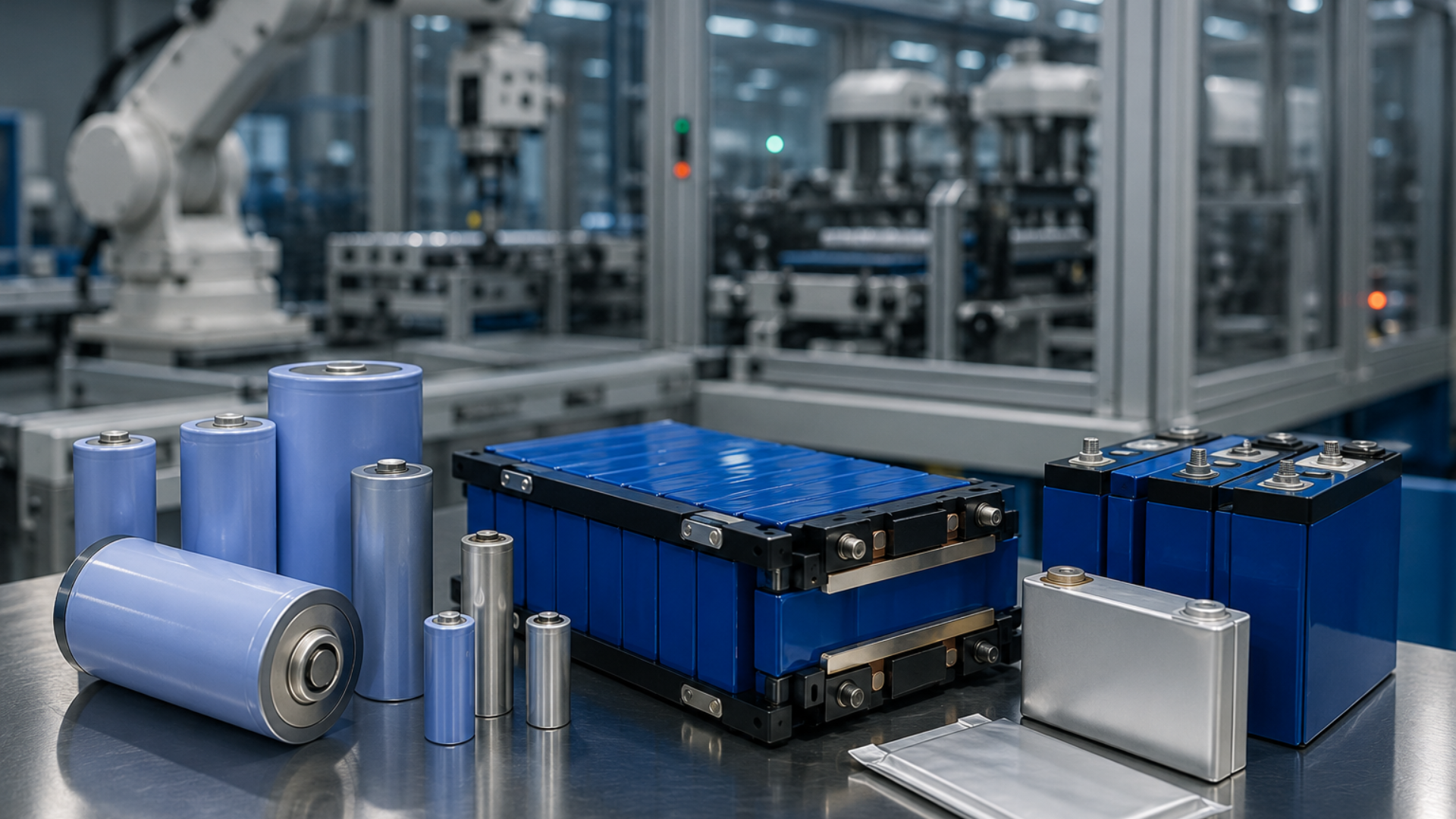
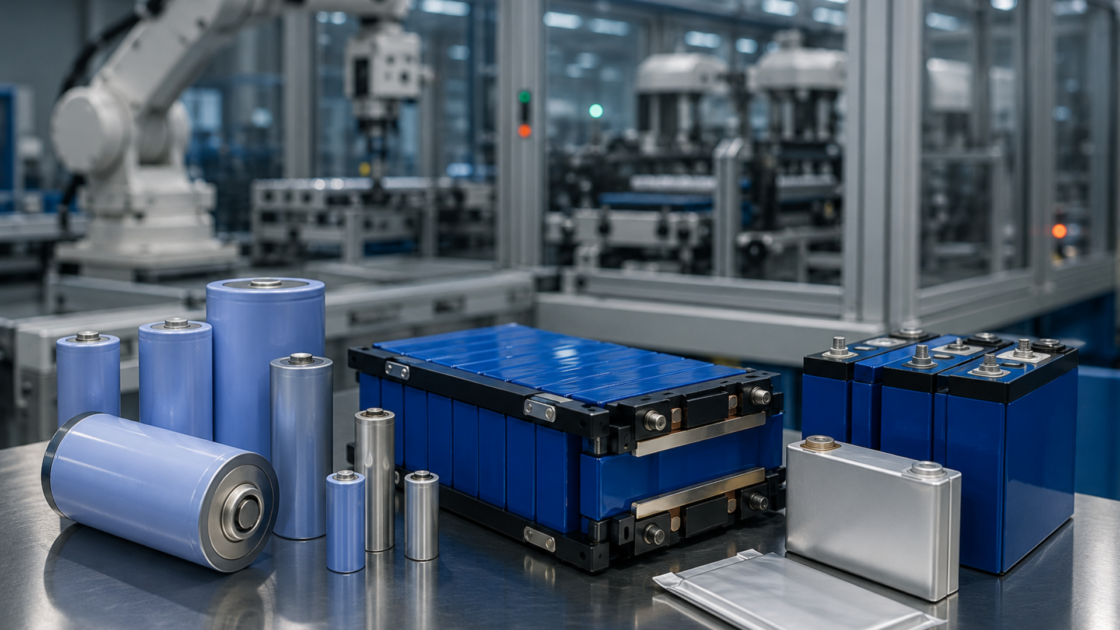
The featured photograph is for representation only.